
Fractional HR is being built one practitioner at a time
- Josephine Tan
- Topics: Features, Home Page - Features, Hong Kong, Leadership
Hong Kong is home to more companies with parent companies outside the city than ever before. Government figures show there were 11,070 such companies in 2025, a record and an 11% rise on the year before. The mix has shifted, too. Firms from the Chinese Mainland account for 3,090 of them, roughly twice the 1,550 from the US.
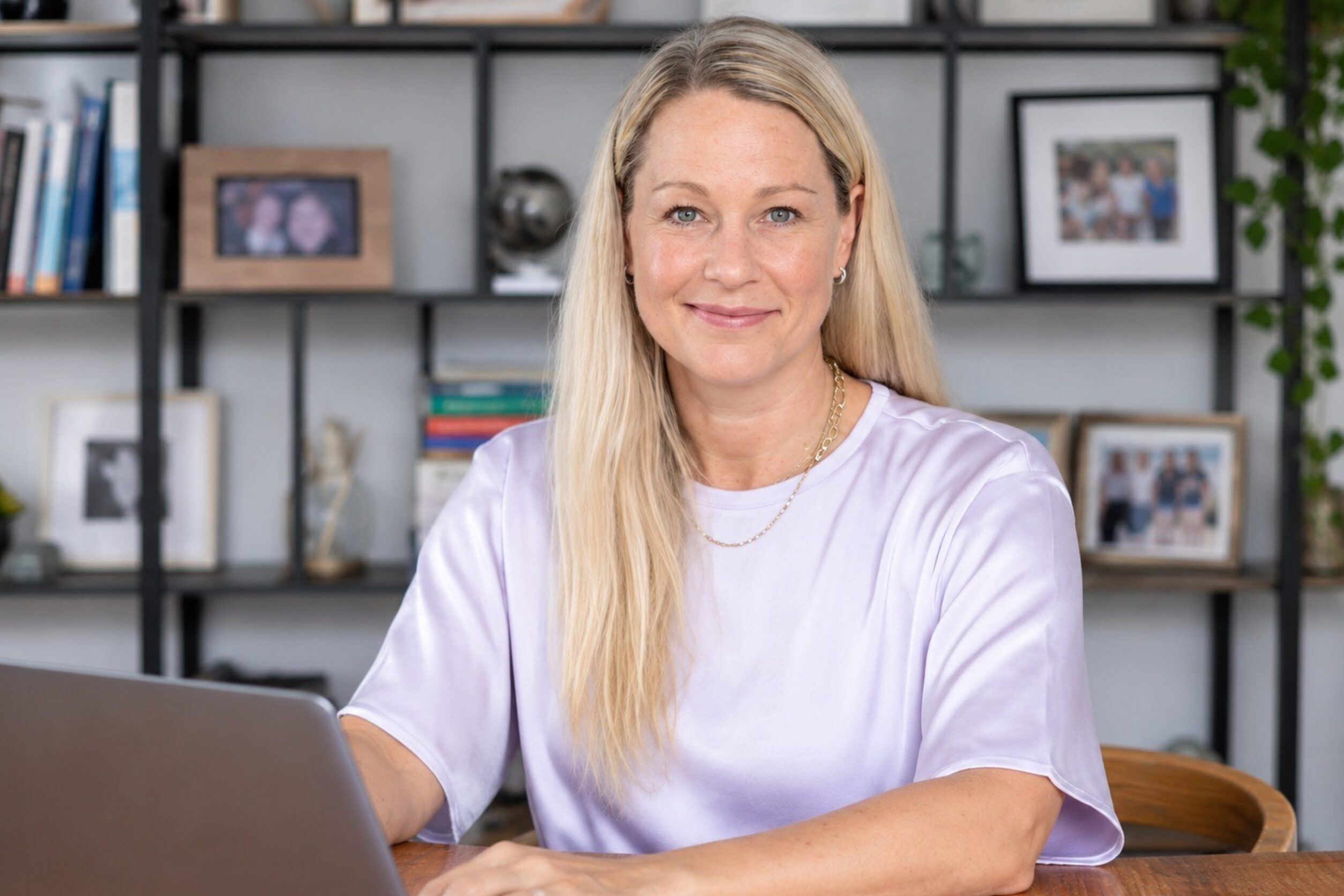
Gwen Lockington, Founder and Principal of Lockington People and Advisory, sees a gap behind those numbers. “Much international regional leadership has moved away,” she tells HRM Asia. “Many companies operate without any senior HR presence.”
One way to fill that gap is fractional HR leadership, in which experienced HR executives work with several organisations on a part-time basis. Lockington, formerly Head of HR for Asia and India at the National Basketball Association (NBA), has seen firsthand how the market for it is taking shape.
“The market is being built practitioner by practitioner,” she says.
In Hong Kong, she sees several barriers. “Many local SMEs and family businesses view HR purely as payroll and benefits administration,” she explains. “Owner-led businesses often value loyalty and hesitate to share sensitive matters with an external advisor who also works with competitors.”
Because the model is new, it is also widely misunderstood. “Because fractional leadership is new, many organisations misunderstand what it is – whether consulting, outsourcing, or something else.”
For Lockington, wider adoption will come down to trust. “Fractional work will become mainstream when referrals to Hong Kong CEOs come from trusted sources,” she says. “Dedicated businesses connecting fractional leaders with companies are emerging, but it remains early days.”
The turning point
So, when does a business need senior HR leadership? Headcount alone, Lockington says, is not the measure.
“Timing depends on an organisation’s ambitions and complexity, not headcount alone.”
Some founders, she says, wake up one day running a business of more than 100 employees with operations in several countries, a business they barely recognise. Founders and finance heads can end up spending excessive time on people issues, just as regulations shift.
In Hong Kong, those shifts include the abolition of the Mandatory Provident Fund (MPF) offsetting arrangement in May 2025. Employers can no longer use their mandatory contributions to the MPF, the city’s compulsory retirement scheme, to offset severance and long service payments for employment from that date onwards. In January 2026, the “468” rule lowered the working-hours threshold for continuous employment, bringing more employees within reach of statutory benefits.
“That turning point signals the need for senior HR leadership, bringing pattern recognition from across multiple leadership teams,” Lockington says.
When organisations wait too long, the problems build on one another.
“Problems compound as managers are promoted for technical skill rather than leadership, culture drifts by default, and HR approaches are set up in a vacuum, misaligned to the organisation culture,” she says. “Some organisations end up paying twice – the first time to keep costs low and just to get by, then a second time with an aligned approach.”
A bridge, not a stopgap
Lockington is clear about where the fractional model works and where it does not.
“Fractional HR works best as a bridge rather than a stopgap,” she says. Transactional tasks such as payroll and onboarding suit ongoing services. Leadership work, by contrast, requires clear problem statements and specific outcomes.
“Fractional engagements excel at building foundations, organisation design, advising CEOs, coaching leadership teams, preparing for due diligence, and designing permanent roles.”
Work that needs a consistent daily presence is another matter. Partnering with line managers every day, leading an inexperienced HR team or embedding culture, she says, does not suit a fractional model well.
Not every business will make the crossing to a full-time function.
“Some businesses will never justify a full-time senior hire,” Lockington says. “For them, fractional may be a long-term solution for advisory, coaching and design work, provided each engagement maintains clear outcomes and review points.”
Running a business, not just a function
The shift is also changing how senior HR professionals think about their own careers.
“With fewer senior corporate roles opening, more seasoned professionals will consider portfolio work,” Lockington says. But she cautions that the work requires a completely different skill set, and a change in mindset for in-house leaders.
READ MORE: Your untouchable leaders are costing more than you think
“Fractional work is running a business, including business development, pricing, and managing uneven income,” she says. “You must earn credibility in weeks without tenure, manage a high-context week across vastly different local and regional business cultures, and drive impact through the systems and leaders you work with for a confined period.”
The move has also tested her own expectations of the work.
“My romantic notion moving into fractional was that I would only work with people I admire, I would avoid late-night calls, skip misaligned global programmes, and not engage in low-value work,” she says. “Two years in, I consistently secure at least three of those four. Not bad.”
In the second part of this series, Lockington turns to management capability: why it remains a persistent gap, what gets lost when strong performers step up to lead, and what flatter structures and AI are asking of the managers who remain.