
Keep your best talent by building an inclusive culture
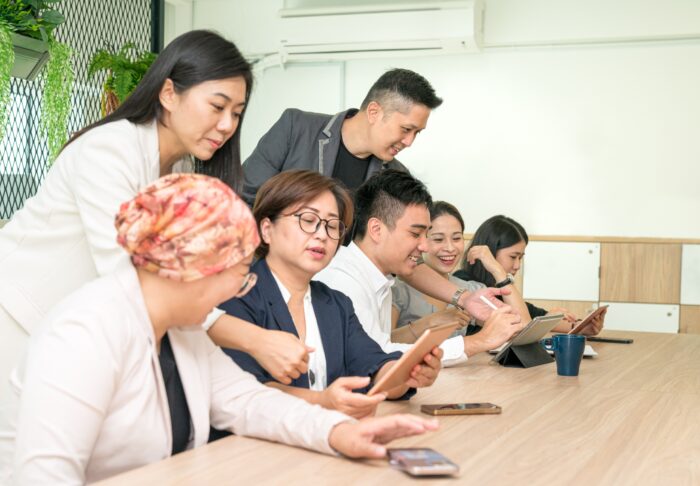
Underperformance on DEI could have an adverse impact on organisations when it comes to recruitment and retention.
How the pandemic has accelerated the shift from HR to HD

HR is pivoting to Human Development (HD) with stakeholder management becoming more paramount than just delivering profits.
Eliminating discrimination against female employees in the Philippines

A new bill strengthens the anti-discrimination provisions under the Labour Code of the Philippines to safeguard female employees.
Redesigning employee experience for the future of work

Mallory Loone, Co-Founder of Work Inspires, provides tips on how organisations can redesign the right employee experiences for their employees.
What CHROs can do to shape the world of work in 2023
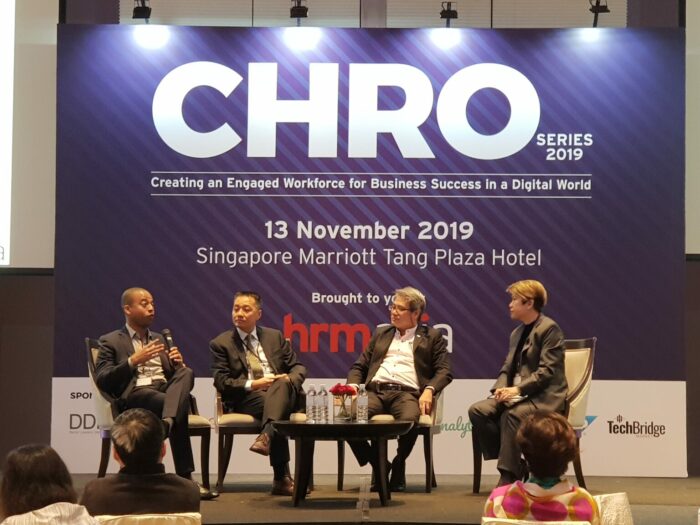
Taking place on December 1, the CHRO Series Singapore will discuss topics such as building a talent management strategy that embraces innovation.
More companies in Australia adopting flexible work arrangements

Offering flexibility at work is helping drive gender equality in Australia’s workplaces, says the Workplace Gender Equality Agency.
Why coaching is the most effective L&D tool for organisations today

Nick Goldberg, CEO of EZRA, suggests that the future of L&D is coaching, which is a more effective tool that training, mentoring, or consulting.
How female employees can gain the recognition they deserve

The World Economic Forum provides some tips for women to pitch ideas to management and claim credit for what they do in the workplace.
Addressing the health concerns of female employees in Australia

A number of unions are gearing up to campaign for both menstrual and menopause leave for female employees.
Organisations should take a people-first approach to attract talent

Ways to foster attractive workplaces include leveraging flexible work options to provide employees with more autonomy.
Men in Japan urged to lead change for workplace gender equality
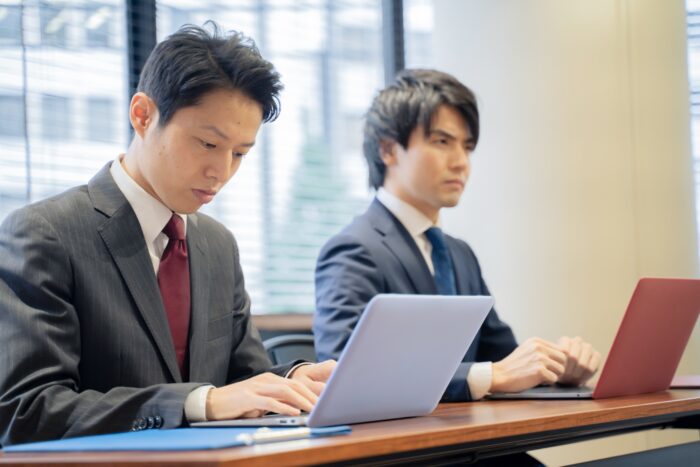
A project has been launched in Japan to encourage men to take the lead in eliminating gender disparities in workplaces.
More women in South Korea choosing to leave the workforce
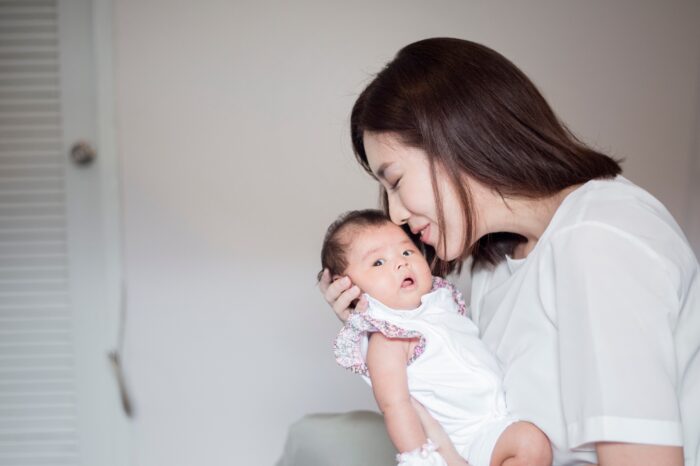
Childcare has been cited as the main reason why married women in the country choose to leave the workforce.
Why HR leadership is the key to organisational change

A change-ready culture driven by the behaviours and performance of leaders is pivotal to manage disruption and prepare employees for change.
South Korea priorities job creation for older jobseekers

Efforts are ongoing to create employment opportunities for South Korea’s elderly population, which is expected to reach 10 million by 2025.
Malaysia plans to increase female workforce participation
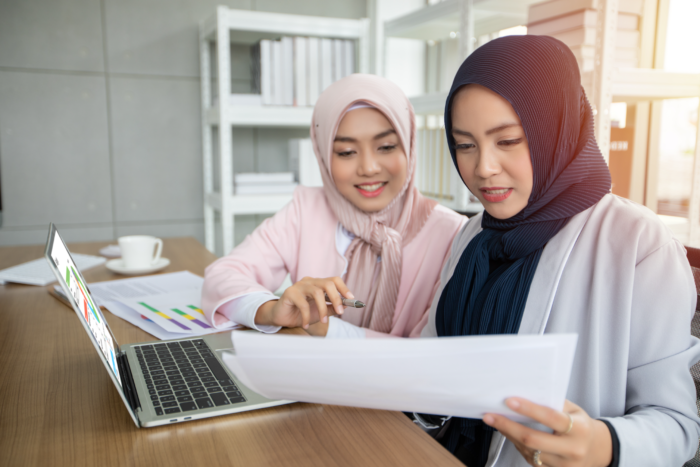
These include addressing wage inequality and providing more childcare support, as well as upskilling and reskilling opportunities.
SMEs in India are prioritising ESG for business growth

More SMEs in India are implementing ESG practices, but they face challenges such as uncertainty over how to measure the success of ESG projects.
Japan seeks more diversity in employment opportunities

The Japan Business Federation (Keidanren) is looking to end the negative image of mid-career hires by rephrasing commonly used employment terms.
Business in South Korea told to address workplace gender equality
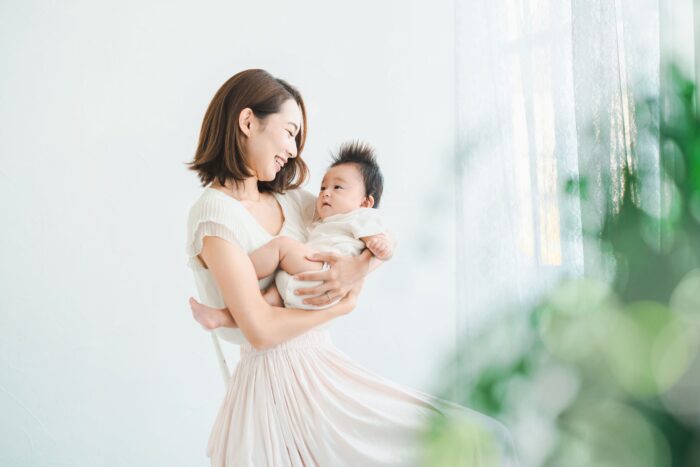
South Korea has the smallest share of parents who go on leave for their children among developed nations, even as the country’s workforce continues to shrink.
Experienced employees key part of workforce strategy in Hong Kong

About 44% of employers see an increased need to retain older employees in the workforce and expect this to be a key trend over the next five years.
Childcare the largest barrier to female workforce participation in Australia

Employers can offer the flexibility to work part-time hours as a means to increase female workforce participation.
More employment opportunities for workers with disabilities in Singapore

Interest in companies to hire workers with disabilities has risen by 30% since this August, driven largely by the service sectors.
Exploring flexible employment for retired workers in Singapore

To enable more older adults to continue to contribute to the economy, a mindset shift for employers is needed.
China doles out more support for female employees

A revised law, which comes into effect January 1 next year, forbids the sexual harassment of women and reduces barriers to career advancement.
Australia to ban wage secrecy clauses in job contracts

Such clauses have traditionally been used to stop co-workers from comparing their wage package and pushing for pay hikes.
Closing the gender gap with pro-female entrepreneurship policies

In addition to helping new enterprises grow, e-commerce could raise women’s participation in the workplace, said the World Bank.
Indonesia to improve job training for PWDs

The Social Affairs Ministry will be improving training for people with disabilities to widen their access to job opportunities or employment.
Majority of Chinese at retirement age want to remain employed

Among the reasons why senior workers wish to re-enter the workforce are self-esteem and financial pressure, according to a survey.
Australia signs off on workplace relations law

The new legislation is intended to support low-paid employees, particularly women, in negotiating better pay packages and working conditions.
Reimagining work: How CHROs are leading from the front
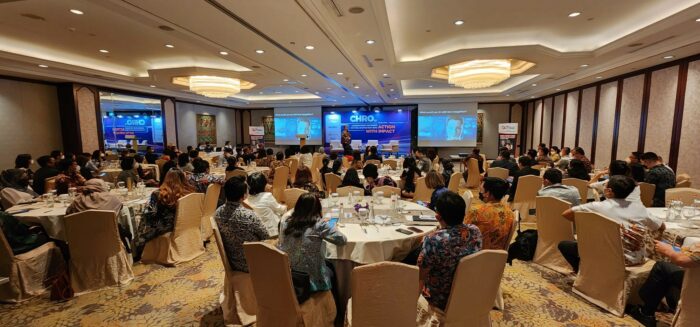
Organised by HRM Asia, the CHRO Series Indonesia is kicking off today at the Shangri-La Hotel in Indonesia.
Cambodia takes lead in women’s employment in ASEAN

Cambodia has 49 women working for every 100 employed individuals, a higher rate than Singapore, which has 47.