
The great AI-in-HR balancing act: Finding your organisation’s way

AI is reshaping HR, yet adoption remains inconsistent. HR leaders must balance innovation, risk, and compliance to unlock AI’s potential.
DBS to cut 4,000 contract and temporary roles as AI adoption grows

The bank will reduce up to 4,000 contract roles through natural attrition, with permanent staff unaffected.
Supercharging workforce agility: The AI advantage in upskilling

Building a future-ready workforce requires more than AI adoption—it demands agile upskilling strategies that drive resilience, innovation, and long-term success.
Singapore Budget 2025: Boosting workforce development and AI-driven innovation

Singapore Budget 2025 highlights AI and skills transformation, with expanded initiatives to upskill employees and boost workforce competitiveness.
More than half of employees in Hong Kong considering job change, Aon’s study reveals

Nearly 17% of employees in Hong Kong feel undervalued, with 63% considering a job change due to concerns over compensation and career growth.
Empowering people in the age of AI: Three essential skills for 2025

As AI integrates into workplaces, PwC’s Chief People Officer explores the skills needed for success and how AI is changing the game.
Hong Kong raises minimum wage to HK$42.10

Hong Kong’s statutory minimum wage will rise to HK$42.10 on Labour Day.
Singapore announces new funding measures to support workforce transformation

Singapore is ramping up workforce development efforts with expanded SkillsFuture training allowances, enhanced employer support, and leadership development initiatives.
How Asia’s mobile-first culture is reshaping workplace communication
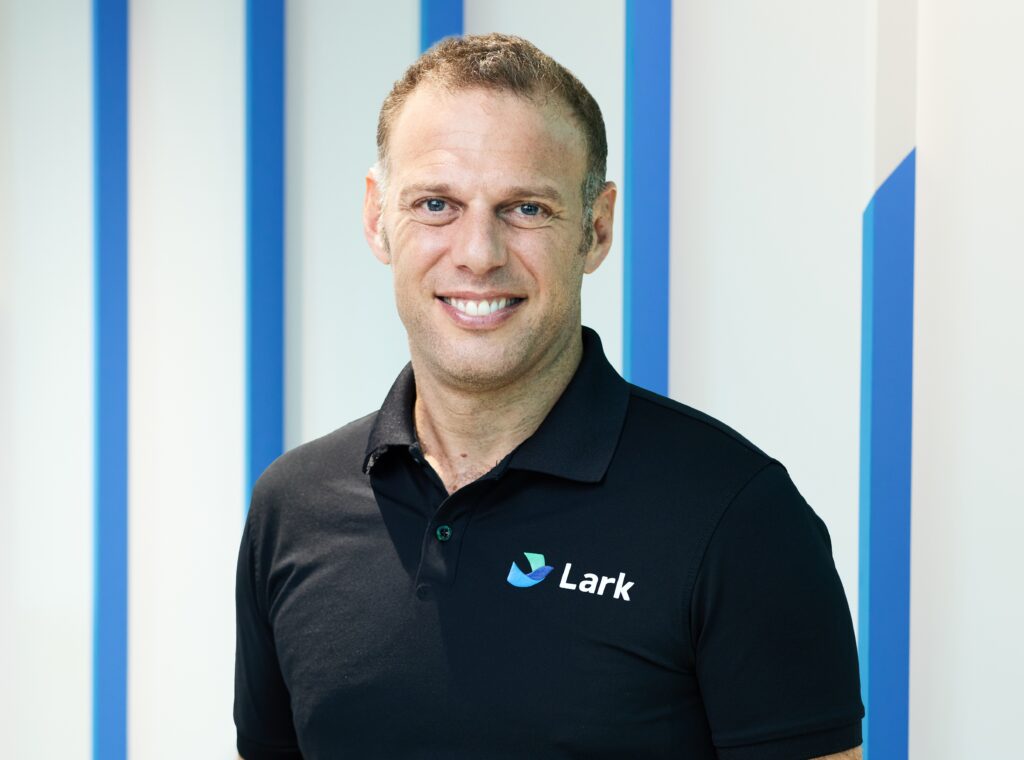
As digital transformation reshapes industries, Asia’s traditionally hierarchical workplaces must evolve to embrace mobile-first strategies that foster agility, transparency, and inclusivity.
The steward leader: How HR can drive purpose and profit in 2025 and beyond
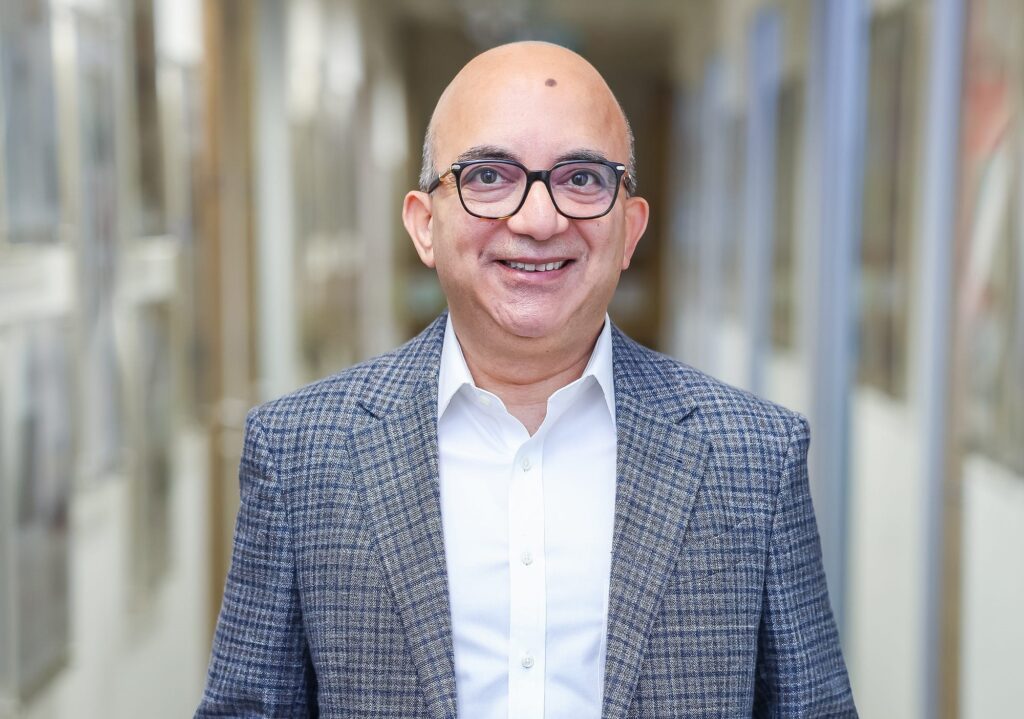
As work undergoes rapid transformation, HR leaders must rethink leadership. Enter Steward Leadership—a model bridging purpose, profit, and sustainability.
Technology is the key to employees’ wellbeing at today’s workplace
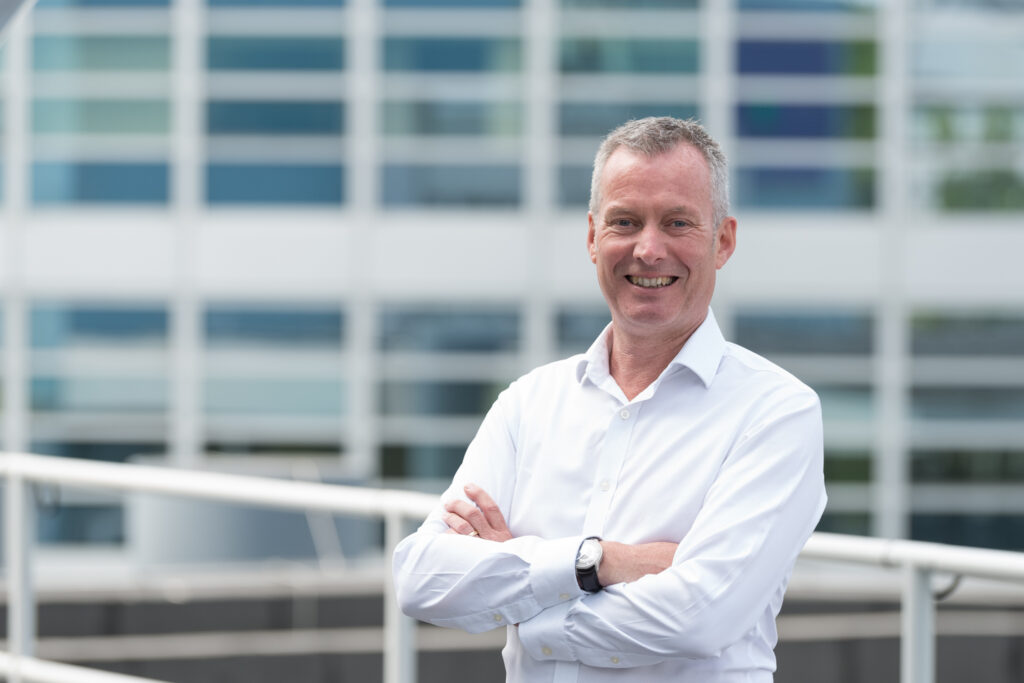
The magic (and productivity) happens when technology and wellbeing come together.
Paradox acquires Eqtble to enhance AI-powered talent acquisition with people analytics

Paradox’s AI assistant automated over 20 million interviews in 2024, and its acquisition of Eqtble aims to enhance data-driven HR decisions.
CEO turnover declines in Asia amid global leadership shake-up

Asia defied the global surge in CEO turnover in 2024 with leadership stability driven by succession planning and economic resilience.
Workday unveils AI workforce management system to govern digital labour
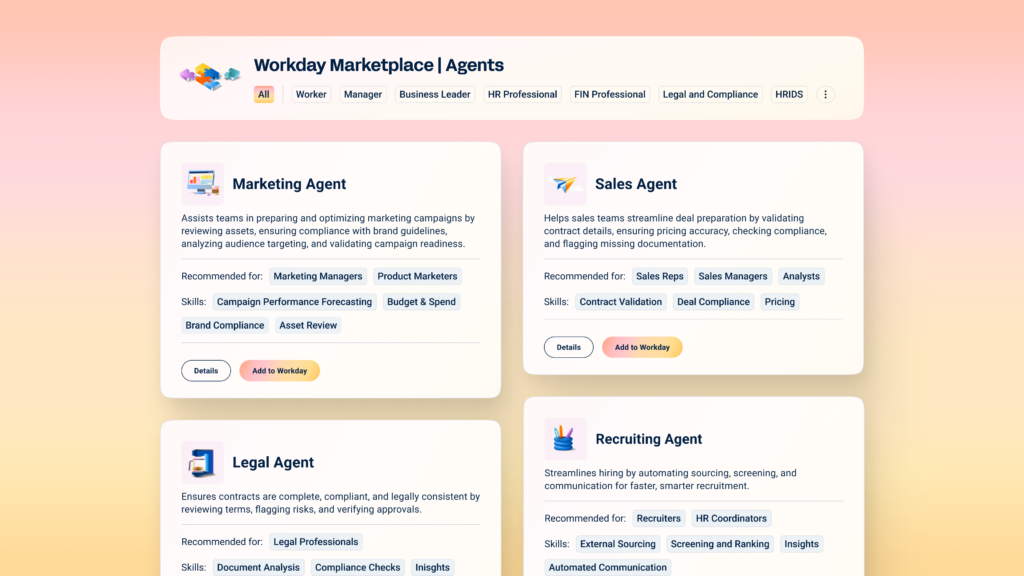
Workday introduces the Agent System of Record, enabling organisations to govern, optimise, and integrate AI agents into their workforce.
CHRO Vietnam: Equipping HR leaders for a transforming economy
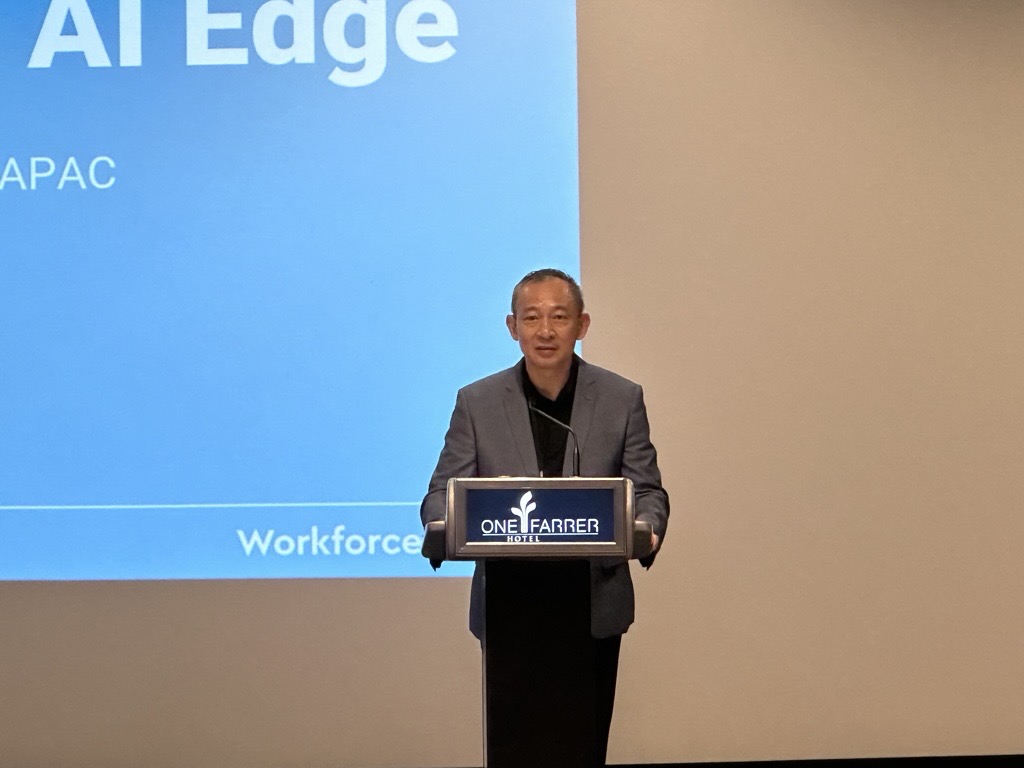
Join CHRO Vietnam 2025 to explore innovative HR strategies, AI-driven solutions, and talent development techniques to shape Vietnam’s future workforce.
Stop being nice, start being kind: Why real connection at work matters

Being nice to employees may have an undesired effect on morale and productivity. Instead, managers should look at kindness as a better path.
The untapped power of payroll data in Asia-Pacific

As organisations expand across Asia-Pacific, leveraging data-driven payroll insights becomes essential for success, as explored in HRM Asia and ADP’s upcoming webinar.
Employers in Singapore show strong readiness for flexible work arrangements, survey finds

Younger employees drive a strong shift towards flexible work, with larger firms embracing it strategically while smaller businesses face challenges.
Breaking the silence: Why migraines must be part of workplace inclusion strategies

Workplace inclusion must evolve to support invisible conditions like migraines, as AbbVie’s Peggy Wu underscores their widespread impact on employees.
Amazon and Accenture scale back DE&I efforts amid shifting corporate landscape
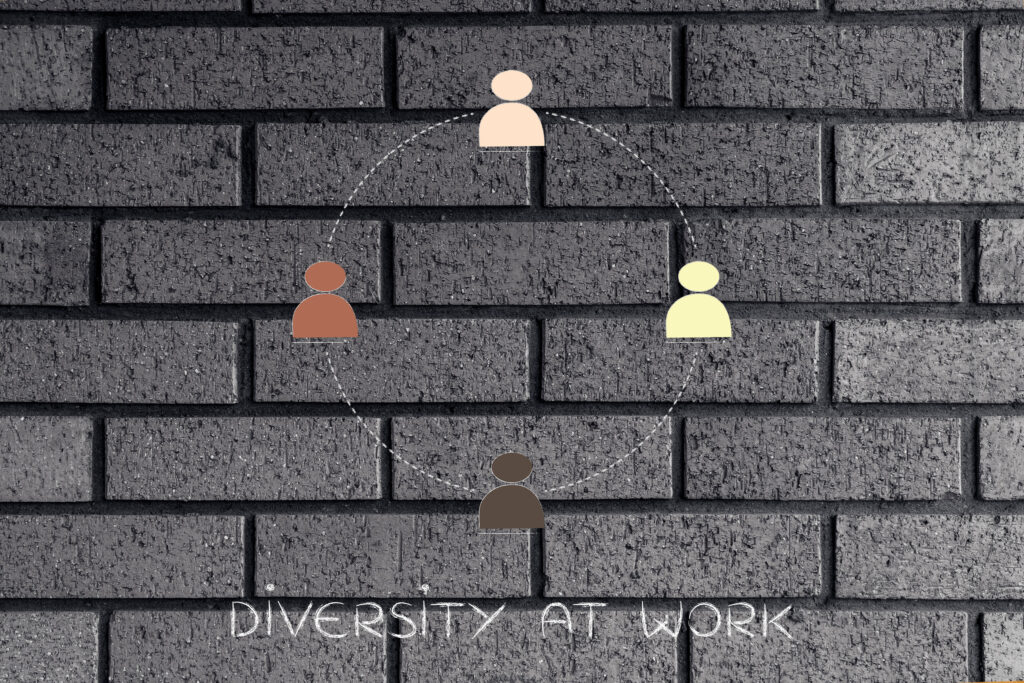
Amazon and Accenture are shifting DE&I strategies, integrating efforts into core business functions while scaling back standalone initiatives.
Is your skills strategy ready for the age of AI?

AI-powered skills strategies are transforming workforce agility, enabling organisations to adapt, grow, and thrive in an ever-changing landscape.
Flexible work conditions help overqualified employees achieve work-life balance

Overqualified employees thrive with flexible work arrangements, leading to better work-life balance and stronger family support, new research reveals.
Malaysia approves Non-Occupational Accident Scheme, expanding coverage to gig workers

The newly approved SKBBK scheme will provide 24/7 protection for workers, including gig and remote employees, covering accidents outside of work.
Vietnam tackles labour market modernisation
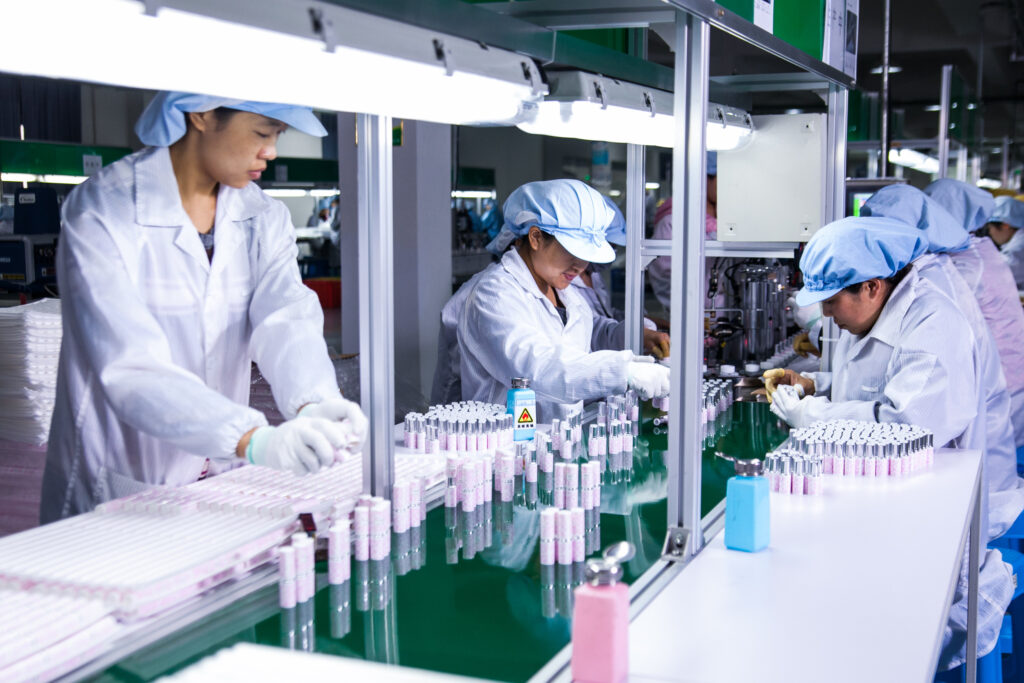
The country’s labour market grows amid reforms, tackling challenges to ensure sustainable workforce development.
The rising heat: A new challenge for South-East Asia’s workforce

Extreme heat affects more than physical health—it heightens mental stress, reduces focus, and increases workplace accidents across industries.
Singapore workplace bias declines, but gaps remain

Racial discrimination in Singapore workplaces has declined, but minority groups still report higher bias than their Chinese counterparts.
Indonesia focuses on workforce transformation to boost global competitiveness

Indonesia is addressing workforce challenges by prioritising upskilling and reskilling to equip employees with digital and industry-specific skills for future growth.
HR’s transformation takes centre stage at CHRO Philippines 2025
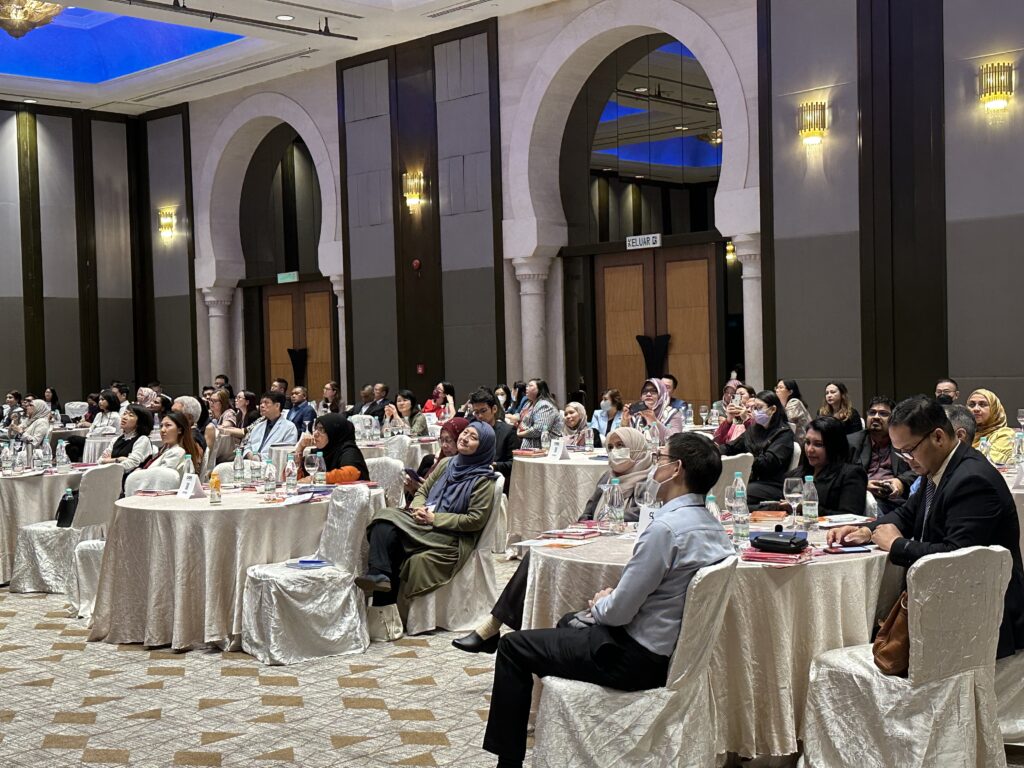
Gain cutting-edge HR insights and strategies at CHRO Philippines, empowering leaders to drive innovation and growth.
Japan’s smaller firms face wage hike hurdles

Small organisations in Japan face hurdles in meeting wage targets, threatening real wage growth amid persistent inflation.
New Zealand eases visa rules to attract digital nomads

New Zealand eases visa rules, inviting digital nomads to work remotely for up to 90 days to boost tourism and the economy.