
Personality traits of founders play a crucial role in start-up success

Start-up founders with distinct personalities are more likely to succeed, and diverse founding teams further increase the odds.
Indonesia boosts its workforce through vocational training revival

To enhance the country’s labour force, the government is focusing on faster, demand-driven, and inclusive skill development.
C-Suite leaders embrace remote hiring to overcome skills shortages

More C-Suite leaders are reporting a rise in hiring remote employees due to a lack of resources, resulting in a more varied, capable workforce.
The biggest risk to cybersecurity? Employee burnout

With the rise of employee burnout threatening to push out more IT knowledge employees, leaders must lead by example to manage the crisis.
Asia-Pacific gears up for green jobs in low-carbon economy shift

Amid a green job surge and skills shift, proactive measures are vital for Asia-Pacific’s low-carbon economy transition, ADB says.
National Skills Agreement seeks to boosts Australia’s workforce

With effect from January 2024, the National Skills Agreement will channel A$12.6 billion to expand access to quality training.
Malaysia government encourages private sector to raise salaries
Malaysia’s private sector, despite experiencing strong profits, is urged to mirror the government’s action and uplift employee salaries.
Should existing employees interview their potential managers?

Employees should not be on the interview panel choosing potential new managers and leaders due to inherent bias, says a Senior Leader at Amazon.
Hybrid work benefits acknowledged, but tech support lags

Strategic IT investments boost top-performing organisations, while AI reshapes customer and employee experiences.
Japan struggles to address work-life balance issues

Japan’s insufficient sleep crisis is linked to daytime fatigue, reduced focus, and severe conditions like depression and anxiety.
Budget 2024 looks to speed up job growth, increase salaries

Efforts to boost the labour market in Malaysia will see a six-pronged solution to help increase employment for women, amongst other initiatives.
South Korea sees a rise in job growth and a fall in unemployment
South Korea saw its employment rise for the second consecutive month this year, with a 1.1% increase in employment from the year before.
CHRO Indonesia 2023: Where HR meets innovation and sustainability

Organised by HRM Asia, the event gathers HR leaders in Indonesia to discuss how they can successfully navigate the future of HR in 2024 and beyond.
More proactive strategies needed to improve employee mental health

Mental health disorders are straining individuals, employers, and society, leading to absenteeism and unemployment, a new study has found.
Purpose versus pay: What factors more when choosing a job?

Despite people valuing both meaningful work and salary, there is only one winner when employees are made to choose one over the other.
Employers in Malaysia looking beyond academic credentials when hiring

Having a degree or diploma is no longer the defining factor for a job seeker to gain employment, says Malaysia’s Economy Minister.
Can technology help HR finally confront gender inequality?

While technology has a role to play in combating gender inequality, organisations can leverage on technology to create more effective strategies.
Malaysia aims to improve employee compensation through wage policy
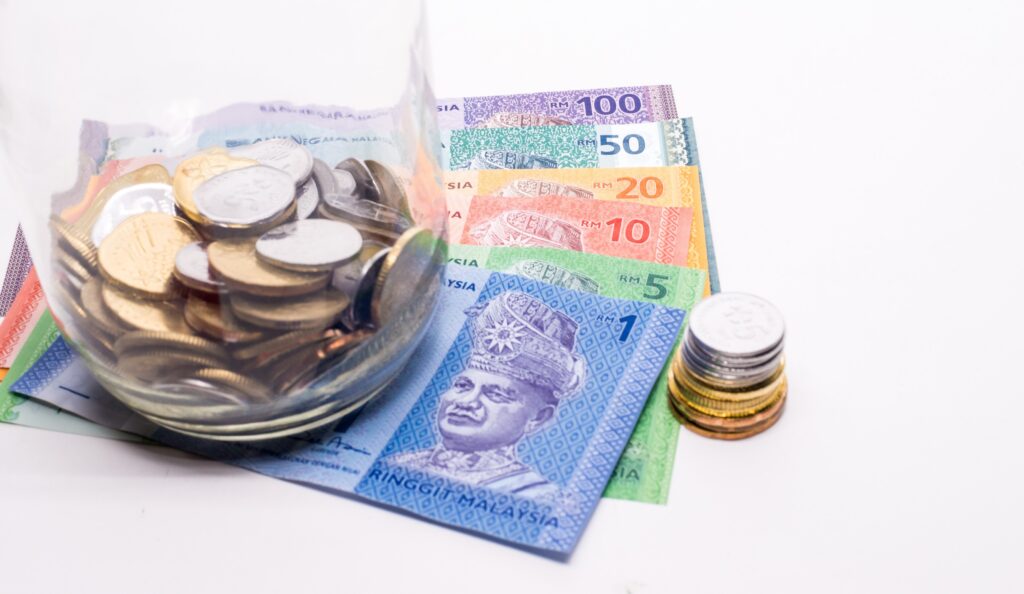
The progressive wage model will help drive employment and ensure renumeration improves for skilled employees, says Malaysia’s HR Minister.
Some employees in Japan reluctant to take leave even after encouragement

Deeply entrenched traditional beliefs in Japan that colleagues are inconvenienced are discouraging some employees from taking annual leave.
Placing employee wellbeing as a priority for leaders in Singapore

To shatter stigma and foster inclusion in the workplace, a campaign has been launched to make mental health a strategic priority.
Microsoft VP of HR: ‘It can’t go back to the way it used to be

Speaking at the HR Technology Conference, Microsoft’s Amy Coleman offers insights on building a flexible and inclusive workplace.
Listen to understand: How to manage a multi-generational workforce

To create a collaborative work culture that considers everyone’s needs, organisations must do more to understand their employees.
Why Malaysia is adopting a progressive wage policy

A progressive wage policy will ensure employees are fairly rewarded for their contributions, suggested Malaysia’s Economy Minister.
Why employees’ mental health should be a priority for all organisations

A medical professional provides insights on how employers can create a more supportive and inclusive work environment to address mental health needs.
Thailand’s contract employees demand equal working benefits
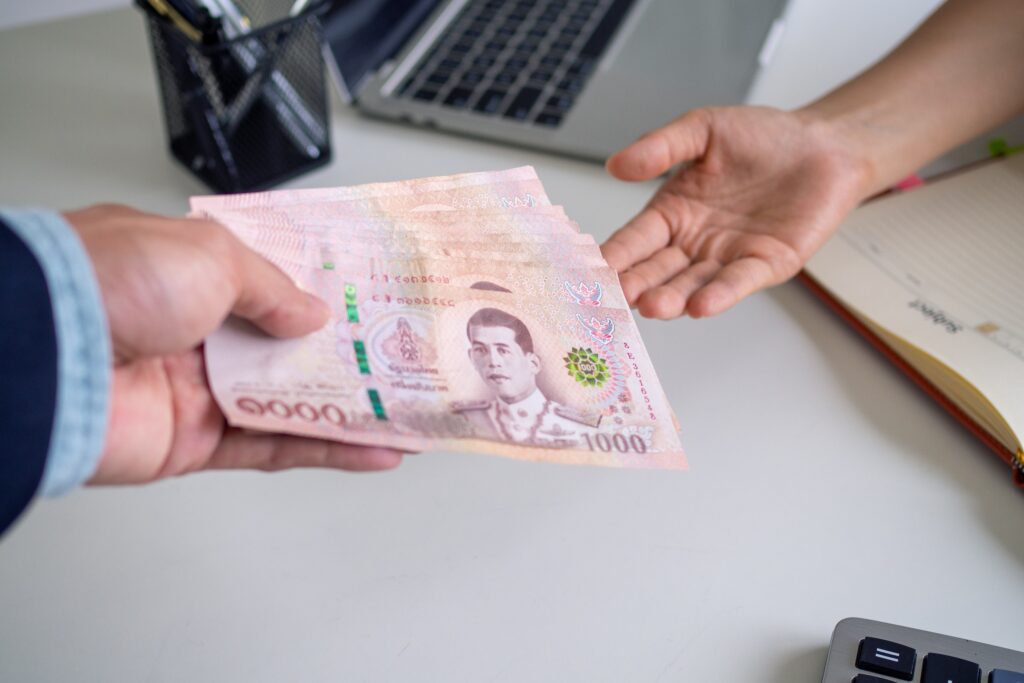
Labour groups in Thailand are supporting contract employees who want an end to short-term contract employment due to unequal treatment.
Employees in Myanmar see wages raise this October

To help employees cope with raising costs of living, Myanmar has raised the minimum wage for the first time since 2018.
Japan leads G7 in drafting code of conduct for generative AI

Digital watermarking will be prioritised to verify AI-generated content under a proposed AI code of conduct.
Workplace bullying impacts every other employee in Australia

Toxic workplace relationships are pervasive in Australia, with more employees reporting experiencing bullying, harassment, or discrimination.
How Bloomberg is cracking the code on corporate inclusion

Bloomberg is redefining corporate culture through a commitment to employee wellbeing and diversity and inclusion.
Digital economy creating more tech jobs in Singapore

The rising sector is creating multiple job opportunities for tech employees and raising median wages in contrast to employees in other sectors.