

Citadines Science Park Singapore: A lush oasis

The west of Singapore welcomes Ascott’s newest property, in a location prime for lifestyles for the busy working traveller or first-time tourist.
Singapore making progress in narrowing gender pay gap
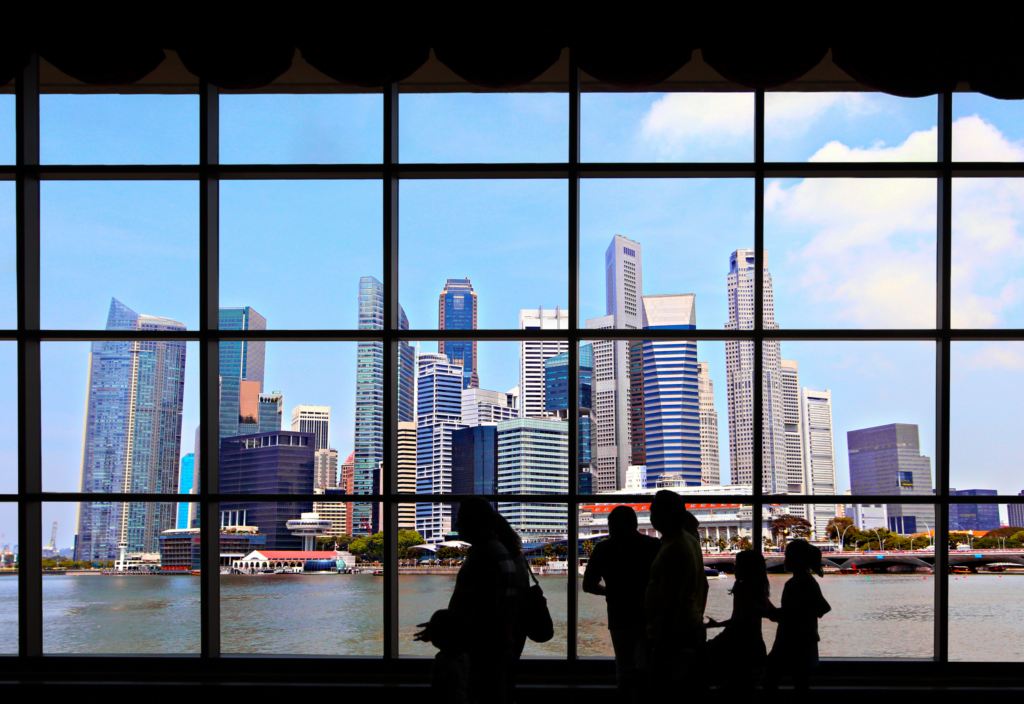
From 2018 to 2023, Singapore saw a significant reduction in the gender pay gap as more women entered PMET roles.
Moulding the future workforce at HR Tech Festival Asia 2024!
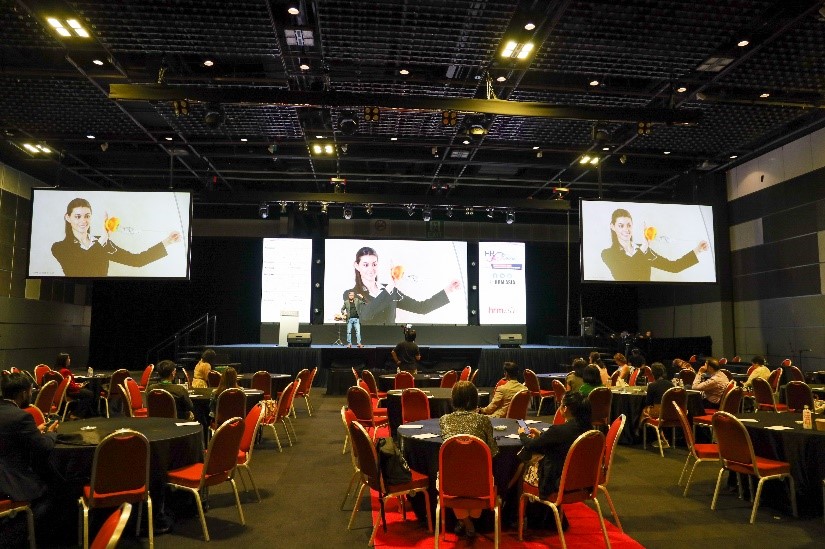
The Talent Unleashed theatre will, for two days, be the epicentre of discussions and sharing of how to inspire and transform your employees.
Indonesia boosts employee wellbeing with Fridays off

The initiative from the Indonesian government offers employees two long weekends monthly to emphasise wellbeing in the workforce.
Balancing employer and employee needs in the ever-changing workplace

Rob Squires, VP and Head of Sales for Asia and Japan, Dayforce, shares key findings from Dayforce’s 14th annual Pulse of Talent report.
Japanese unions demand highest wage hikes in 30 years

Fuelled by inflation and labour shortages, a historic 5.85% wage hike demand has been called for as labour negotiations continue.
Unlocking human capital potential amidst economic flux

Employment Hero’s 2024 Sentiment Report illustrates the optimism and resilience of SMEs, and offers guidance for strategic growth.
Employees to have the right of ‘offline rest’ added in China’s labour laws

China is considering amending labour laws to add working laws that clearly set boundaries on online overtime and compensation.
Not ready to retire? Employees in Singapore have the choice to work

By 2030, the retirement and re-employment ages will be increased to 65 and 70 respectively, and employees who choose to stay employed must be supported.
Top HR issues take centre stage at HR Tech Festival Asia 2024

Global thought leaders will gather at HR Tech Festival Asia 2024 to offer insights on navigating the evolving HR landscape.
Why employees should disconnect from work, and feel good about it

While legislation can serve as a foundation for employees to disconnect from work, true change requires a cultural shift.
South Korea’s income disparity widens, bonuses reflect wage trends

A study highlights the growing income gap in South Korea, as the top 0.1% of employees receive bonuses vastly outpacing the average employee.
Gig employees in Malaysia to enjoy same rights as formal employees
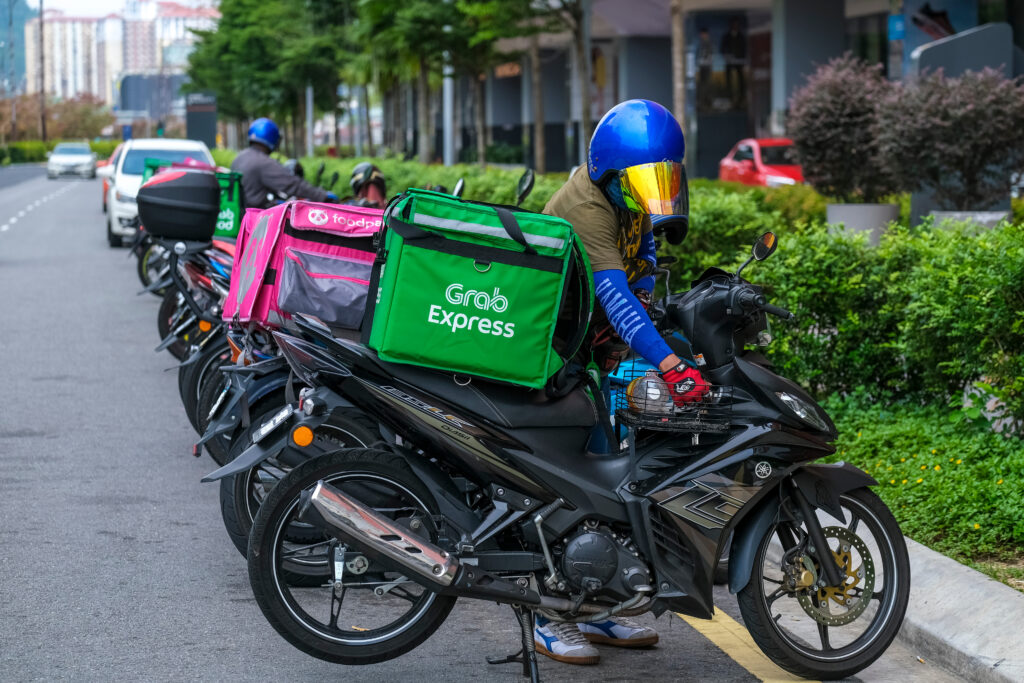
Malaysia has established a Gig Workers Commission to protect and safeguard the welfare of gig employees in the country.
Female employees in Singapore can expect more support in 2024

Besides fighting workplace gender discrimination, new legislation will also offer more opportunities for women to find themselves back into the workforce.
Taiwan sees progress in gender pay equality

Following the pandemic’s peak, Taiwan has seen the gender hourly wage gap narrowed to its smallest gap in 13 years.
Nearly 70% of disabled employees in Malaysia regain employment

Disabled people who lost their jobs between 2020 to 2022 due to the pandemic have now found jobs thanks to recent government initiatives.
Cognizant latest firm in India to ask employees to return back to the office

The firm’s CEO has asked its India-based employees to work onsite in the office three times a week, calling this new hybrid model,”the future of work”.
Firms in Australia learn to support employees facing family violence

Over 3,500 downloads of a podcast signal Australians’ active engagement with the government’s paid FDV leave initiative.
Sharing of paternity leave uptake in big Japanese firms now mandatory
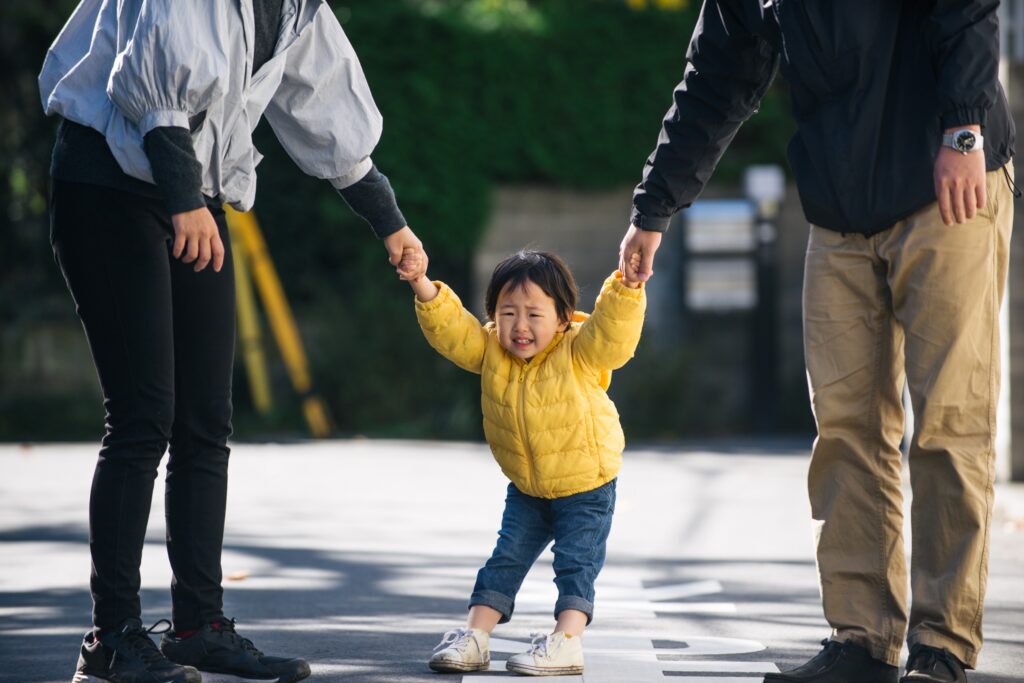
Thanks to newly introduced legislation, big firms need to set and share targets with the Japanese government on paternity uptake.
Drinks after work? More Kiwis seek post-work socialising

More Kiwi employees are voluntarily spending time with their colleagues after work for post-work drinks, despite working remotely for long periods of time.
Giving employees a festive bonus not unheard of, says SPCAAM
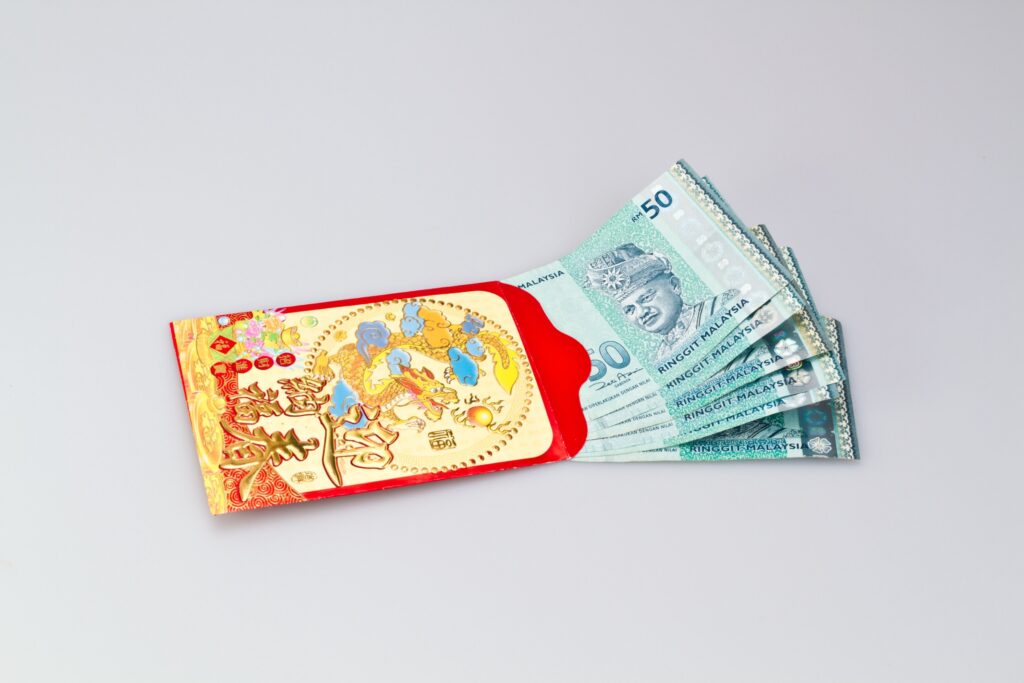
Employers in Malaysia are more than able to give employees a festive financial bonus, says non-profit organisation.
Wage hikes in the Philippines: Leave it to the wage boards
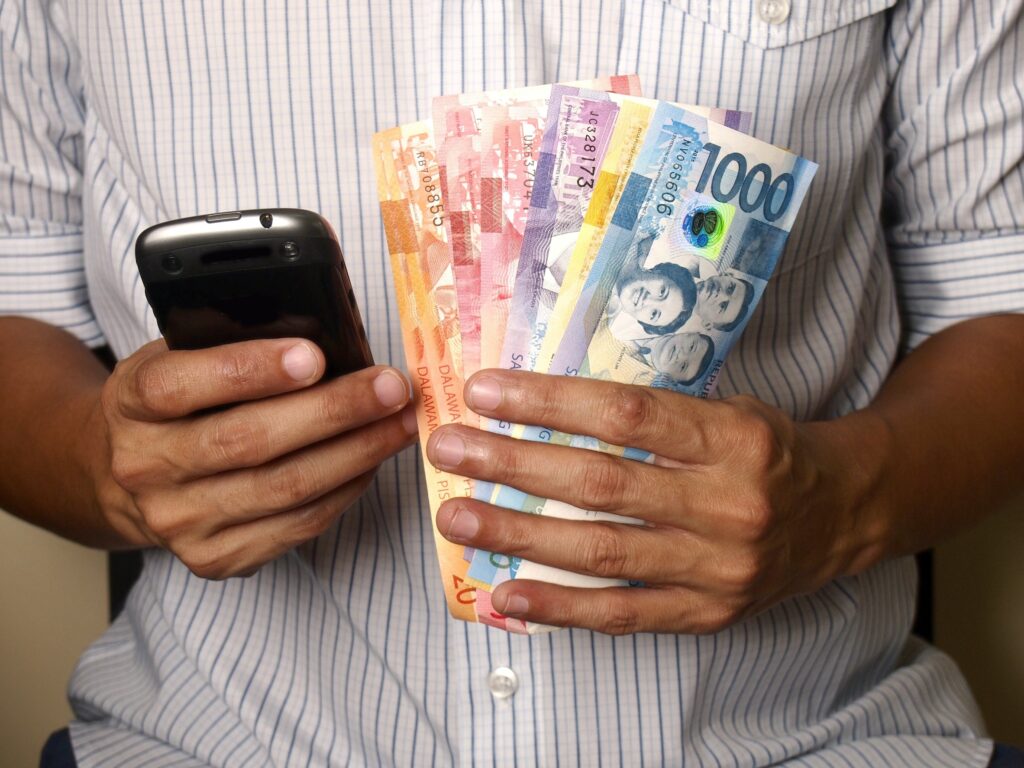
When it comes to wage hikes in the Philippines, only tripartite regional wage boards should be the ones to make decisions on when to implement, say critics.
South Korea sees shift in parental leave trends

Despite a slight decline in men taking paternity leave, women still make up 72% of parental leave takers in 2023 in South Korea.
Tata doubles down on return-to-office policy

K Kristhivasan, CEO of TCS, underscored the irreplaceable value of in-person learning experiences and cast doubt on remote work’s efficacy for growth.
South Korea sees surge in elderly workforce participation

The number of South Koreans aged 70 and older still engaged in work reached 1.55 million in January 2024, marking an 11.4% from the previous year.
Women in India exit over work-life balance concerns

In comparison to their male counterparts, more women are leaving their current jobs as they prioritise work-life balance.
Fresh graduates in Singapore get paid more but fewer find jobs

A recent graduate employment survey has revealed a surge in fresh graduate salaries but a drop in securing full-time roles.
Employees in Japan earning more, and feeling less satisfied

While many employees in Japan have turned to side jobs for extra cash, this has failed to allow them to achieve their desired income.
Remote work drives increased workforce diversity

A surge in remote work for parents and people with disabilities has narrowed the participation gap with the general workforce.
Gradual wage hike and workforce upskilling debated in the Philippines

The proposed P100 wage increase in the Philippines has prompted calls for staged implementation and workforce development to fuel economic growth.