

Delhi sees rise in monthly minimum wages for unskilled employees
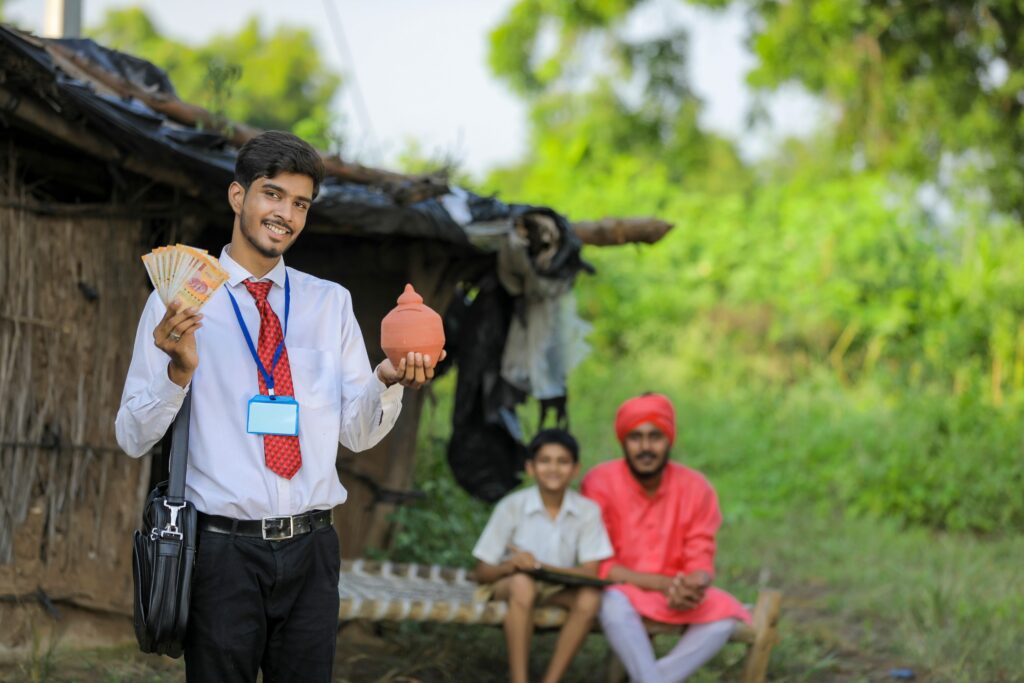
Employees working in the state capital are now some of the highest-earning in the country, according to the Delhi state government.
Eight-hour workday remains most prevalent in New Zealand

Female employees are more likely than their male counterparts to work less than 40 hours in a week, according to Stats NZ.
South Korea embraces AI’s transformation of labour market

South Korea’s Minister of Employment and Labour has urged firms to be ready for new technologies and has pledged more support for employees.
Creating a more inclusive workplace for unpaid caregivers in Australia

A new initiative looks to help employers better support employees who also have caregiving responsibilities alongside their paid jobs.
Singapore a top Asian destination for remote work

The country ranks high on digital and physical infrastructure, but is found wanting when it comes to metrics such as economic safety and cost of living.
Personality traits of founders play a crucial role in start-up success

Start-up founders with distinct personalities are more likely to succeed, and diverse founding teams further increase the odds.
Indonesia boosts its workforce through vocational training revival

To enhance the country’s labour force, the government is focusing on faster, demand-driven, and inclusive skill development.
Asia-Pacific gears up for green jobs in low-carbon economy shift

Amid a green job surge and skills shift, proactive measures are vital for Asia-Pacific’s low-carbon economy transition, ADB says.
National Skills Agreement seeks to boosts Australia’s workforce

With effect from January 2024, the National Skills Agreement will channel A$12.6 billion to expand access to quality training.
Malaysia government encourages private sector to raise salaries
Malaysia’s private sector, despite experiencing strong profits, is urged to mirror the government’s action and uplift employee salaries.
Hybrid work benefits acknowledged, but tech support lags

Strategic IT investments boost top-performing organisations, while AI reshapes customer and employee experiences.
Japan struggles to address work-life balance issues

Japan’s insufficient sleep crisis is linked to daytime fatigue, reduced focus, and severe conditions like depression and anxiety.
Budget 2024 looks to speed up job growth, increase salaries

Efforts to boost the labour market in Malaysia will see a six-pronged solution to help increase employment for women, amongst other initiatives.
South Korea sees a rise in job growth and a fall in unemployment
South Korea saw its employment rise for the second consecutive month this year, with a 1.1% increase in employment from the year before.
CHRO Indonesia 2023: Where HR meets innovation and sustainability

Organised by HRM Asia, the event gathers HR leaders in Indonesia to discuss how they can successfully navigate the future of HR in 2024 and beyond.
Employers in Malaysia looking beyond academic credentials when hiring

Having a degree or diploma is no longer the defining factor for a job seeker to gain employment, says Malaysia’s Economy Minister.
Malaysia aims to improve employee compensation through wage policy
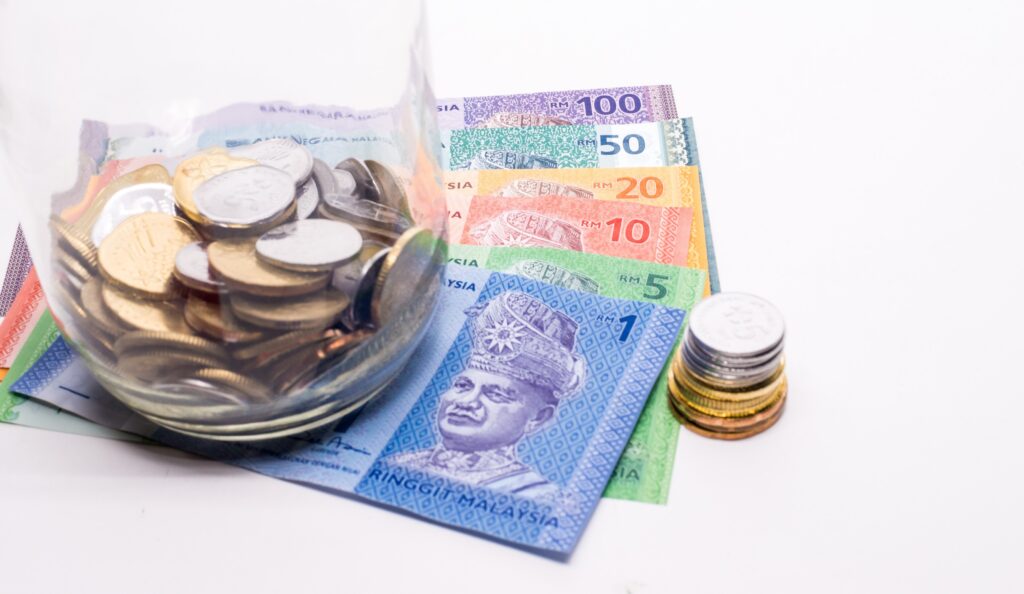
The progressive wage model will help drive employment and ensure renumeration improves for skilled employees, says Malaysia’s HR Minister.
Some employees in Japan reluctant to take leave even after encouragement

Deeply entrenched traditional beliefs in Japan that colleagues are inconvenienced are discouraging some employees from taking annual leave.
Placing employee wellbeing as a priority for leaders in Singapore

To shatter stigma and foster inclusion in the workplace, a campaign has been launched to make mental health a strategic priority.
Why Malaysia is adopting a progressive wage policy
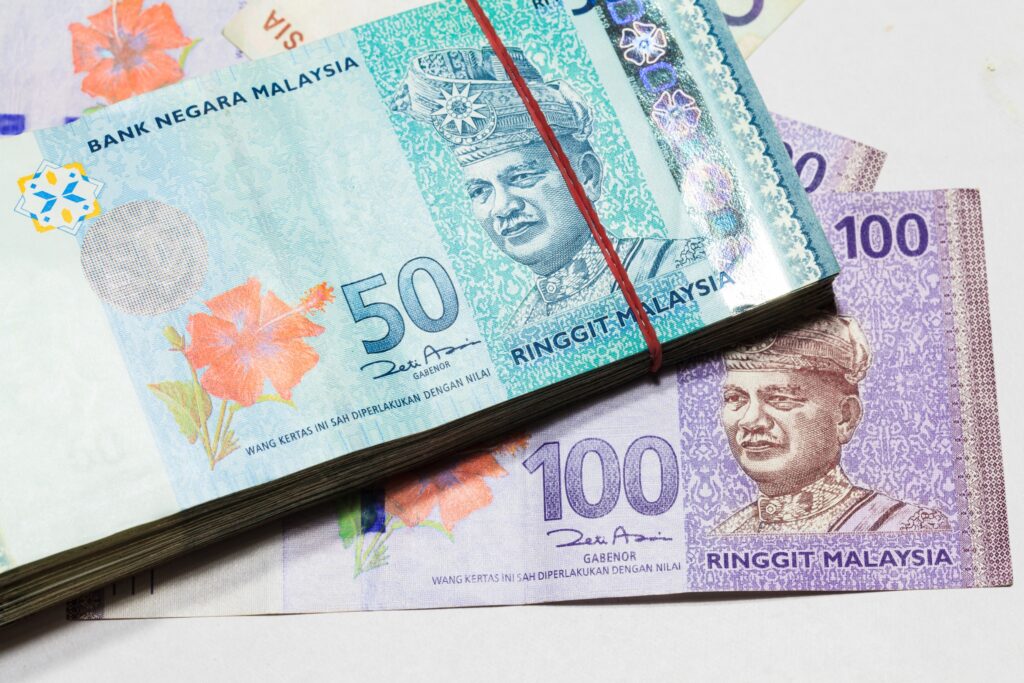
A progressive wage policy will ensure employees are fairly rewarded for their contributions, suggested Malaysia’s Economy Minister.
Thailand’s contract employees demand equal working benefits
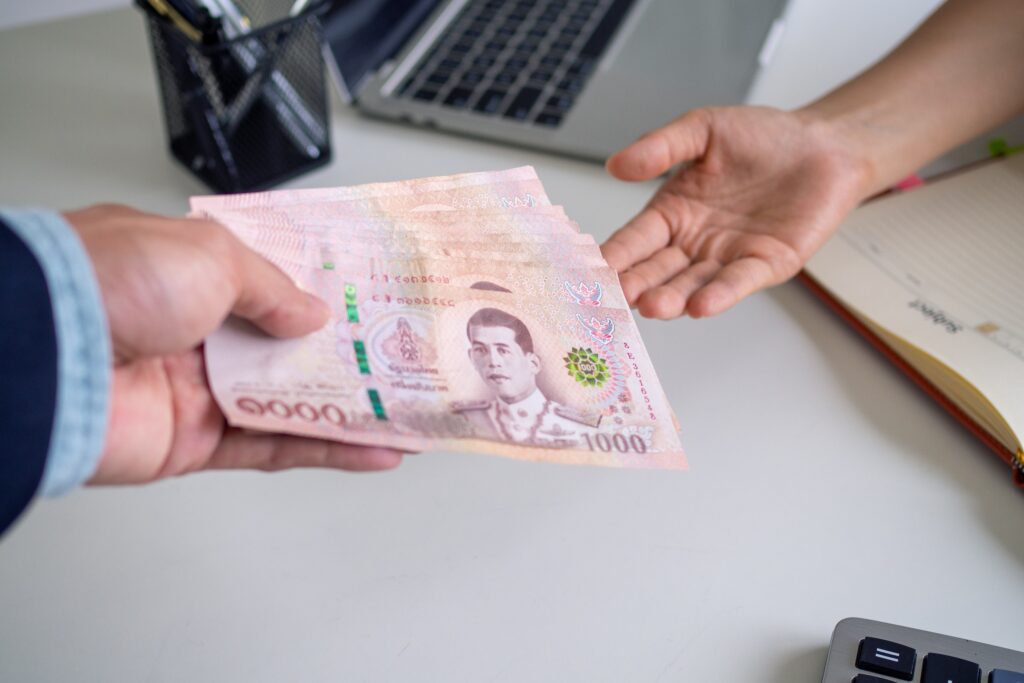
Labour groups in Thailand are supporting contract employees who want an end to short-term contract employment due to unequal treatment.
Employees in Myanmar see wages raise this October
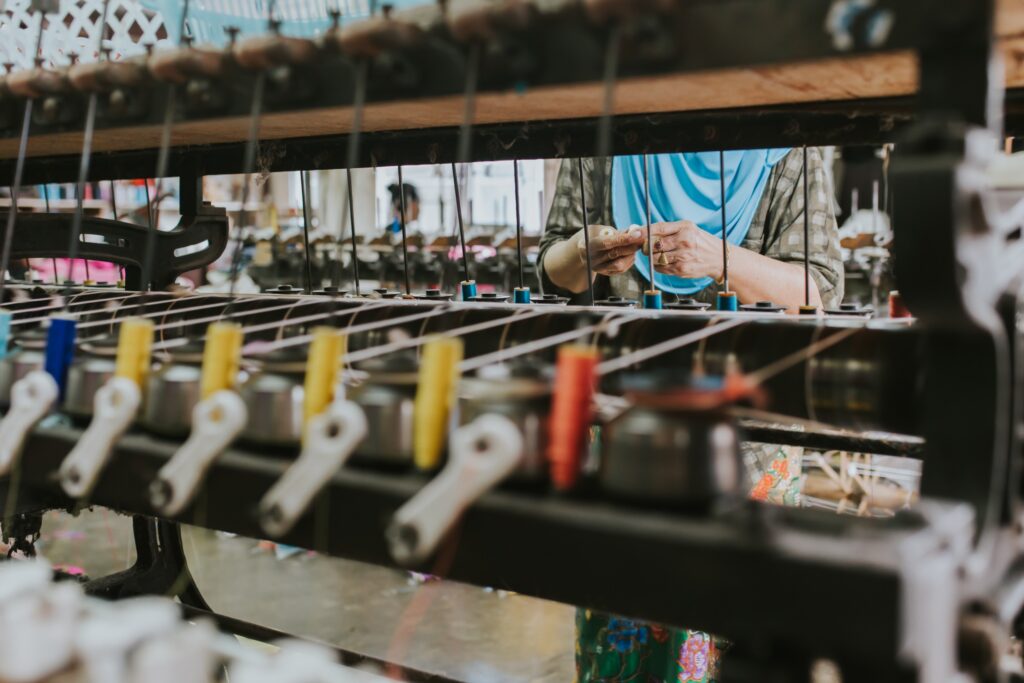
To help employees cope with raising costs of living, Myanmar has raised the minimum wage for the first time since 2018.
Japan leads G7 in drafting code of conduct for generative AI

Digital watermarking will be prioritised to verify AI-generated content under a proposed AI code of conduct.
Workplace bullying impacts every other employee in Australia

Toxic workplace relationships are pervasive in Australia, with more employees reporting experiencing bullying, harassment, or discrimination.
Digital economy creating more tech jobs in Singapore

The rising sector is creating multiple job opportunities for tech employees and raising median wages in contrast to employees in other sectors.
Employers in the Philippines wary of wage hike’s cost impact

Employer groups argue that attracting investments and creating jobs instead of raising wages is a better strategy.
Stay employable by learning digital skills, employees in Malaysia told

Jobs of the future will be driven by digital technology and employees need to gain new skills to be part of this future, according to a Malaysian minister.
Building resilience in Singapore’s manufacturing sector

While organisations are looking to upskill and reskill their employees, more organisations should look into developing soft skills such as problem-solving.
Mixed sentiments on generative AI in Singapore workplaces

Generative AI is reshaping workplaces, sparking enthusiasm among business leaders and employees, but concerns about its impact persist.
CEOs see ESG investment as part of sustainable long-term growth

Most CEOs are optimistic about their organisation’s growth prospects as they define the focus of their ESG investments.