

Japan struggles to address work-life balance issues

Japan’s insufficient sleep crisis is linked to daytime fatigue, reduced focus, and severe conditions like depression and anxiety.
Budget 2024 looks to speed up job growth, increase salaries

Efforts to boost the labour market in Malaysia will see a six-pronged solution to help increase employment for women, amongst other initiatives.
CHRO Indonesia 2023: Where HR meets innovation and sustainability

Organised by HRM Asia, the event gathers HR leaders in Indonesia to discuss how they can successfully navigate the future of HR in 2024 and beyond.
More proactive strategies needed to improve employee mental health

Mental health disorders are straining individuals, employers, and society, leading to absenteeism and unemployment, a new study has found.
Purpose versus pay: What factors more when choosing a job?

Despite people valuing both meaningful work and salary, there is only one winner when employees are made to choose one over the other.
Can technology help HR finally confront gender inequality?

While technology has a role to play in combating gender inequality, organisations can leverage on technology to create more effective strategies.
Malaysia aims to improve employee compensation through wage policy

The progressive wage model will help drive employment and ensure renumeration improves for skilled employees, says Malaysia’s HR Minister.
Some employees in Japan reluctant to take leave even after encouragement

Deeply entrenched traditional beliefs in Japan that colleagues are inconvenienced are discouraging some employees from taking annual leave.
Microsoft VP of HR: ‘It can’t go back to the way it used to be

Speaking at the HR Technology Conference, Microsoft’s Amy Coleman offers insights on building a flexible and inclusive workplace.
Listen to understand: How to manage a multi-generational workforce

To create a collaborative work culture that considers everyone’s needs, organisations must do more to understand their employees.
Why Malaysia is adopting a progressive wage policy

A progressive wage policy will ensure employees are fairly rewarded for their contributions, suggested Malaysia’s Economy Minister.
Thailand’s contract employees demand equal working benefits
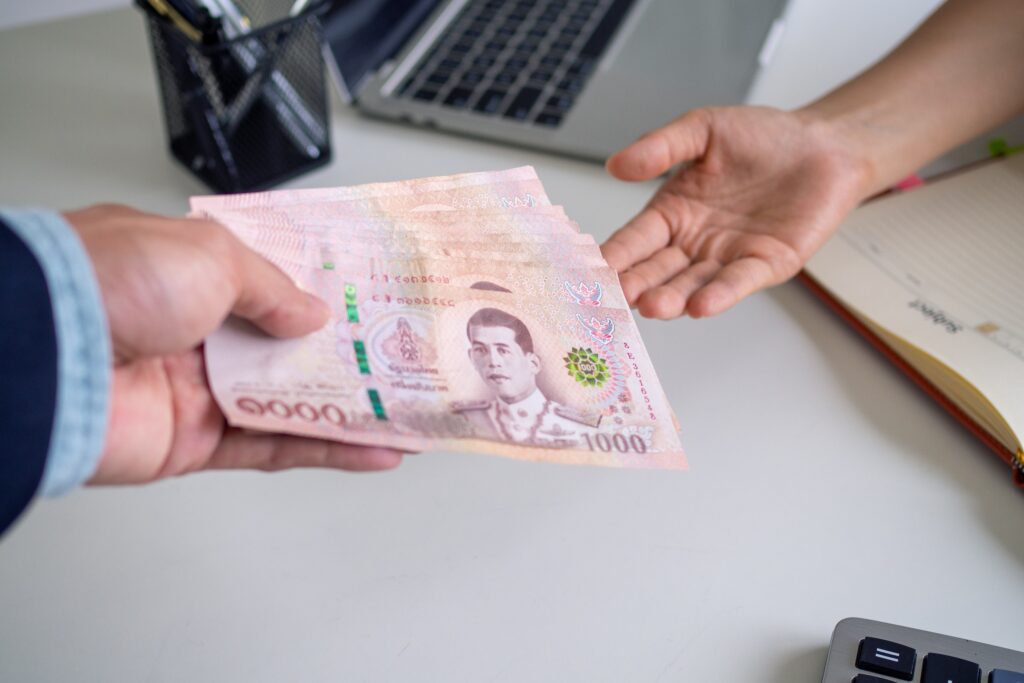
Labour groups in Thailand are supporting contract employees who want an end to short-term contract employment due to unequal treatment.
Employees in Myanmar see wages raise this October

To help employees cope with raising costs of living, Myanmar has raised the minimum wage for the first time since 2018.
Workplace bullying impacts every other employee in Australia

Toxic workplace relationships are pervasive in Australia, with more employees reporting experiencing bullying, harassment, or discrimination.
How Bloomberg is cracking the code on corporate inclusion

Bloomberg is redefining corporate culture through a commitment to employee wellbeing and diversity and inclusion.
Stay employable by learning digital skills, employees in Malaysia told

Jobs of the future will be driven by digital technology and employees need to gain new skills to be part of this future, according to a Malaysian minister.
Building resilience in Singapore’s manufacturing sector

While organisations are looking to upskill and reskill their employees, more organisations should look into developing soft skills such as problem-solving.
Mixed sentiments on generative AI in Singapore workplaces

Generative AI is reshaping workplaces, sparking enthusiasm among business leaders and employees, but concerns about its impact persist.
Why the return to office is creating a tug of war

Leaders and employees continue to have differing views when it comes to remote work and firms can do more to address the needs of everyone.
CEOs see ESG investment as part of sustainable long-term growth

Most CEOs are optimistic about their organisation’s growth prospects as they define the focus of their ESG investments.
How organisations can develop their next-generation leaders

Millennials and Gen Z employees can grow into great leaders if organisations understand their priorities and what they care about in the workplace.
More firms in Singapore utilise wage credits to employ disabled employees

New programmes and initiatives such as the Enabling Employment Credit have been essential in helping more disabled people get employed.
Rehiring former employees gaining momentum in Japan

Citing reasons such as better employee match and understanding of organisational style, more firms in Japan are welcoming back ex-employees.
The wellbeing equation: Building success through employee fulfilment

Pelindo’s commitment to employee wellbeing, including financial education and leadership support, helps employees thrive in a people-centric world.
Small-sized firms slowing down employment of women in India

Bigger organisations are more likely to hire women in comparison to smaller ones, and one of the reasons is due to non-wage benefits.
Amazon clamps down on employees defying RTO mandate

To ensure compliance with the return-to-office mandate, Amazon employees will reportedly be monitored by individual badge swipes into buildings.
Bridging the wage and skills gap in Singapore
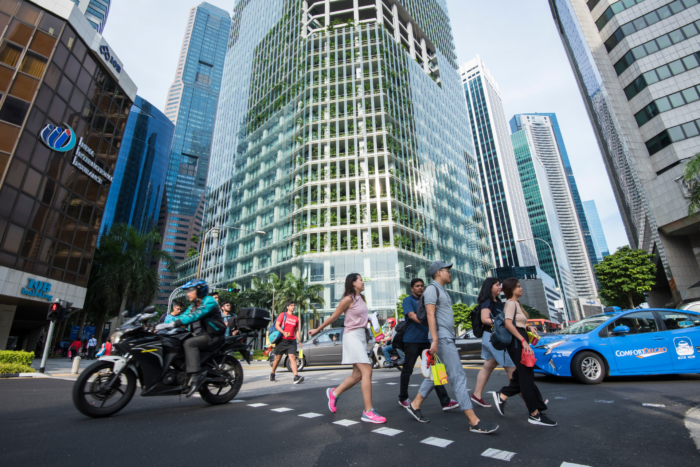
The labour movement has called for more support to help low-wage employees overcome respect issues, stagnant wages, and limited training opportunities.
WFH no longer an option for TCS employees

Tata Consultancy Services has reportedly told employees that they will need to be physically in offices for the entire workweek.
Navigating social risks in the multicultural business landscape

Singapore’s upcoming Workplace Fairness Legislation is heralding a key workplace shift, prompting a focus on equitable workplaces.
A people-first focus for a connected workplace: HR Tech Fest Connect 2023
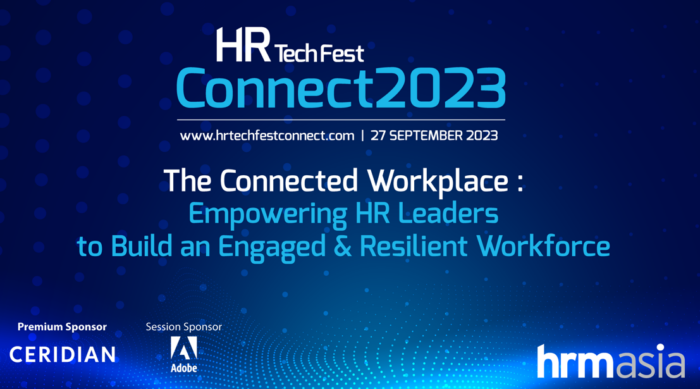
Asia’s largest HR and work tech conference examined post-pandemic workforce challenges and offered key insights for HR leaders to grow their organisation.