

Singapore moves to help older PMEs transition to new jobs

Making the Jobs Growth Incentive permanent can help mature professionals, managers, and executives (PMEs) transition into new jobs, said MP Patrick Tay.
Malaysia moots Bill that could make gig workers formal employees

In a first of its kind, the federal government will debate on an amendment Bill that could redefine the relationship of gig workers and tech companies.
Self-employed are less happy than salaried workers in South Korea

A report has found that self-employed people in South Korea are less happy than wage earners even though in many other countries the reverse is true.
Some 29% of gig workers in Singapore work almost 60 hours a week

Around half of the 1,000 respondents of a recent survey said that they would leave the ride-sharing industry if there were job opportunities.
New Zealand raises minimum wage and taxes on the rich

The move to raise minimum wage from the current NZ$20.0 (US$13.5) to NZ$21.2 (US$14.3) per hour has drawn widespread criticism from businesses.
Wage subsidies support employment of 2.95 million workers in Malaysia

As of February 18, a total of RM21.72 million has been channelled to 902 MSMEs under the Indian Community Entrepreneur Development Scheme.
Achieving business continuity and success in a changing world of work

As organisations look to achieve business continuity and success, ADP’s Peter Hadley highlights the payroll challenges organisations face in 2022.
Singapore discourages incentive schemes tied to attendance

Enforcement action may be taken on employers who continue to implement attendance-tied incentive schemes from next year.
WHO and ILO: Set boundaries on working hours when teleworking

Employees should also establish individual telework plans and clarify expectations about timelines and expected results, the WHO and ILO highlighted.
Japan group set up to protect gig workers’ rights

Currently, gig workers are considered self-employed and therefore not guaranteed a minimum wage or employment insurance.
Retirement age to be progressively raised in China
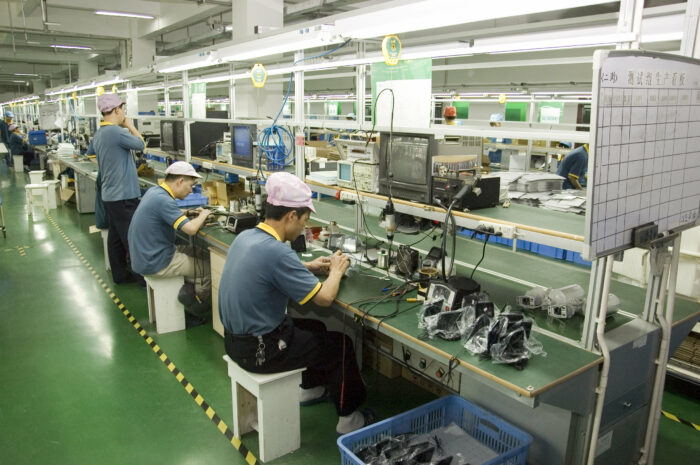
Jiangsu will be the country’s first province to allow workers to postpone retirement next month in a bid to decrease social welfare spending.
13.5% of workers in Taiwan not given overtime pay

Although work satisfaction increased to 72.5% last year, 13.5% of workers reported that they did not get extra pay for working overtime.
Gender pay gap in Australia falls to 13.8%

The full-time wage gap between male and female workers amounted to A$255 per week, marking the second lowest national pay gap in the last 20 years.
South Korea approves extra budget to help businesses

The country’s parliament has passed a larger-than-planned first extra budget of this year amid the biggest outbreak of the pandemic to date.
Malaysia partners with on-demand work platform to protect gig workers
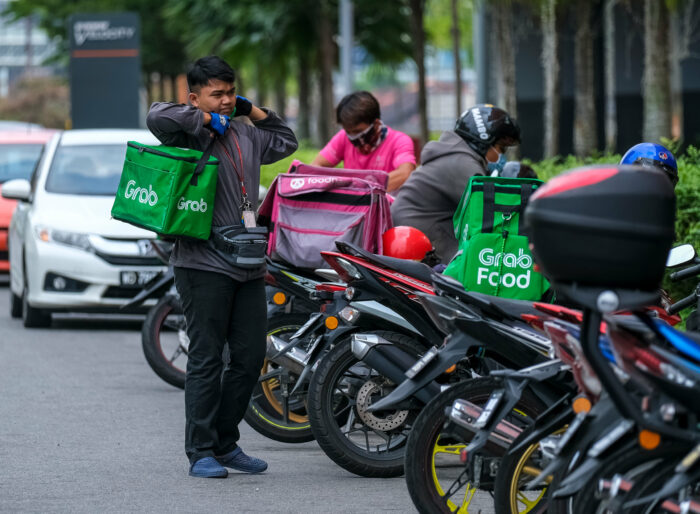
Gig workers on the platform with existing EPF accounts can give their consent to opt into the programme and set their contribution rate.
China to launch policies supporting SMEs

To help SMEs tide over the pandemic, the government will implement more supportive policies to help SMEs operationally and financially.
Victoria sets aside A$200 million stimulus for firms

A$34.2 million of funding will be used to place workers in over 1,500 jobs across hospitality, warehousing and logistics, and tourism.
Taiwan’s gender pay gap rises to 15.8% in 2021

The pay gap between the hourly wage of male workers and that of female ones averaged NT$57 or 15.8% last year, according to the Ministry of Labour.
Businesses in Malaysia urged to pay workers higher wages

Although the government is still discussing the minimum wage hike, some firms are already paying more than the minimum wage.
Australia enforces payment of workers’ superannuation

The Australian Taxation Office will penalise employers who fail to pay workers’ superannuation after delaying its enforcement due to the pandemic.
How companies can successfully manage risk in Asia

A new report by Aon provides insights into issues such as human capital risk and employee financial wellbeing.
Australian federal public service urged to extend parental leave entitlements

Employees who experience miscarriage or still birth should also be provided with paid leave, said the Community and Public Sector Union.
South Korean companies call for business tax incentives

CEOs have urged the next government to increase tax revenue by strengthening the economy instead of hiking taxes on businesses.
New Zealand rolls out COVID-19 support to businesses

To qualify for the handout, businesses must show a 40% drop in revenue over seven consecutive days during the six weeks prior to February 15.
Singapore provides reskilling opportunities for older workers

Most of the people who have difficulty obtaining jobs are typically in their 50s and 60s and have educational qualifications below a diploma.
Malaysia studies move to increase minimum wage

Despite the rollout of government work support initiatives, employers have been reluctant to offer decent salaries to potential workers.
Australia saw jobs availability increase in January

The number of available jobs rose by 12,900 in January, an increase of 0.1% from December, according to Statistics Australia.
Japan to focus on flexible working in upcoming labour talks

The Japanese Trade Union Confederation wants businesses to define workplace rules related to the eligibility for remote work.
S$500 million support package for Singapore’s struggling sectors

Singapore’s 2022 budget will include a S$500 million (US$372 million) support package to help workers and businesses “still struggling” to recover.
Malaysia urges firms to return to WFH arrangements

The health ministry noted that the current infectious rate of COVID-19 in the country is higher, and most likely caused by the Omicron variant.