
One size does not fit all: Decoding the cultural blind spots of psychological safety
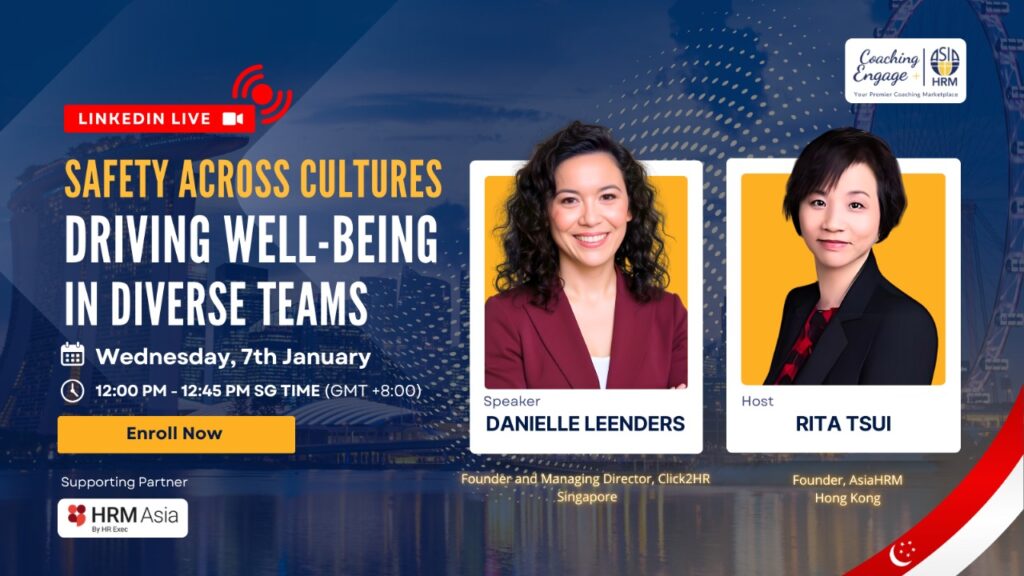
Psychological safety may be universal in theory, but in Asia’s multicultural workplaces, who feels safe—and why—depends deeply on culture and power.
The architecture of work is changing: HR must own the blueprint

If 2025 rattled you to your core, says i4cp’s Kevin Oakes, 2026 is going to be the year you will begin to see how AI integration truly takes shape.
Can Singapore’s aviation ambitions soar without a future-ready workforce?

As aviation advances in AI, digitalisation and sustainability, its greatest risk is not technology—but whether a future-ready workforce can deliver.
Engineering the future workforce: How Micron builds a “living architecture” for learning and innovation

Through AI upskilling, leadership development, and holistic support, Micron prepares employees to adapt, reskill, and thrive in evolving roles.
Raising the bar for work in the Philippines: Why 2026 will be defining for HR leadership

Amid wage reforms, rising employee expectations, and accelerating digital change, 2026 is set to redefine HR leadership in the Philippines.
Work with intent: The new science of AI job redesign

Dr Autumn Krauss of SAP SuccessFactors urges HR leaders to harness AI not just for efficiency, but to strengthen work meaning.
When experience quietly walks out the door: The hidden cost of the menopause taboo

Menopause is costing organisations more than turnover, says Menopause Asia’s Joanne Ho, as experienced women quietly scale back at midlife.
Anatomy of an ‘AI-first’ HR org
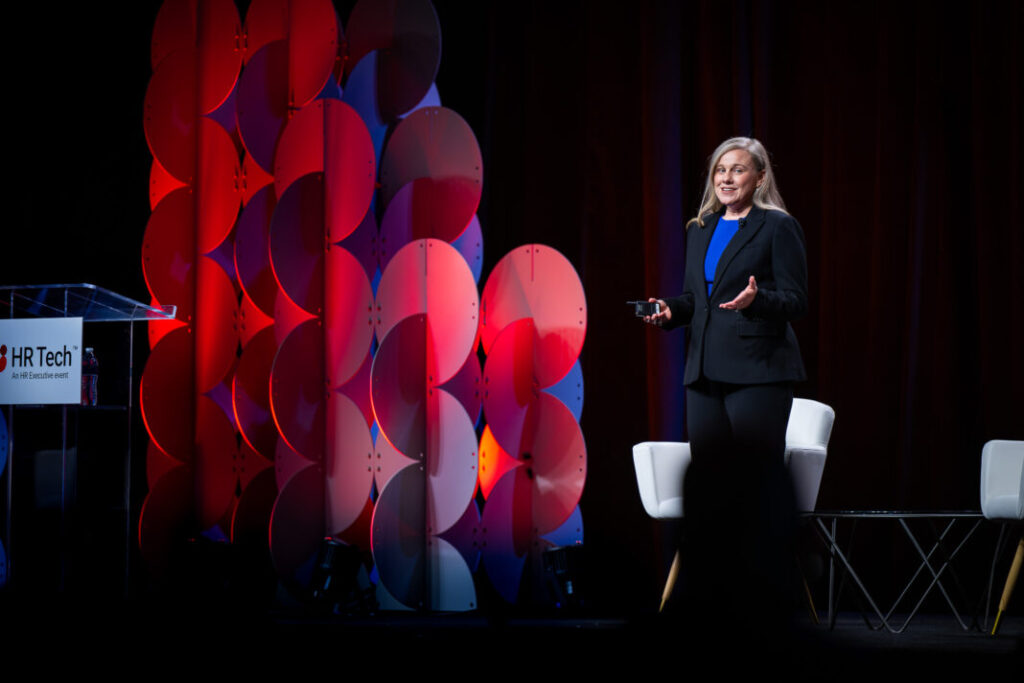
IBM CHRO Nickle LaMoreaux, one of this year’s NAHR Fellows, says becoming an AI-first function has been both a challenge and opportunity for her and her team.
Technology is the enabler, not the solution: Reimagining training in the age of AI
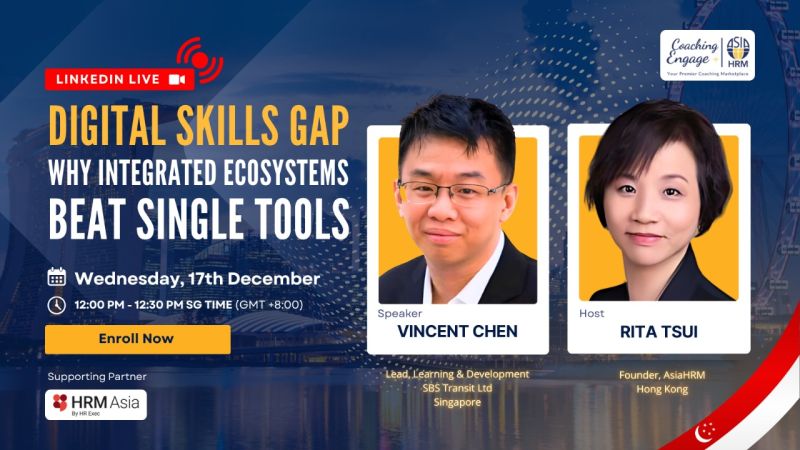
Technology alone cannot close skills gaps—SBS Transit’s integrated human-centred learning ecosystem offers a compelling alternative for HR leaders.
A year of transition: TADA’s Kay Woo on navigating Singapore’s new regulatory norms

Kay Woo’s TADA navigates regulatory change under Singapore’s Platform Workers Act, showing how fairness and zero-commission models support gig workers.
Want a superworker company? Create supermanagers

AI is transforming every role—the real opportunity lies not just with employees, but with the managers guiding them, The Josh Bersin Company’s Julia Bersin explains.
HR technology’s 2025 story: Acceleration, accountability and the real test for AI

If 2025 was the year AI became impossible to ignore, then 2026 can be the year HR leaders ensure their technology solutions strengthen, rather than divide, workplaces, writes HR Tech Chair Steve Boese.
Stop fixing systems, start unlearning: An HR leader’s guide to futureproofing talent
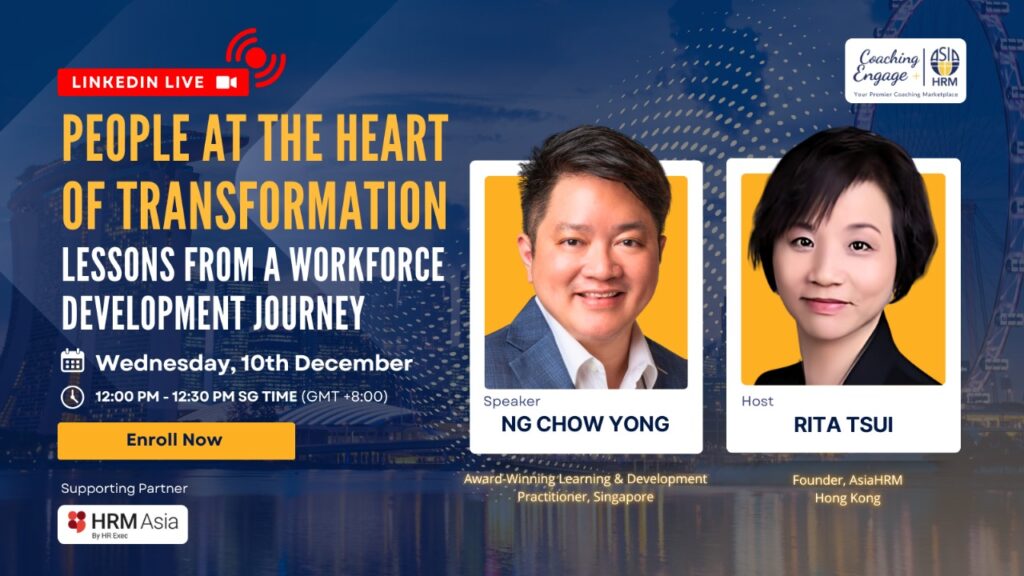
Behind every successful transformation is HR guiding people to unlearn, relearn, and build the capabilities needed to navigate change.
Human oversight required: The trust crisis threatening AI’s workplace takeover
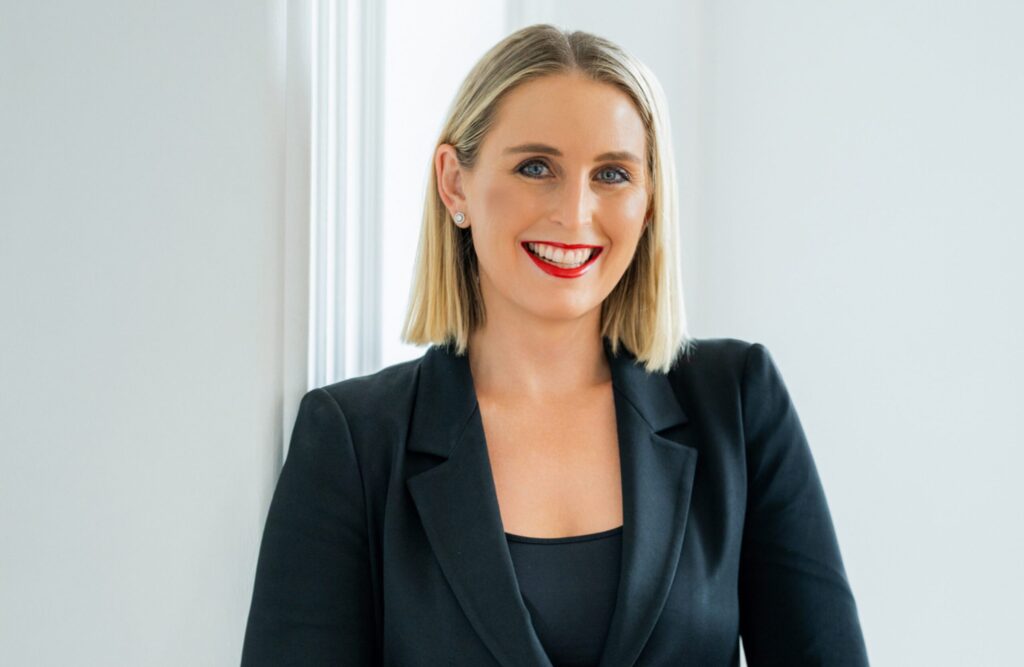
Workday’s new research reveals employees in Singapore welcome AI as teammates but not managers, reshaping how HR must balance trust and technology.
Can workplaces remain “human” in the age of AI? Rothman & Roman seeks industry answers

Amid rising geopolitical tension, AI disruption, and workforce fatigue, organisations are rediscovering communication as the foundation of trust, belonging, and sustainable culture.
The 2026 HR paradox: AI integration demands a deeper focus on humanity

In 2026, HR’s greatest challenge—and opportunity—will be merging advanced AI with the human qualities that sustain trust, culture, and performance.
The next era of HR is here: Moves every leader must make in 2026

HR may not be moving quite into the “future of work”, but it will be a key driver of business adaptability as the working world continues its rapid change.
StarHub at 25: Redefining wellbeing from a programme to a way of working

Tan Toi Chia shows how StarHub turns wellbeing into everyday work, embedding clarity, care, and connection into its culture.
The multi-stage career: Redefining longevity, purpose, and flexibility in the modern workforce
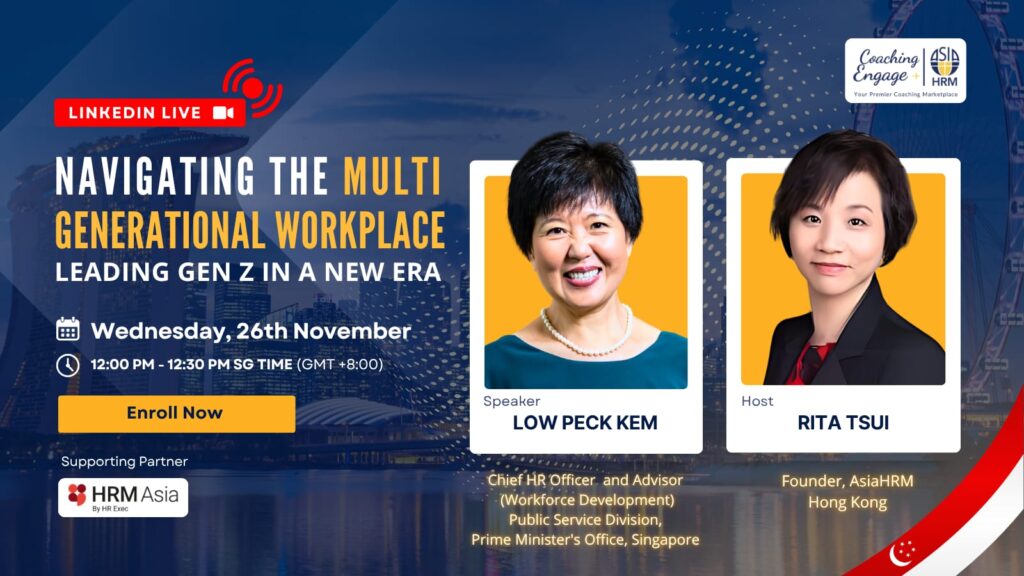
Low Peck Kem examines how organisations must rethink careers, flexibility, and leadership to engage Gen Z and thrive in a multigenerational workforce.
AI is transforming business. How do future careers begin?
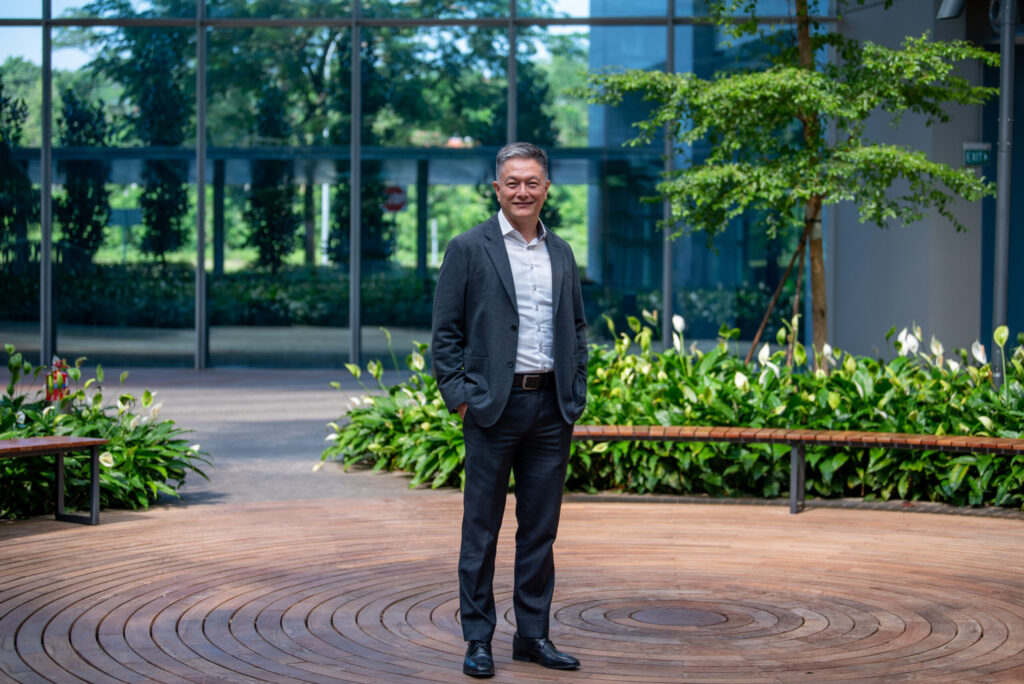
Automation is accelerating across Asia, but as digital systems take over foundational tasks, organisations risk losing the early-career roles that once built future leaders.
Appreciation as leadership currency is a high-pressure era

The way that leadership circulates appreciation impacts organisational culture far beyond a moment of positive feedback.
Microsoft’s HR playbook: Building capability, confidence and culture in an AI-driven workplace
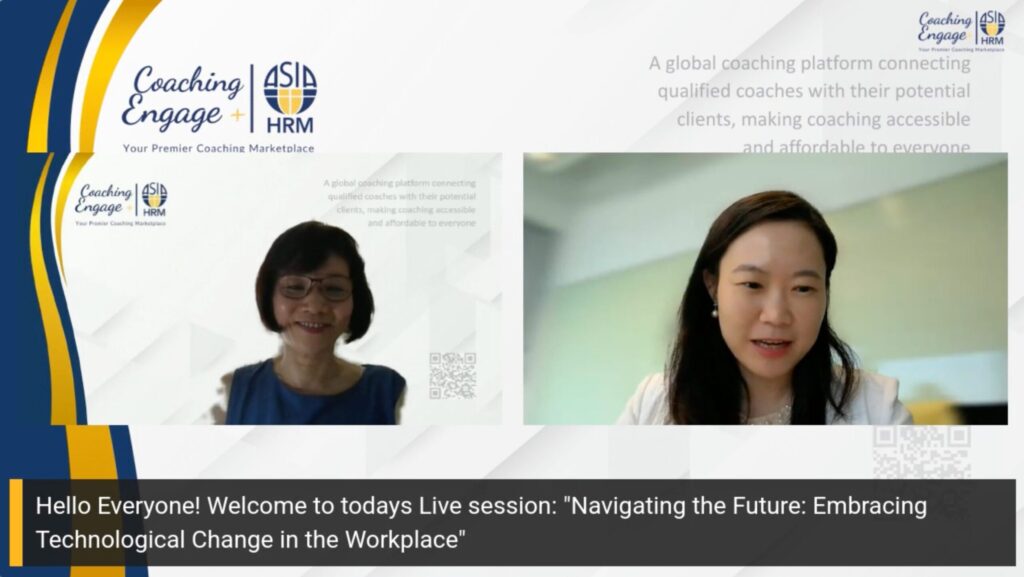
Microsoft is redefining HR transformation across Asia-Pacific, showcasing how AI can empower people, accelerate change, and position HR as strategic innovators.
The post-role era: Talent leaders must now orchestrate a ‘skillforce’

Skillsoft’s Mark Onisk argues that AI’s rapid task-level disruption demands real-time skills intelligence to guide HR’s augment, automate, or acquire decisions.
The commercial case for purpose: Why Grundfos’ new CHRO is acting as a “multiplier of growth”
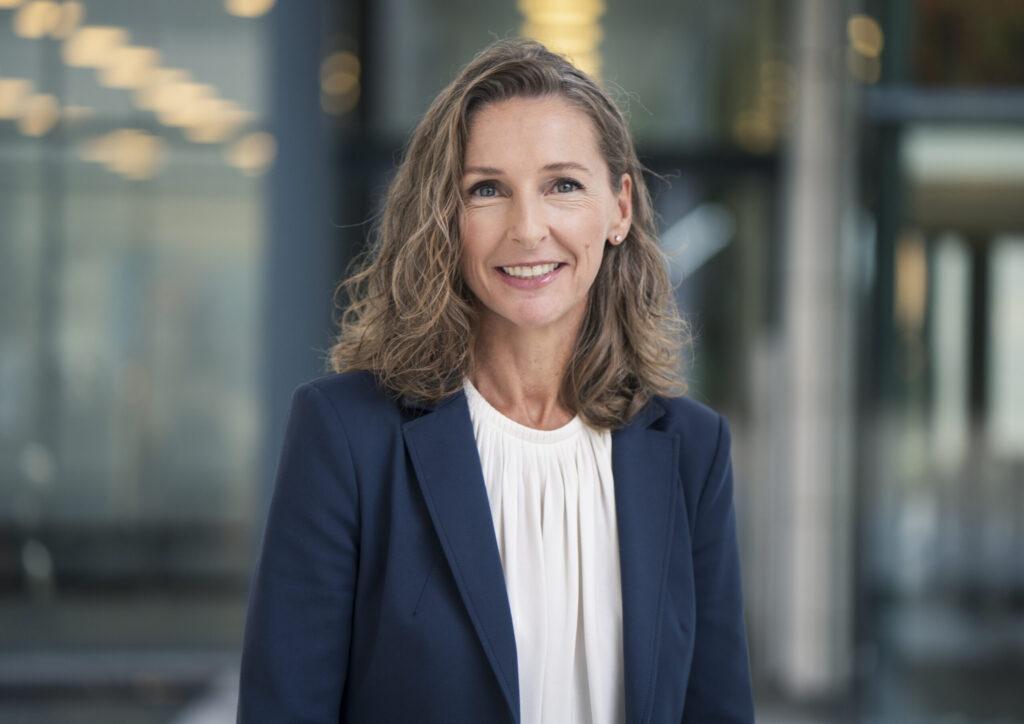
Anne Grønbjerg steps in as Grundfos’ CHRO with a mission to unite purpose, people, and performance across the organisation’s global workforce.
Amplifying talent, not replacing it: A new vision for AI in corporate services
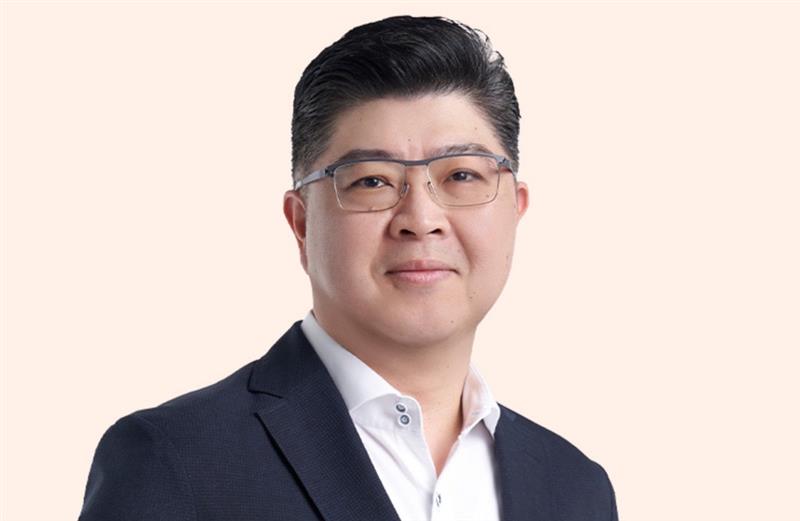
While many corporate service organisations are cutting headcount to fund AI investments, forward-thinking organisations are taking a different path, one where technology empowers people rather than replaces them.
Why is change management keeping HR up at night?

At LinkedIn’s recent conference, Jay Shetty and Thasunda Brown Duckett explored what modern HR-led change management should look like.
Skills, AI, and culture: Inside Mondelez’s next-generation HR strategy
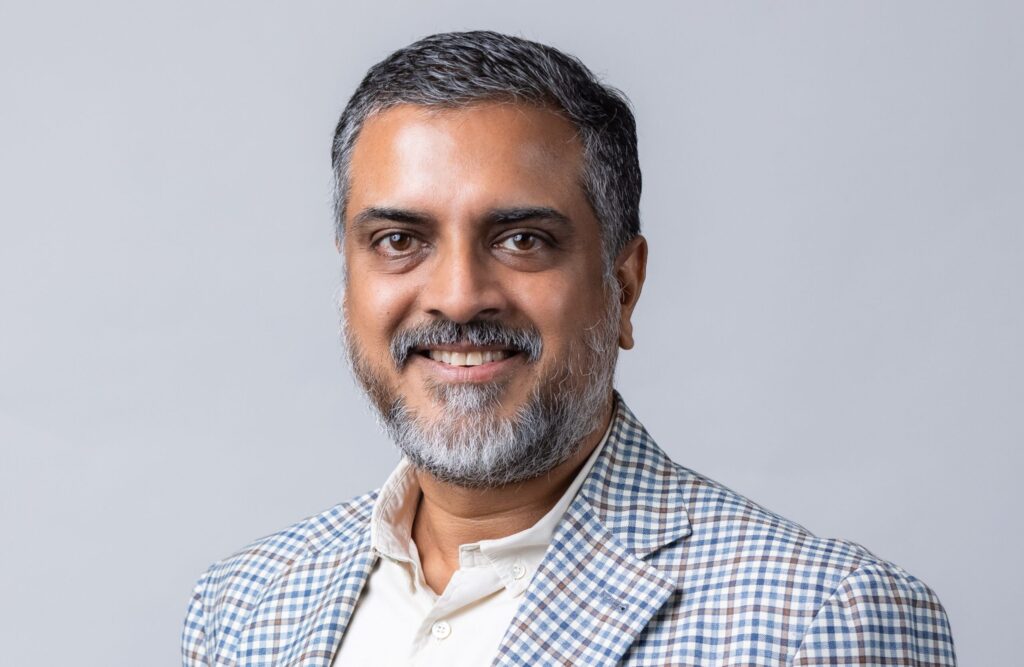
As technology transforms work, Mondelez’s Rajesh Ramanathan is redefining how capacity, capability, and culture drive inclusive growth across diverse markets.
Building trust and innovation through psychological safety in the workplace
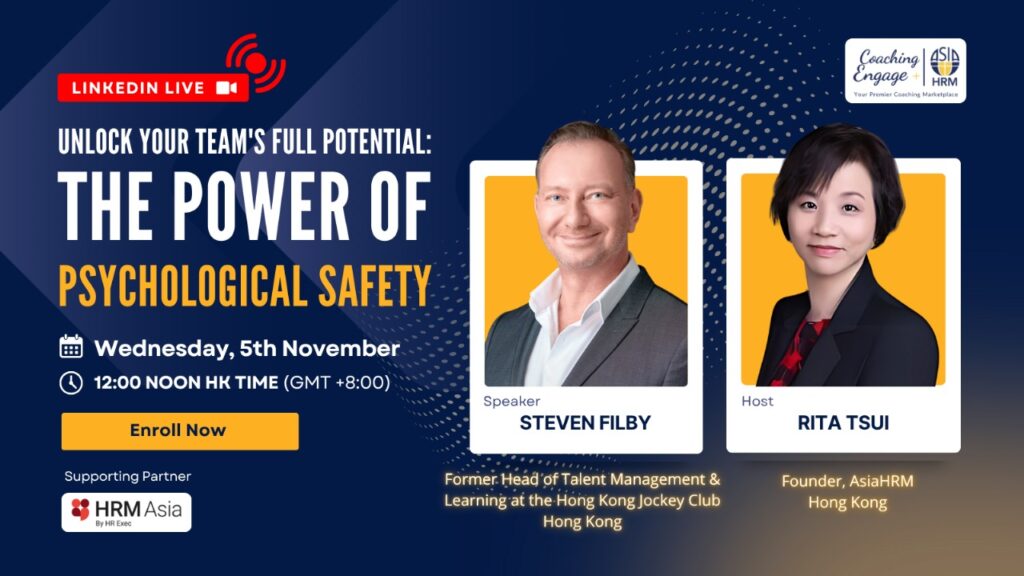
According to Steven Filby, fostering psychological safety is the key to unlocking trust, innovation, and stronger team performance.
The agile anchor: How Lenovo reimagines stability for a volatile world
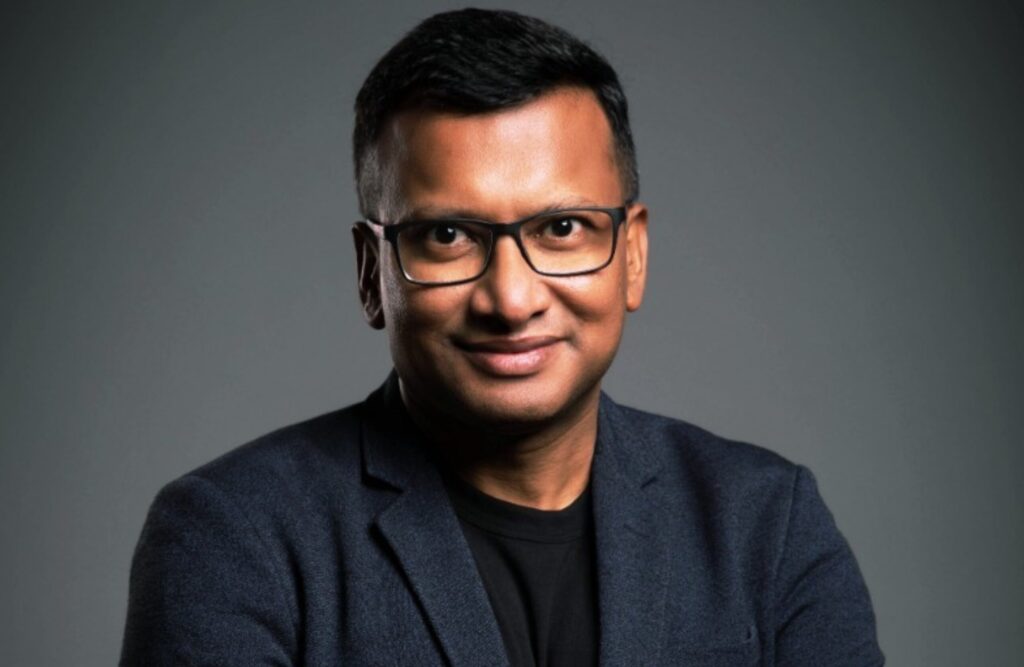
Subhankar Roy Chowdhury of Lenovo argues that in a volatile world, HR success depends on alignment, agility, and shared organisational vision.
Beyond instinct: Why leadership assessments matter more than ever

Leadership assessments reveal more than skills and experience—they uncover a person’s impact and potential, helping organisations make smarter, fairer talent decisions. For leaders themselves, they are opportunities for greater clarity and self-awareness.