
Flexi work arrangements can improve employees’ mental health

In Singapore, as more employees head back to the office, giving them more flexibility over work arrangements can boost their mental well-being.
Malaysian unions urge government to prevent retrenchments as MCO starts

The Malaysian Trades Union Congress had previously proposed emergency employment laws to be enacted to prevent businesses from retrenching workers.
Health and safety are at the heart of business continuity

John Sumser explains why organisations need to priortise health and safety as they explore approaches to create business continuity.
Working-age population projected to shrink in Japan and South Korea

An OECD report has calculated that by 2050, Japan’s working-age population would have declined to 61.8%.
Cambodia sees US$100 million co-financing scheme fund for SMEs fully subscribed

The average loan taken by SMEs amounted to US$122,514.
Thailand to roll out US$7 billion stimulus package

Finance minister Arkhom Termpittayapaisith has proposed for 210 billion baht (US$7 billion) to be given as cash handouts to individuals and companies.
Businesses in Japan that violate shutdown orders could face fines
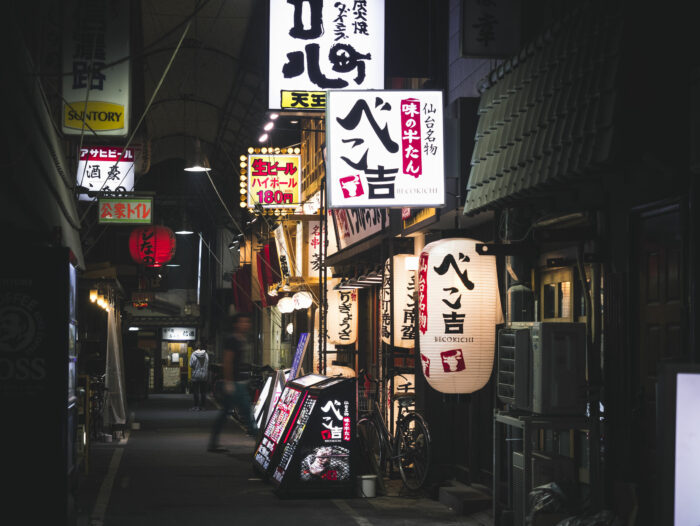
The amendment to the special measures law is set to be enacted by the Japanese government in early February.
Singapore seeks to raise wages of bottom-rung workers

Senior minister Tharman Shanmugaratnam said the country needs to raise the salaries of workers at the bottom of the ladder.
Josh Bersin: 5 positive lessons HR learned in 2020

Looking ahead to 2021, global industry analyst and dean of the Josh Bersin Academy, Josh Bersin, highlights some of the key lessons HR learnt in 2020.
Job openings in Australia rise 23% in November
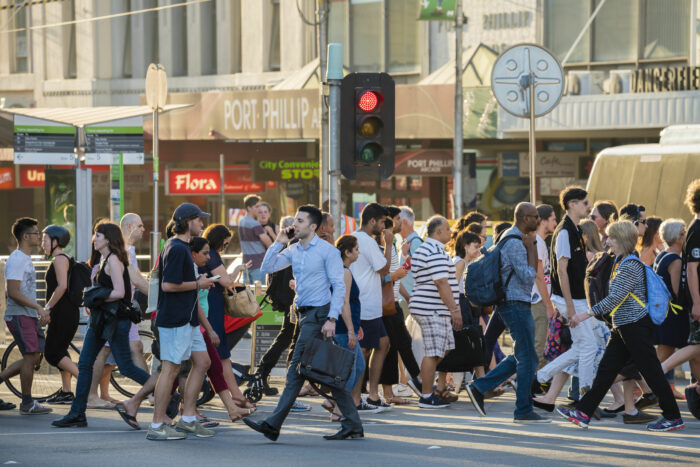
The increase in vacancies reflect the pace of recovery in labour demand in the second half of the year, says labour stats chief.
Taiwan’s employment rose for sixth consecutive month

Employment figures in the industrial and service sectors increased for the sixth consecutive month in November.
Ho Chi Minh city plans to add 3,600 workers to public workforce
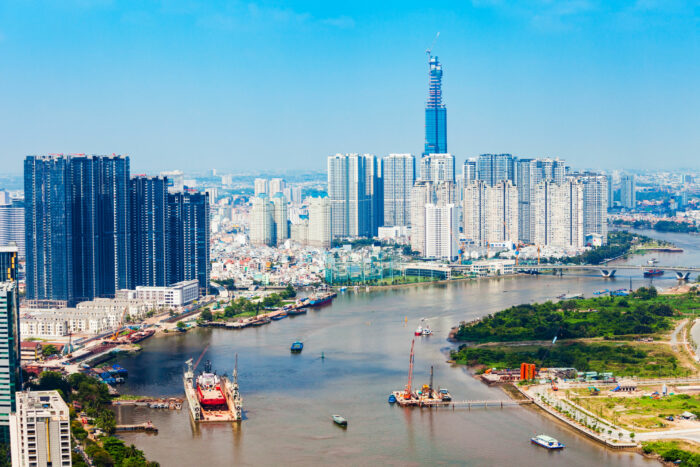
The city government has requested permission from the Ministry of Home Affairs to employ 10,700 civil servants in 2021 instead of the 7,100 approved earlier.
Japan’s education ministry posts job openings at schools for pandemic-hit workers

Corporate workers can now search for jobs at schools in a new section of the education ministry’s website.
Thailand approves more measures to soften COVID-19 blow
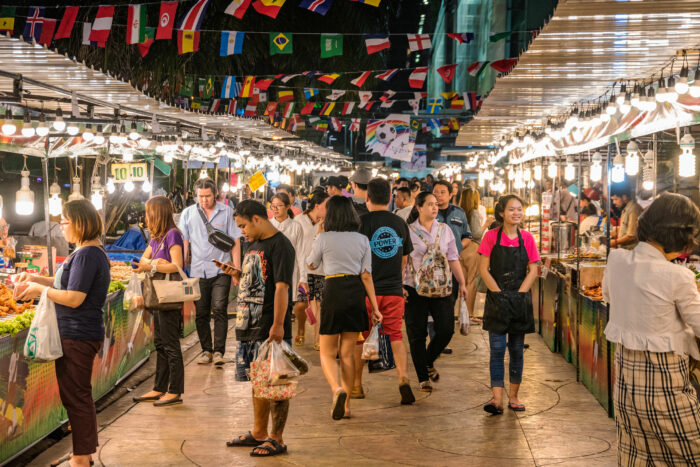
The measures include soft loans and lower utility bills, and aim to boost liquidity for businesses, provide debt relief and unemployment support.
Some Malaysian employers cover up status of staff infected by COVID-19
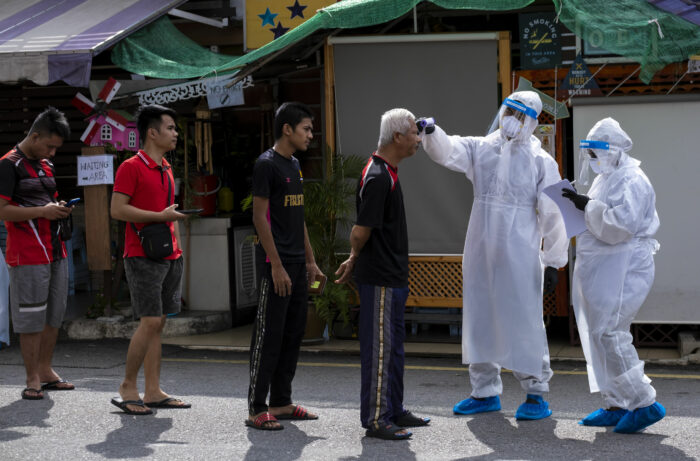
Fearing that their businesses will not be able to operate at full capacity, some employers remained silent about staff testing positive for the virus.
Employers should hire and train mature workers, eliminate bias

The country aims to tap into the Singapore workforce, instead of relaxing its foreign worker policy, says minister.
Jason Averbook: Why 2021 is the year of ‘Re-‘

The year 2021 represents an opportunity for organisations to rethink many of their processes and practices.
People-centric Sime Darby Property leads employees with mental health awareness at the forefront

Malaysia’s leading property developer sees their employees’ mental wellbeing as a priority.
How HR can make a successful shift into 2021

HRM Asia talks to some of the leading HR thought leaders on how organisations can make a successful transition into 2021.
3 tips for managing long-term remote work

With more organisations making remote work permanent, here are a few things to keep in mind, writes HRE’s Jen Colletta.
Jobs available for Cambodian migrant workers returning from Thailand
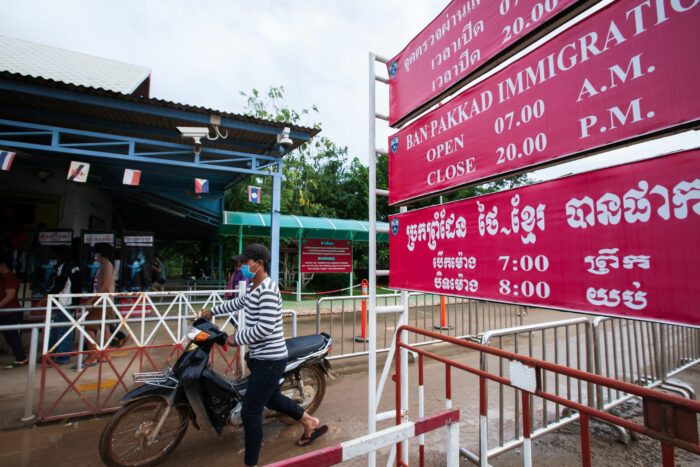
The National Employment Agency (NEA) is preparing 20,000 jobs in the kingdom for migrant workers returning from Thailand.
Malaysia requires employers to provide quarantine centres for foreign workers
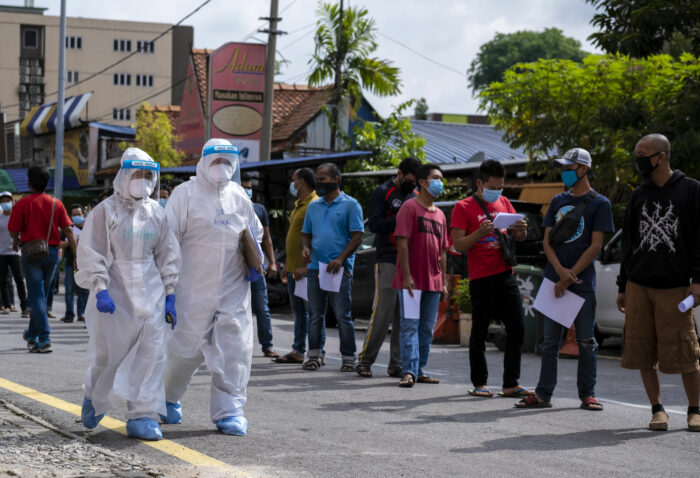
Employers will also be responsible for medical costs and ensuring the welfare of their foreign workers.
South Korea launches third round of emergency cash reliefs

The finance ministry plans to hand out 4.1 trillion won (US$3.7 billion) in emergency cash to people affected by the third wave of the coronavirus.
Japan urges businesses to promote teleworking

The government is requesting companies to cut the number of commuting workers by 70% with alternatives like teleworking.
Hong Kong incentivises companies to employ local graduates

Hong Kong’s government is offering companies a grant of HK$10,000 (US$1,290) for each recent college graduate they employ.
New loan guarantees provide Thai SMEs with more financial flexibility

The new loan programmes have a combined loan guarantee of 40 billion baht, and will be rolled out through six financial institutions.
Singapore enterprises received US$13.2 billion worth of loans in 2020

Enterprise Singapore (ESG) aided businesses by loaning S$17.4 billion (US$13.2 billion) last year, as many companies struggled because of the pandemic.
Taiwan sees weekly drop in furloughed workers

The government expects the number to drop further, with the upcoming Lunar New Year boosting domestic demand and businesses.
What are the key concerns for HR in 2021?

After a largely difficult and uncertain 2020, HR faces the challenge of reinvigorating employees, as well as helping their organisations develop strategies that will ensure success in 2021.
Funding from FDI to create high-skilled jobs in Malaysia

The government is partnering international venture capital fund managers to create jobs, said Malaysia’s finance minister.