

SMEs in South Korea more likely to hire temporary employees

Compared to large organisations, about four in 10 employees working for organisations with less than 300 staff are non-regular workers.
UOB enhances employee experience with one unified HR platform

Since August 2022, the Workday HCM has been deployed across 14 markets, with plans to introduce it in five ASEAN markets in 2023.
Wages prove that paper qualification matters in Singapore

The average starting salary of a university graduate is now almost twice that of an ITE graduate, and this gap persists over their lifetimes.
2 Cents: People-first approach a priority for HR in 2023

With people key for organisational success, attracting and retaining the best talent is on the agenda of every HR and business leader heading into 2023.
Why CHROS are focusing on human capital management in 2023
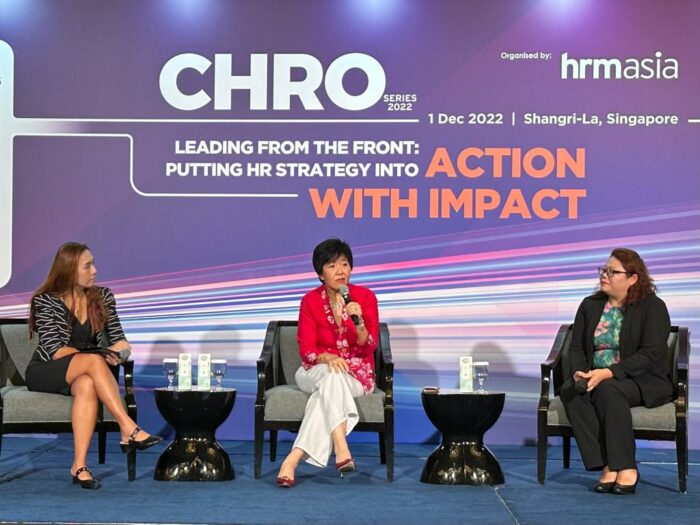
Attracting, managing, and retaining talent was a key discussion point at HRM Asia’s CHRO Series Singapore 2022, which took place on December 1.
Pushing the pedal: How Multiplier is plugging critical tech talent gaps
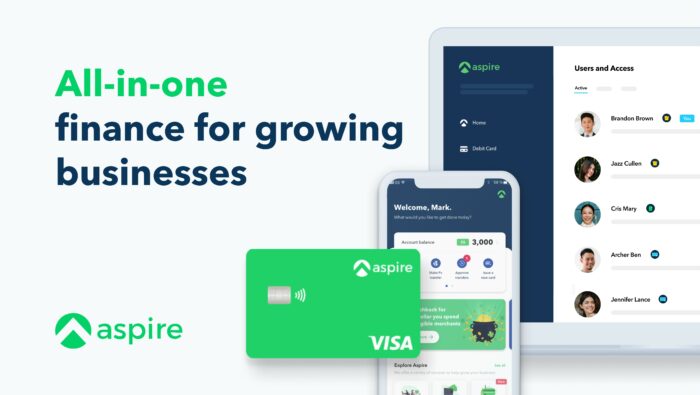
Multiplier helped Aspire to find critical tech talent beyond borders, helping it achieve growth milestones whilst making savings of more than S$1M per year.
Employment in Singapore rose for second consecutive year
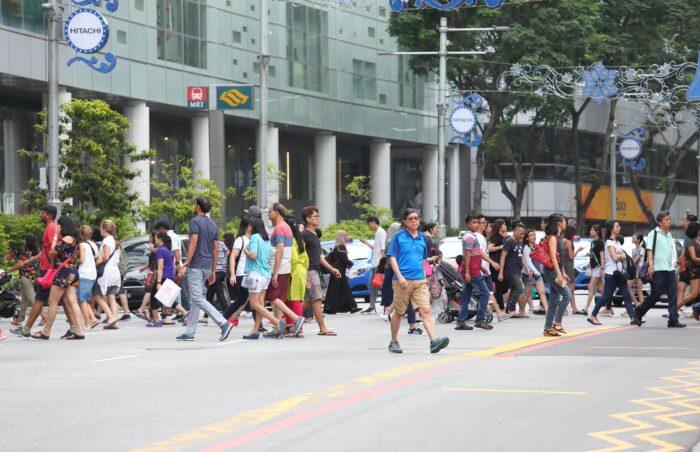
While real median income increased from 2021, growth was tempered by the continuing impact of high inflation.
Jobs creation should be prioritised over wage hikes in the Philippines

The Employers’ Confederation of the Philippines has called on the government to provide more inclusive measures to manage economic problems.
What CHROs can do to shape the world of work in 2023

Taking place on December 1, the CHRO Series Singapore will discuss topics such as building a talent management strategy that embraces innovation.
APAC job markets post modest recovery in 2022

While Asia-Pacific labour markets recorded a partial rebound from the pandemic, 2023 is expected to present challenges hindering a full recovery.
Organisations should take a people-first approach to attract talent

Ways to foster attractive workplaces include leveraging flexible work options to provide employees with more autonomy.
Hong Kong provides support for businesses to retain and create jobs

Hong Kong has approved HK$12.1 billion (US$1.5 billion) in wage subsidies for eligible employers and employees.
Organisations face hiring challenges as employee’s market remains

Fears of a potential recession may temporarily curb hiring in the short term, but long-term effects are likely to skew market power toward jobseekers.
Malaysia’s labour market continues recovery
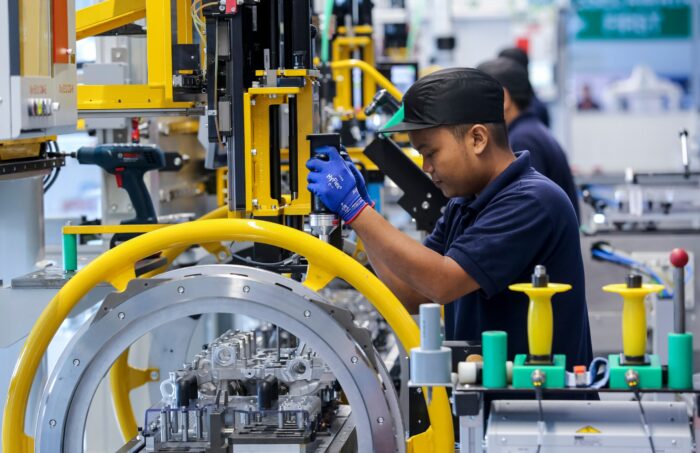
The unemployment rate in the country dropped to 3.7% compared with 4.7% in the same quarter last year.
South Korea priorities job creation for older jobseekers

Efforts are ongoing to create employment opportunities for South Korea’s elderly population, which is expected to reach 10 million by 2025.
Indonesia looks to create jobs with investments in green economy

Employment opportunities related to environmental responsibility activities are expected to increase, predicted Indonesia’s central bank.
Labour shortage impacts more than half of companies in Japan

The ageing population, coupled with the recovery of the economy, has caused more than half of 11,000 firms in Japan to experience a labour crunch.
Japan seeks more diversity in employment opportunities

The Japan Business Federation (Keidanren) is looking to end the negative image of mid-career hires by rephrasing commonly used employment terms.
South Korean lobby groups call for corporate tax to be reduced

A corporate tax reduction will improve cash flow that can then be directed to employment and investments, say the lobby groups.
Childcare the largest barrier to female workforce participation in Australia

Employers can offer the flexibility to work part-time hours as a means to increase female workforce participation.
More employment opportunities for workers with disabilities in Singapore

Interest in companies to hire workers with disabilities has risen by 30% since this August, driven largely by the service sectors.
South Korea told that labour laws need to improve

South Korea’s employment and workplace practices need to be more flexible and in line with global standards, said the Federation of Korean Industries.
South Korea’s labour market urged to adjust to employment uncertainty

Job training and reskilling are measures that can be taken to create more employment opportunities in 2023, says business group.
Japan’s job availability improves for ninth straight month in September

This comes as employers looked to hire in preparation for a rebound in inbound tourism as the pandemic-related daily arrival cap is removed.
Total employment in Singapore expected to stagnant
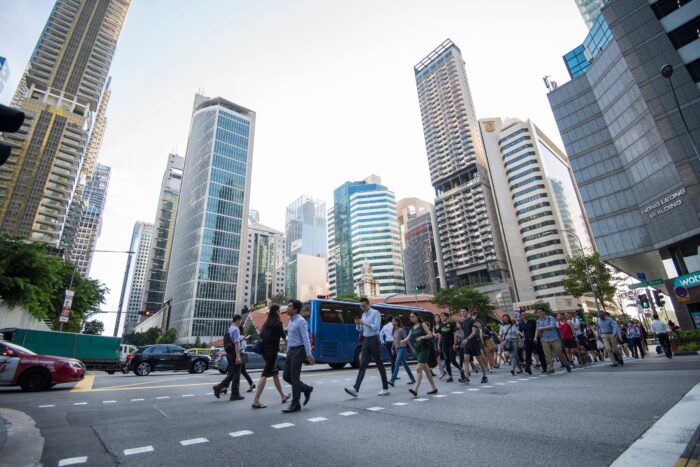
Although employment grew in Q3’2022, global conditions are likely to create an uncertain labour market in the coming months.
College graduates in South Korea not actively seeking employment

Besides the lack of job vacancies, some South Koreans are taking time to better prepare, which accounts for their inactivity in the job market.
South Korean young adults taking longer to find jobs

New data has found that nearly 360,000 young adults in South Korea spent more than three years in landing their first job.
Four-day workweek firms see surge in job applications

While companies have witnessed a surge in job applications, it does not necessarily equate to finding the right candidate.
AI found to be an ineffective tool for recruitment

The use of artificial intelligent hiring tools does not result in a reduction of bias or improvement in diversity, a study has found.
Be ready for the future of work by winning the talent war

A recent webinar organised by HRM Asia, in partnership with Accenture and Oracle, explored talent management strategies for HR leaders.