

Indonesia’s salary hike in 2023 expected to exceed APAC average

Bonus payouts will be higher in Indonesia this year, and salary increases will follow in 2023, a Mercer report has predicted.
Vietnam mandates firms to issue year-end bonuses
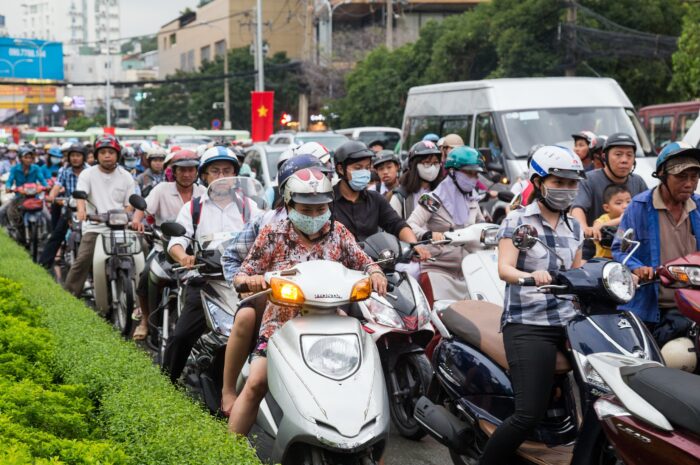
Employers are also encouraged to roll out policies to encourage workers to return to work after the celebration of Tet, the Vietnamese New Year.
AWS: Workplace innovation starts with dissatisfied employees

Those who are curious about how the world works and their role in it are likely to innovate at the workplace, said CEO Adam Selipsky.
Australia plans to strengthen skills sector with A$402 million investment

The creation of Jobs and Skills Councils reinforces Australia’s commitment to tripartite leadership, uniting stakeholders to address workforce challenges.
Work-life balance not the top priority for younger employees in Singapore

Unlike their more experienced counterparts, younger employees will choose more income over having more free time.
Dean Carter moves to Guild as Chief People Officer

In his new role, Carter will look to strengthen Guild’s culture of opportunity and provide advice to partners on ways to redesign their human capital strategies.
Creating a fair and sustainable workforce in Asia Pacific

Employers and employees must work together to adapt to new ways of working in a rapidly changing and evolving economic environment.
Employers in Australia urged to close gender pay gap

The factors that weigh on unfair compensation include discrimination, bias in hiring, and having more men in senior management roles.
Remuneration package key to attracting talent in Hong Kong

Employees will only be tempted to leave for another employer in 2023 if they receive a substantial salary increase as the cost of living continues to raise.
Cultivate high-performing employees with a people-first approach

To allow employees to thrive in a hybrid environment, organisations should design work models around the needs of their workforce.
Building an employee-first workplace culture a priority for CHROs in 2023

HRM Asia’s CHRO Series Malaysia 2022 took a deep dive into topics such as employee wellbeing, HR transformation, and workforce optimisation.
Leaders in Malaysia urged to invest in upskilling workforce

10 million workers, or 60% of Malaysia’s workforce, will need to be retrained and upskilled over the next five years.
South-East Asia expected to see salary hike in 2023

Inflation and the need to address and retention issues are the main reasons why many organisations are preparing to raise employees’ salaries.
Why eradicating workplace harassment must be a priority

If left unchecked, workplace harassment can negatively impact employees’ mental health and hurt the bottom line of organisations.
Job seekers re-entering the workforce should consider modifying their CVs

Job applicants are more likely to receive a call back from an employer if their job histories specify years worked instead of employment dates.
SMEs rank survival and expansion as top challenges

Talent acquisition and retention is also one of the biggest challenges faced by SMEs around the world, reported the World Economic Forum.
Jezmynn Koh-Turner joins Fujitsu’s APAC leadership team

The marketing and communications leader is re-joining Fujitsu as Head of Marketing for Asia Pacific and will support Fujitsu’s growth in the region.
SMEs in South Korea more likely to hire temporary employees

Compared to large organisations, about four in 10 employees working for organisations with less than 300 staff are non-regular workers.
UOB enhances employee experience with one unified HR platform

Since August 2022, the Workday HCM has been deployed across 14 markets, with plans to introduce it in five ASEAN markets in 2023.
Improving the hybrid work experience by redesigning offices

Organisations in APAC are looking to create an office work environment that will appeal to employees who prefer to work remotely.
Looking ahead: What are the priorities for CHROs in 2023?
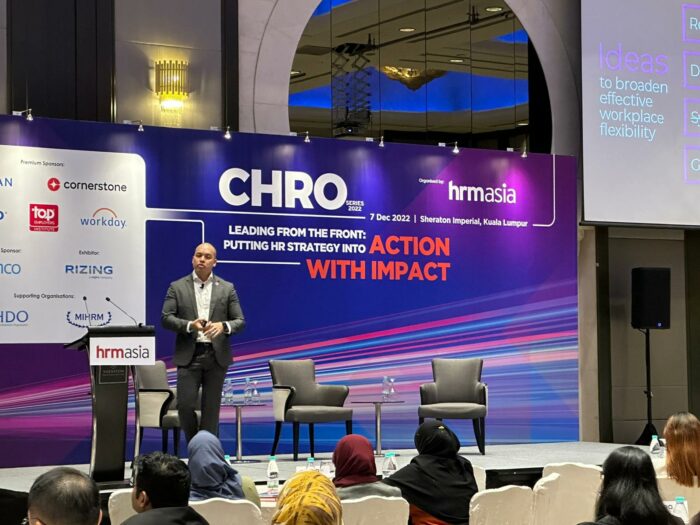
Organised by HRM Asia, CHRO Series Malaysia will address how CHROs can navigate their organisations through the challenges in a post-pandemic era.
Increase in remote work drives businesses to move out of Tokyo

In addition to achieving increased productivity, relocation also ensures business continuity in the event of a major disaster occurring in the city centre.
Employers in Hong Kong prioritising employee retention in 2023

Introducing hybrid work policies and increasing investment in the upskilling of employees are some of the key strategies to retain talent in the new year.
Career trends that will shape the workplace in 2023

Among the career trends that are expected to gain traction next year are flexible work arrangements, and four-day work weeks.
WFH policy in the Philippines spurs demand for office spaces

More businesses in the Philippines are expanding to provincial locations and establishing offices outside Metro Manila.
Wages prove that paper qualification matters in Singapore

The average starting salary of a university graduate is now almost twice that of an ITE graduate, and this gap persists over their lifetimes.
Gender equity for women in Australia requires more action

Health, meaningful employment, a decent income, and an adequate level of wealth are factors to enable individuals to participate and contribute to society.
UK rolls out new initiative for flexible work

In a new government initiative to make flexible working the default, employees in the UK will have more control over when, where, and how they work.
Why CHROS are focusing on human capital management in 2023
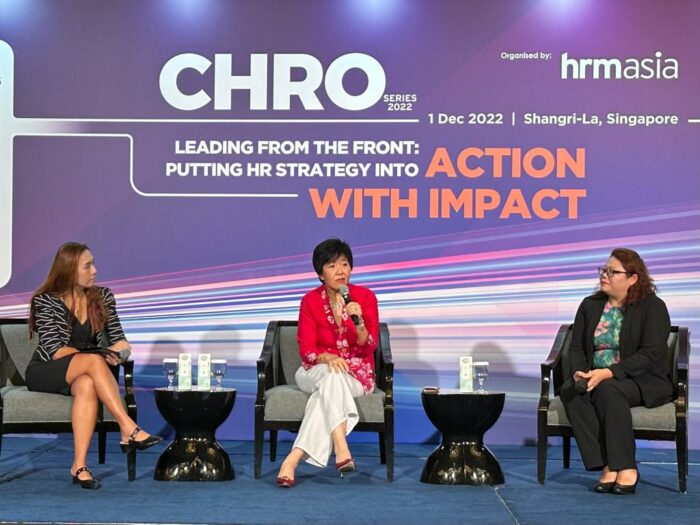
Attracting, managing, and retaining talent was a key discussion point at HRM Asia’s CHRO Series Singapore 2022, which took place on December 1.
Workplace harassment continues to impact employees in Australia

Employers must do more to eradicate workplace harassment in their organisations, said the Australian Human Rights Commission.