

Low-income workers hardest hit by drop in global wages

Driven by raising inflation, the decline in wages marks the first instance of negative growth this century, said the ILO.
Keep your best talent by building an inclusive culture

Underperformance on DEI could have an adverse impact on organisations when it comes to recruitment and retention.
Is the UK ready to embrace the four-day workweek?

After a successful trial, 100 companies in the UK have decided to adopt the four-day workweek on a permanent basis.
Employment in Singapore rose for second consecutive year
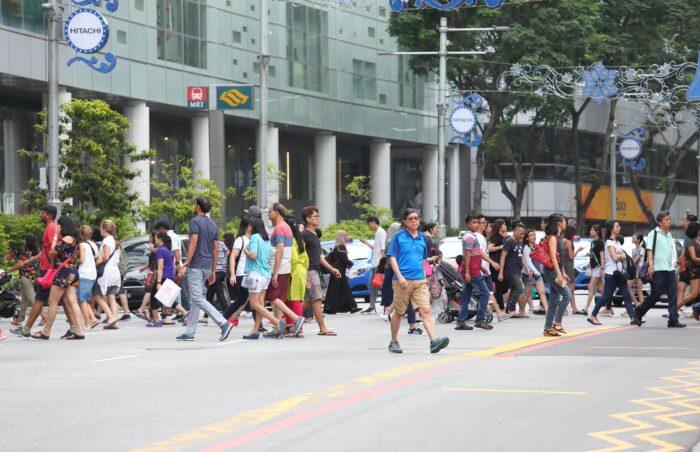
While real median income increased from 2021, growth was tempered by the continuing impact of high inflation.
Digital platform provides growth opportunities for Indonesia’s MSMEs

The government is aiming to bring at least 30 million MSMEs onboard the digital ecosystem by 2024 and to nurture more digital talents.
Most Australians want a four-day workweek

Employees in the country are convinced about the benefits of a shortened workweek and employers are ready to oblige.
Earning power peaks at age 42 in South Korea

On average, employees in South Korea start to earn more than they spend at age 27, before this turns into a deficit at age 61.
Snapchat wants employees back in office

By the end of February 2023, Snapchat employees will be required to physically return to the office for at least four days a week.
Eliminating discrimination against female employees in the Philippines

A new bill strengthens the anti-discrimination provisions under the Labour Code of the Philippines to safeguard female employees.
Tight jobs market in Japan keeps upward pressure on wages

The government is also continuing to introduce measures to encourage employers to increase wages for their employees.
Australia set to pass bill supporting multi-employer bargaining

When introduced, the new legislation will allow employees from across different workplaces to collectively negotiate pay rises.
Jobs creation should be prioritised over wage hikes in the Philippines

The Employers’ Confederation of the Philippines has called on the government to provide more inclusive measures to manage economic problems.
What CHROs can do to shape the world of work in 2023

Taking place on December 1, the CHRO Series Singapore will discuss topics such as building a talent management strategy that embraces innovation.
More companies in Australia adopting flexible work arrangements

Offering flexibility at work is helping drive gender equality in Australia’s workplaces, says the Workplace Gender Equality Agency.
Uber Eats delivery staff in Tokyo granted worker status

Uber Eats is challenging the decision, maintaining that delivery staff are not part of the labour force but are customers using the platform’s service.
APAC job markets post modest recovery in 2022

While Asia-Pacific labour markets recorded a partial rebound from the pandemic, 2023 is expected to present challenges hindering a full recovery.
Singapore urges employees to upskill in industries facing disruption

For mid-career employees, learning new skills has become increasingly important, and upskilling shows employers their willingness to learn.
Australia urged to consider relevancy of long-service leave

In line with the current challenge of attracting and retaining the best talent, employers should consider strategies that address employees’ current needs.
Remote employees in Japan less likely to be depressed

In the government’s 2022 whitepaper, it was concluded that remote employees had more sleep hours, which reduces depression and anxiety.
The Philippines mulls subsidy for 13th month pay

In the Philippines, all businesses are obligated to pay their employees their 13th month’s salary by December 24, 2022.
Taiwan doles out NT$1.35 billion to cover workers’ wage hikes

The wage subsidies are available to local businesses experiencing revenue decline of 10% or more due to the pandemic.
Gig workers in Singapore to benefit from national savings scheme

This represents on-going efforts to provider better protection for the growing number of platform workers in the country.
Employees in Australia failing to achieve work-life balance

Employees in Australia are clocking six weeks of unpaid overtime hours each year and are finding it hard to disconnect from work.
Majority of employers in Malaysia raised salaries in 2022

Employees can also expect their salaries to be further raised in 2023, predicted the Malaysian Employers Federation.
How female employees can gain the recognition they deserve

The World Economic Forum provides some tips for women to pitch ideas to management and claim credit for what they do in the workplace.
Employee benefits strategy key to talent retention

Companies operating in the Asia-Pacific region recognise that they need to improve their employee benefits strategy to hire and retain top talent.
Emotional adaptability can help boost creativity at work

By developing creative employees, organisations can help boost business productivity in more conventional roles like accounting and data analytics.
Addressing the health concerns of female employees in Australia

A number of unions are gearing up to campaign for both menstrual and menopause leave for female employees.
Organisations should take a people-first approach to attract talent

Ways to foster attractive workplaces include leveraging flexible work options to provide employees with more autonomy.
Men in Japan urged to lead change for workplace gender equality

A project has been launched in Japan to encourage men to take the lead in eliminating gender disparities in workplaces.