

Cambodia plans third co-financing scheme for SMEs

The government will, through the state-run SME Bank, offer US$250 million worth of loans to SMEs in the country.
November saw employment continue to rise in South Korea
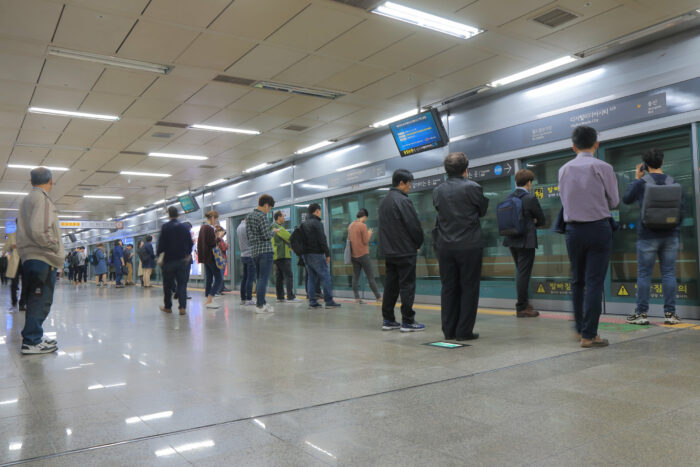
However, jobs addition fell below 600,000 for the first time in three months, which was attributed to the resurgence of the COVID-19 outbreak.
China’s urban areas saw 12.07 million jobs created

A total of 12.07 million new jobs were created in urban areas across China from January to November this year, outperforming the 11.00 million target set.
Thailand expects digital finance to boost economic growth in 2022

The digital finance service is part of a smart payment infrastructure connecting government agencies, lenders and businesses with digital technology.
Singapore’s resident employment grew in Q3
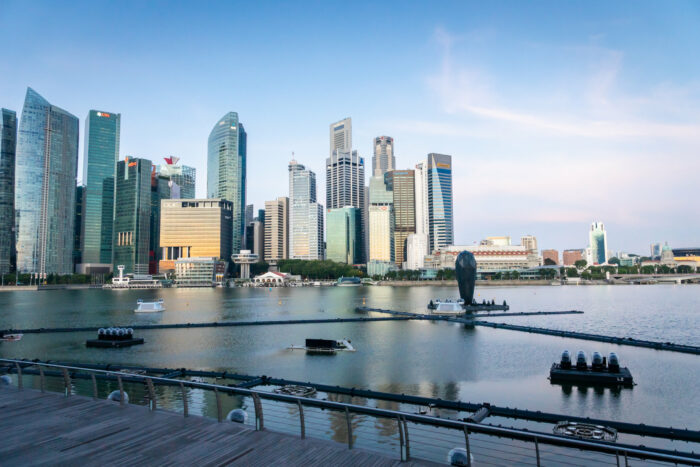
Resident employment grew by 19,100 in Q3 but, at the same time, non-resident employment fell by 21,500, said the Ministry of Manpower (MOM).
Younger workers in South Korea face greater employment woes

Workers who had graduated from college or high school less than a year ago were found to face more difficulty finding jobs.
Malaysia mulls enacting new regulations for gig sector
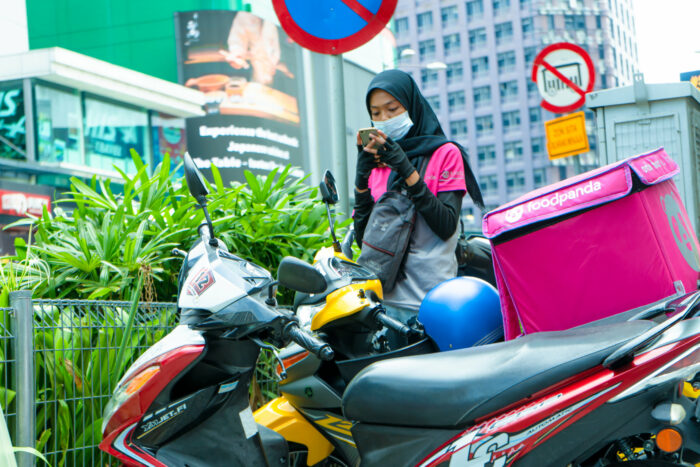
New legislation is being considered to protect and safeguard the welfare and safety of workers in the gig sector.
Thailand allocates 2.4 billion baht for digital initiatives

One of the projects is an identification programme, aimed at helping SMEs access government e-services and promoted government projects.
WFH no longer default arrangement in Singapore

From January 1 next year, up to 50% of employees who can work from home will be allowed to return to the office.
Major Japan business lobby says it will not set wage hike goal for businesses

However, the group will still encourage companies that have recovered their earnings to raise wages in line with government recommendations.
Indonesia to implement job-loss insurance in 2022
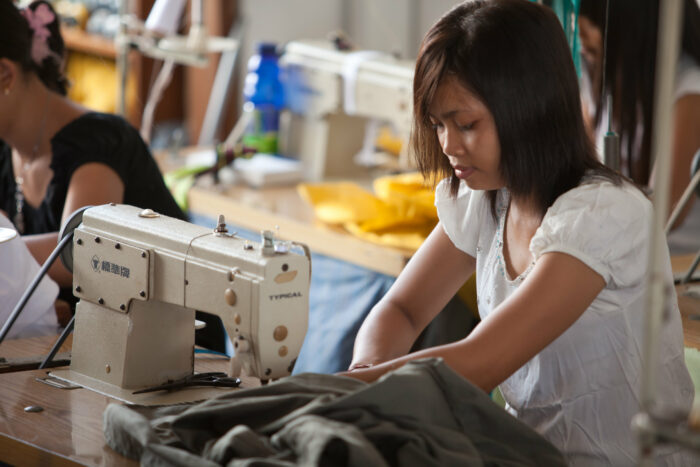
The government is committed to implementing the Job Loss Insurance (JKP) programme, commencing 2022, said the Manpower Ministry.
Gig jobs see growing popularity in South Korea

There are about 220,000 people working as gig workers for online platforms, which account for 8.5% of the country’s total workers.
Singapore prepares for employees’ return to office

About 97% of the labour force have been fully vaccinated against COVID-19 with about 75,000 workers still unvaccinated as of December 5.
Malaysia launches three new HR initiatives

Under the purview of the HR ministry, these initiatives aim to build sustainable human capital in Malaysia.
Prenatal leave sought for working fathers-to-be in Taiwan

Democratic Progressive Party legislator Fan Yun has called on the government to grant expectant fathers a week of prenatal leave.
Most workers support COVID-19 vaccine and mask mandates

Workers who were most supportive of workplace vaccinations those who most likely to say that they would receive vaccinations to keep their jobs.
Malaysian union wants minimum wage to reflect cost of living
The Malaysian Trades Union Congress (MTUC) has called on the government to hike the minimum wage next year amid a rise in the cost of living.
Nine businesses in Singapore double paid paternity leave from 2022

Fathers who work in these firms will be able to enjoy four weeks of paternity leave, an increase from two weeks under current regulations.
Majority of Japanese companies to freeze or cut wages next year

About 54% of companies plan to keep salaries, including bonuses, unchanged next fiscal year, 4% plan to cut them and 42% expect to raise wages.
One in three Australian employers have fired unvaccinated workers

The survey of 760 human resource professionals also showed that 85% of workers in workplaces with vaccine mandates supported them.
Malaysia registers lowest unemployment rate since last April

The jobless rate in the country dropped to 4.3% in October, falling 0.2 percentage point month-on-month and was the lowest since April 2020.
Concern over 7 million underemployed workers in the Philippines

This is defined by the Department of Labour and Employment as workers in part-time roles looking for longer working hours or higher-paying jobs.
Singapore identifies core skills required for selected sectors

The “priority skills” workers need to have for the next three years are in the key growth areas of the digital, green and care sectors.
Australia funds A$10 million data tool to plug skills gap

The government hopes the tool can help ensure workforce policy and industry-specific workforce plans are data-driven.
Job-creation programme addresses unemployment in the Philippines

To help people displaced by the pandemic, the Department of Public Works and Highways (DPWH) has launched a job-creation programme.
Cambodia ramps up credit financing for SMEs to US$140 million

As of November 30, 790 SMEs in the country have received financial support, amounting to US$99.8 million in loans.
More Malaysian companies raising employees’ salaries

More employers are increasing the wages of their employees this year compared with 2020, reflecting a positive business recovery in the country.
Increased demand for data and digital skills in Australia

In the next five years, more than nine out of 10 jobs in the country will also require post-school qualifications.
HR playing a key role in building sustainable enterprises

IHRP’s “The People Behind People Forum” recognises the contributions of Singapore’s HR community to wellbeing and business continuity.
Japan incentivises salary hikes with tax deduction

The government is encouraging smaller companies to raise staff salaries with tax deductions of up to 40%, and 30% for bigger companies.