

Non-wage benefits considered in the Philippines

The Philippines’ labour department eyes private sector assistance for worker benefits to alleviate rising cost of living.
150,000 found jobs through Malaysian government initiative

Up till June 2022, more than 150,000 people have obtained employment through the Malaysian Family Job Guarantee Initiative.
India’s DMEO pushes for Gender Budgeting Act

This includes legally mandating all data-collecting institutions to analyse and publish gender-disaggregated statistics to reduce gender inequality.
Singapore enhances mental health support at workplaces

The national task force on mental health will focus on stepping up resources for employees in the workplace.
Malaysia sets sustainability vision with ESG goals
ESG-focused development programmes and projects will be prioritised in the country’s Budget 2023, according to the finance minister.
Going Green can help generate more jobs in ASEAN

A green recovery from the pandemic could create US$172 billion in investment opportunities annually and generate more than 30 million jobs by 2030.
Vietnam’s unemployment numbers continue to decline

Over the first half of 2022, there were around 410,300 people aged 15 – 24 without a job, which comprised 36.8% of the total figure.
More employees in Japan returning to the office

A recent survey has shown that more than 70% of Japanese companies are currently not implementing working from home for their employees.
Singapore aims to retrain at least half a million mid-career workers a year
The country must overcome an asymmetry of information to spark the interest of working adults in reskilling and upskilling, said the education minister.
China offers support to enterprises and self-employed businesses

Chinese ministries have rolled out a raft of support policies that focus on cutting fees and taxes, as well as provide employment skills training.
Greater clarity urged for flexi-work terms in Malaysia

Malaysia recently announced that workers could apply for flexible working arrangements with their companies from September 1.
Cambodian labour unions want minimum wage hike
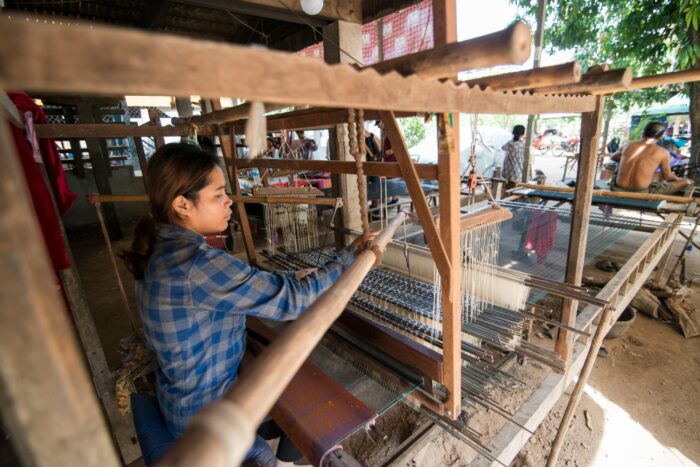
Labour unions have quoted US$204-214 as the minimum wage for the textile, garment, footwear, bags and travel goods sectors in 2023.
Malaysia launches digital initiative to strengthen digital capabilities

Among other objectives, the new scheme will aim to develop more talents to support the country’s digital workforce.
Employees in Singapore intend to work longer
The top reasons for wanting to remain employed are to stay active, have a sense of purpose, maintain social connections, and save up for old age.
Employees in the Philippines to receive upskilling opportunities

Firms are encouraged to tap into Philippine Skills Framework to help their employees improve their hard and soft skills.
How HR can play a leading role with Gen Z

Yvonne Teo, Vice-President, HR, Asia-Pacific, ADP, discusses how HR can lead a new generation of Gen Z employees in the workplace.
Employees in Thailand in line for higher salaries
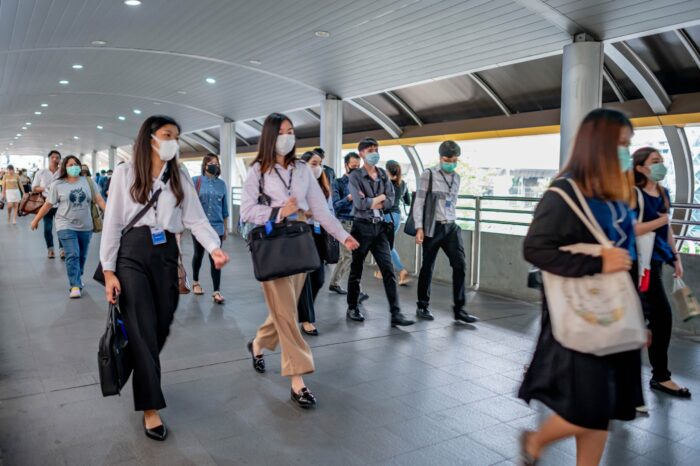
The government will seek wage increases for private-sector employees to help them cope with rising costs due to higher inflation.
South Korea trials sickness benefits for workers

The programme entails providing sick pay to workers who need to go on unpaid leave for injuries that occurred outside the workplace.
Cambodia prepares workers for retirement

The labour and finance ministries are set to implement a pension plan under the Labour Law that will benefit both private and public workers.
Why compensation is vital in the Great Employee Reset

An integrated compensations and benefit strategy could be the key for organisations to retain their best talent, BIPO highlights.
Indonesian ministry backs maternity leave provision of six months

Sufficient leave would help mothers spend more time to stimulate their children, which can support the child’s growth and development, says Kemenko PMK.
Workers in Australia found more job opportunities in May quarter

Job vacancies in the three months to May jumped 13.8%, from the previous quarter, to 480,100, according to Australian Bureau of Statistics (ABS).
Malaysia studies feasibility of four-day work week

More thought must go into how this working arrangement can work, says the country’s Public Service Department.
South Korea finalises minimum wage for 2023
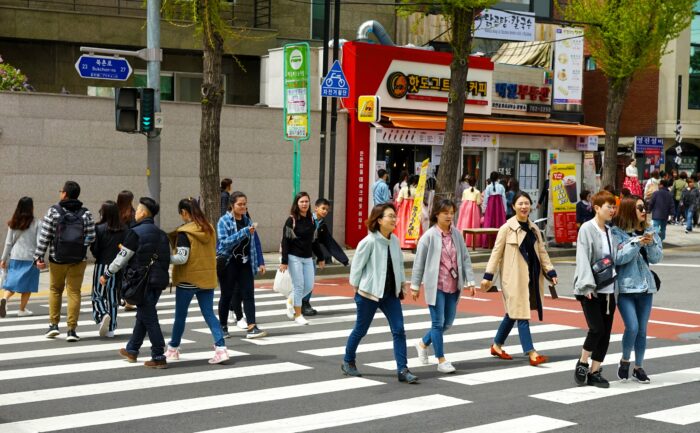
The Minimum Wage Commission has agreed on a minimum hourly wage increase of 5% to 9,620 won (US$7.40) for next year.
Building a global workforce by employing talent anywhere
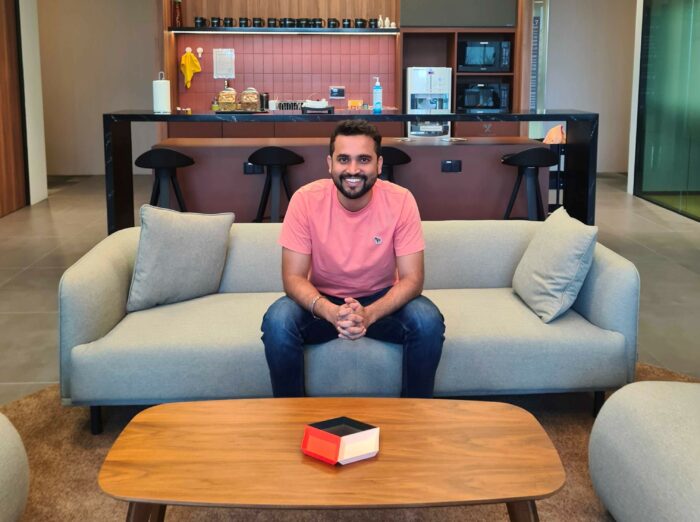
Sagar Khatri, Co-Founder and CEO of Multiplier, highlights how the company is supporting the employment of work teams internationally.
Singapore’s unemployment rate close to pre-COVID levels
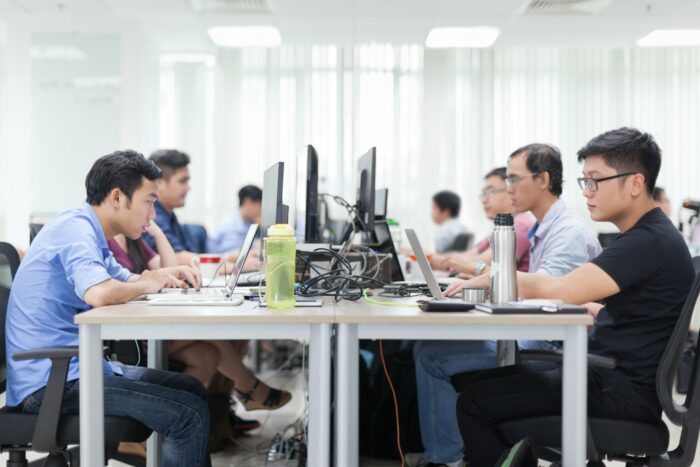
Employment in the city-state expanded by 42,000 in Q1’2022, with 85% of that coming from non-residents, reported the Manpower Minister.
New labour laws in India to bring workplace transformation

New labour codes will potentially transform work culture, affecting working hours, salaries, leave and flexible work arrangements.
Australia mulls increasing parental leave for working fathers

Currently, the primary caregiver in a relationship receives 18 weeks of paid leave at the minimum wage, while fathers receive just two weeks of paid leave.
Indonesia empowers women in the workforce

The government is supporting MSMEs led by women by providing easier access to funding for both capital and product development.
Companies in South Korea urged to refrain from wage hikes
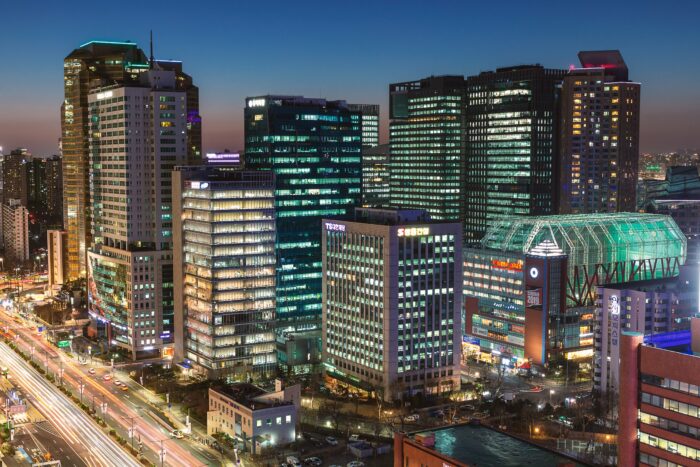
Increasing wages would add to the woes of small business owners during the economic downturn, cautioned a major business lobby group.