

Six must-ask questions for a mid-year HR tech review

Steve Boese highlights key questions organisations should ask themselves when reviewing their HR technology solutions.
More workers in India joining gig economy

India’s gig economy currents employs about 7.7 million people and is set to nearly triple to 23.5 million workers by 2029-30.
Gen Z workers in Singapore most likely to switch jobs

While renumeration is still important to retain talent, employees are increasingly looking at other factors, including transparency and flexible work.
Beijing focuses on employment in new policy package
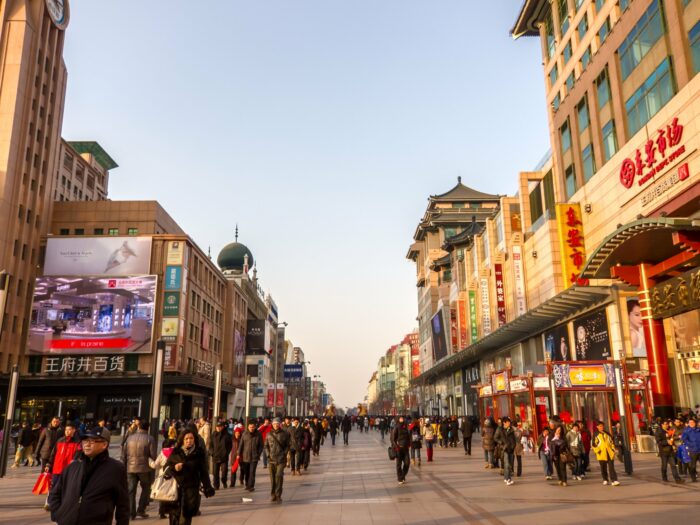
This aims to increase and stabilise employment in key sectors and expand relevant subsidies for college graduates and other key target groups.
Jobseekers in Australia with accrued demerits offered clean slate

Under the new Workforce Australia scheme, new criteria have been set for jobseekers to continue receiving government support.
Flexible work arrangements could create job opportunities in Malaysia

Employers can tap a huge labour force that includes women and university students not able to work full time, says former minister.
Tech workers in India continue with WFH practice

With most companies adopting hybrid work, employers fear that ordering employees back to the office may trigger a wave of resignations.
Women in Australia under-represented in workplace leadership

Australian women are more educated and qualified than men, but are under-represented in leadership positions and workforce participation.
Top business leaders believe ESG is a necessity
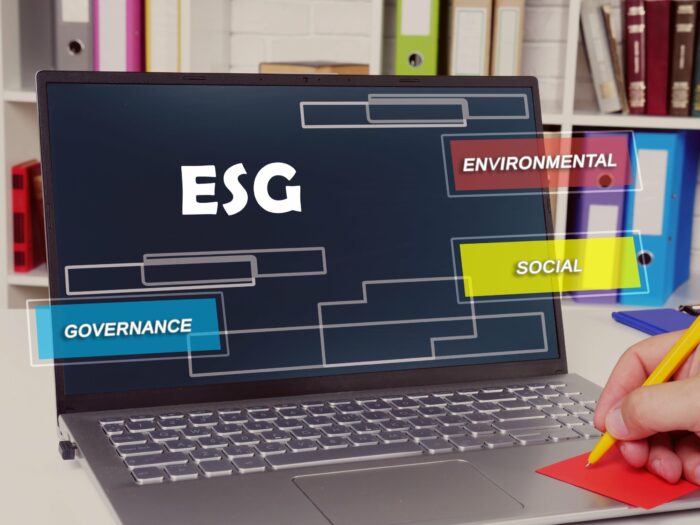
Despite the higher initial costs required, many top executives expect more organsiations to adopt more ESG practices.
Employers in Malaysia want to decide terms of flexi-work
Companies want to decide on the kind of flexible working arrangements that meet their needs and not be dictated to about such arrangements.
Australia’s Queensland state scraps “maternity leave” term

The government hopes that the change in terms would promote gender inclusivity and encourage gender-neutral language.
Singapore provides small businesses with financial aid

More than 40,000 small businesses hit hard by the pandemic each received up to S$10,000 (US$7,211) last week as part of a government grant.
Could upskilling help solve skills gaps in Singapore?

ADP’s new report shows that Singapore’s workers want more training as organisations look to close skills gaps
Japan encourages firms to let workers take up side gigs

The government hopes that the move will help foster greater diversity in the country’s work practices and encourage talent to move into growth areas.
Some Australian businesses struggle to find suitable staff

About 31% of employing businesses are having difficulty finding suitable staff, according to the Australian Bureau of Statistics (ABS).
Employees in Malaysia offered flexible work options

From September 1, employees can submit written applications that can cover changes in working hours, working days and also the place of work.
Overtime to be calculated on a monthly basis in South Korea

The incoming government will address the country’s 52-hour workweek policy and the seniority-based pay models adopted by most companies.
Thailand provides SMEs with streamlined access to public services

A new platform aimed at streamlining procedures is expected to benefit over three million SMEs in the country.
Malaysian SMEs oppose 4-day workweek
A four-day work week is not practical as Malaysia is currently facing low productivity and labour problems, businesses argue.
Hunan province in China extends maternity leave
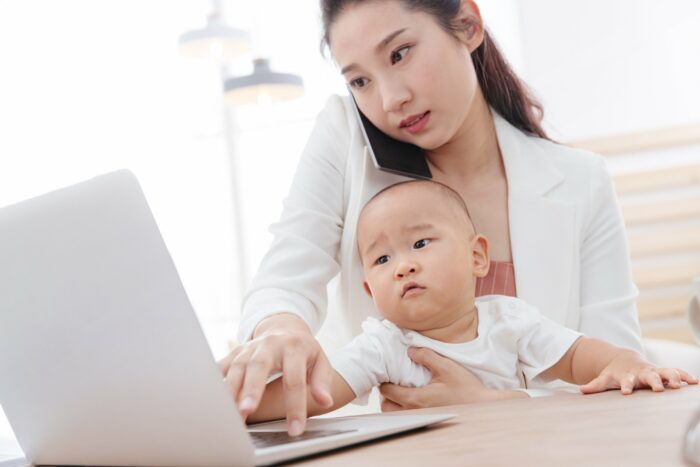
Working mothers who have used up their maternity leave can now apply for an extension of more days up until the child is one year old.
Civil servants in the Philippines offered flexible work options

Government agencies can now implement alternative work arrangements at any time for some 1.7 million employees regardless of their status of appointment.
Thailand increases efforts to raise employment

A new US$100 budget will finance job creation projects within the BCG (bio-, circular and green) space and will last for three months.
Starbucks brews up work-life integration
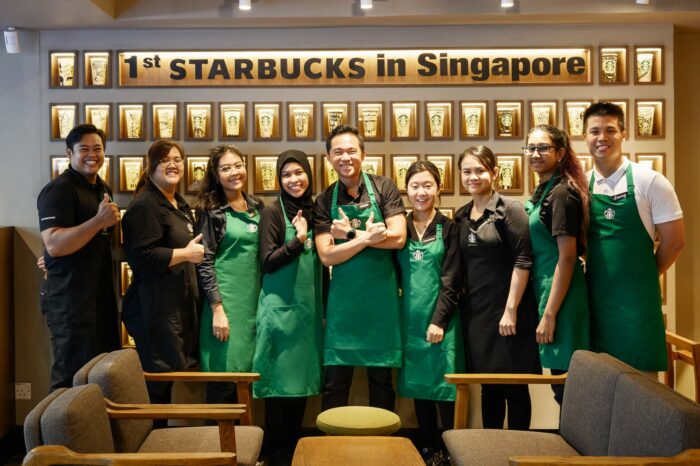
Patrick Kwok, General Manager, Starbucks Singapore, shares how employees are benefiting from the Starbucks Experience.
South Korean unions propose minimum wage rate

Labour representatives of the Minimum Wage Commission have proposed an hourly minimum wage of 10,890 won (US$8.4) for 2023.
China ramps up efforts to boost employment for fresh graduates

Initiatives include a series of pro-employment campaigns to move job interviews online and incentivising firms to increase their employee count.
Indonesian businesses object to proposed increase in parental leave

The Indonesian Employers Association (Apindo) has objected to new fathers being entitled to paternity leave for a maximum of 40 days.
Change work for good: Redefining the workforce experience

As the way we work continue to change and evolve, organisations are looking for more ways to build an interconnected and future-ready workforce.
Malaysia debates Bill that would ease trade union formation
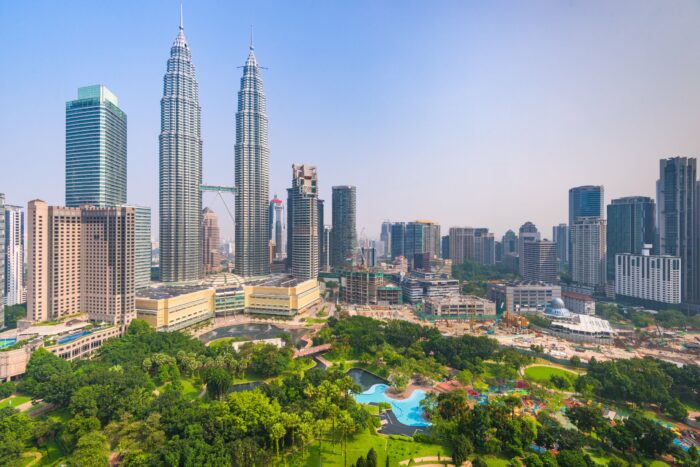
Too many unions at the workplace will deter international investment, said the Malaysian Employers Federation.
More companies in Thailand embrace hybrid working

While more employees in Asia-Pacific are returning to the office, many companies in Thailand are continuing hybrid work arrangements.
Singapore increases wage subsidies for selected employees
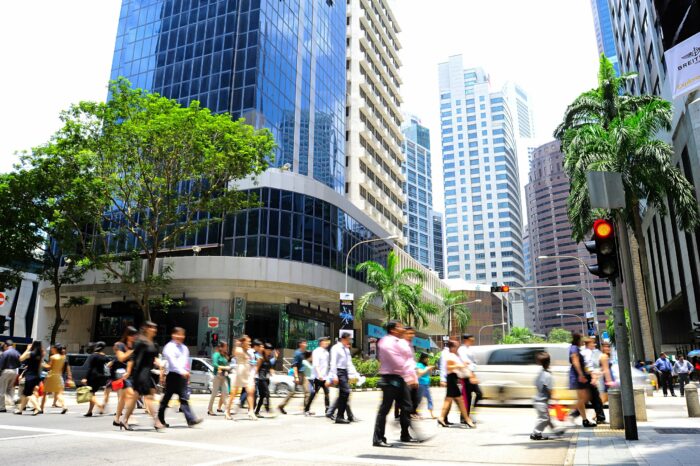
The government will increase its funding from 50% to 75% for resident employees with gross monthly wages up to S$2,500.