

Success of flexible working depends on both workers and firms

Employers in Singapore have also been urged to clearly communicate their expectations upfront and manage appraisals fairly based on work outcomes.
Hong Kong to roll out another round of pandemic subsidies

Chief Executive Carrie Lam has said that the government is preparing another round of subsidies for businesses impacted by the Omicron outbreaks.
Thailand raises maternity leave for public officials

The increase of maternity leave from three to six months is in line with the government’s policy of encouraging breastfeeding among mothers.
How to attract and retain the best talent

In a new e-book, Culture Amp highlights how the ‘Great Resignation’ is providing opportunities for organisations to rethink their talent strategy
Vietnam approves US$15.3 billion stimulus package

The package will help businesses and workers hit by the pandemic, revive an economy impacted by strict lockdowns, and increase infrastructure spending.
Firms in Malaysia encouraged firms to arrange workers’ vaccination

A public outreach programme provides a more controlled and easier way for workers to receive their booster shots.
Japan’s employers’ body supports wage increase

Companies which are making profits are encouraged to increase workers’ salaries during the upcoming wage negotiations.
Cambodia introduces COVID-19 protocols for businesses
These include what to do when staff test positive, how to perform risk assessment and inspections, and procedures for monitoring and evaluation.
More companies implementing 4-day workweek in Japan
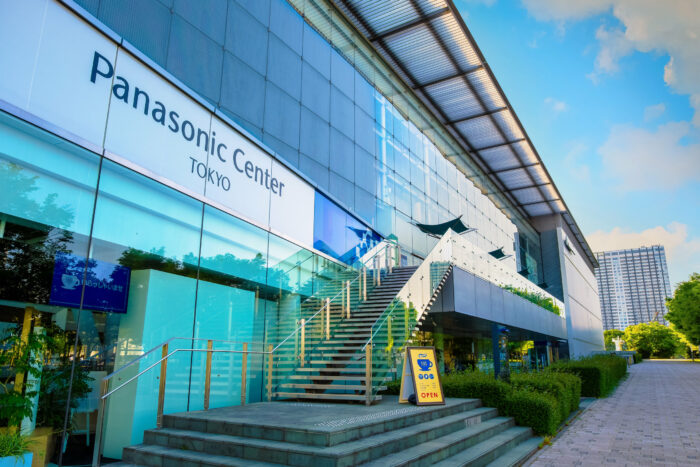
Panasonic Corp has joined a small, but growing, number of Japanese companies to offer staff a four-day workweek to encourage better work-life balance.
Singapore warns against legislating WFH arrangements

The country believes that the approach to workplace flexibility should be inclusive, as remote working is not practical for all types of workers.
Malaysia’s unemployment rate continues to drop
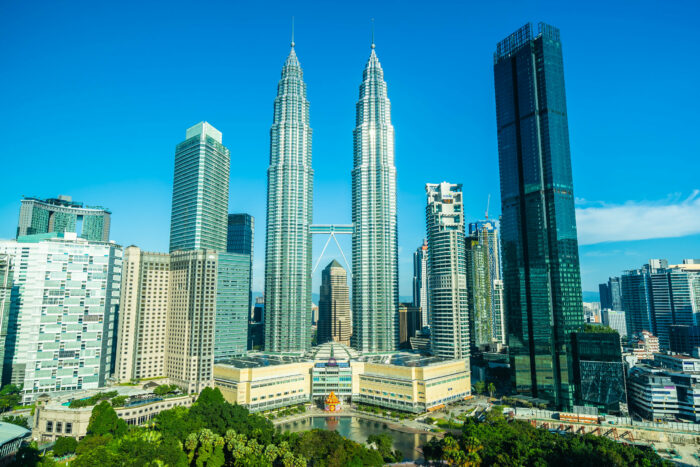
The number of unemployed persons fell below 700,000 in November, its lowest level since April 2020, according to the Department of Statistics.
Formal employment in India jumps by 0.2 million in July-September quarter

Over the period, 31 million jobs were created in sectors such as manufacturing and education, an increase from 30.8 million in the preceding quarter.
More than 30% of Japanese dads take parental leave

The ratio of eligible male workers who took childcare leave in fiscal 2020 exceeded 30% in 42 of the country’s 100 leading companies.
Singapore issued over $141,000 fines for workplace management breaches
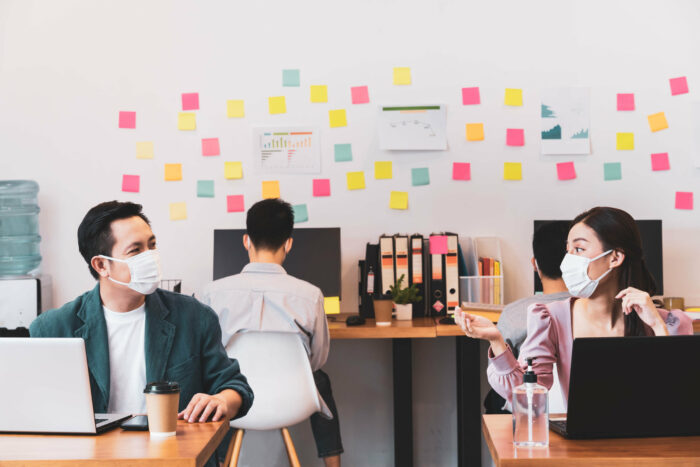
These include asking employees to return to the workplace when they can work from home, and not implementing sufficient safe distancing measures.
Most Malaysian MSMEs unable to afford minimum wage
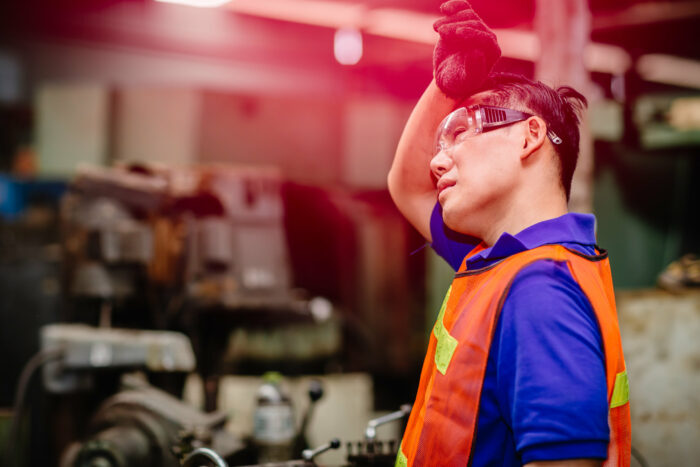
Most businesses are not ready to increase the minimum wage as they still have not recovered from the economic impact of the pandemic.
Companies in the Philippines urged to reskill and upskill workers

The government is focusing on sector development, identifying skills that are in demand and needed by industries as they adapt to pandemic-driven changes.
Himanshu Palsule named as new CEO of Cornerstone OnDemand

The appointment signals the next stage of growth for Cornerstone following the closing of Clearlake’s US$5.2 billion acquisition.
Singapore’s jobless rate continues to fall
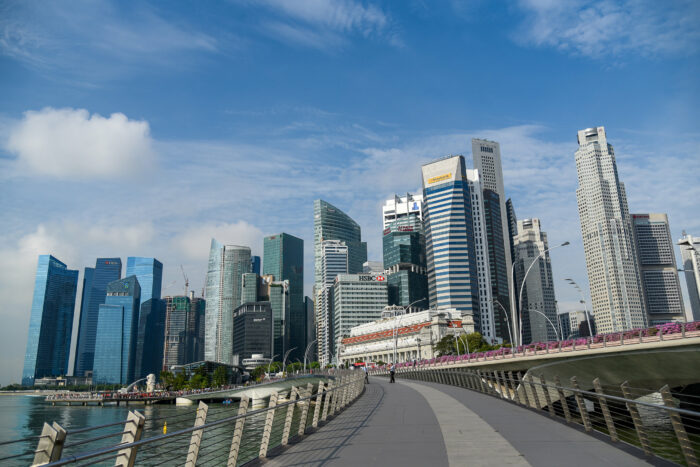
The overall unemployment rate fell to 2.5% in November from 2.6% the month before, statistics from the Manpower Ministry show.
Companies in Japan urged to innovate by business groups
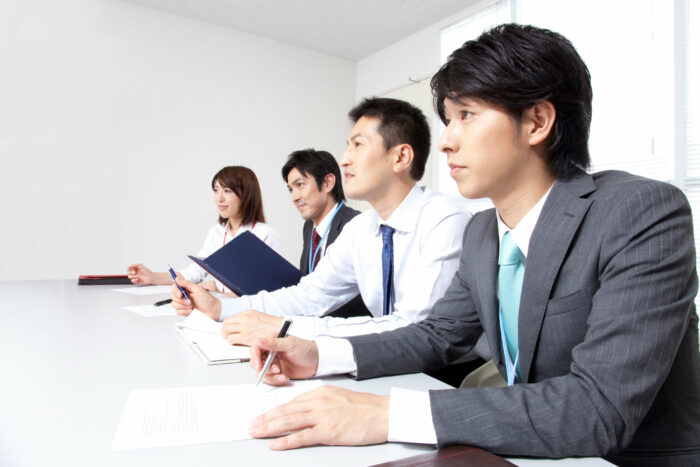
Japan’s major business organisations want companies to spur economic growth, and to view the pandemic as a business opportunity.
South Korea to provide new fiscal support for pandemic-hit firms

The government is planning to grant 40 trillion won (US$33.2 billion) of fresh funds to small firms and the self-employed before the Lunar New Year.
Firms in the Philippines encouraged to implement WFH

Government agencies also urged companies to provide sufficient assistance for individuals who are undergoing quarantine and isolation.
Japan PM renews call to reverse salary downtrend
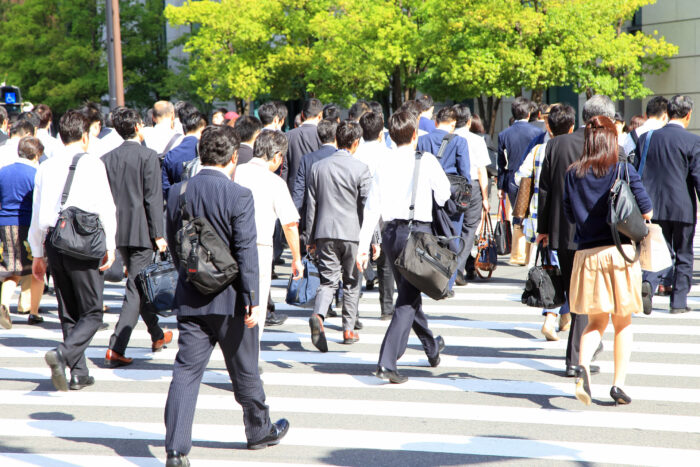
Prime Minister Fumio Kishida has reiterated his call to business groups and unions to “boldly reverse” a downtrend in workers’ wages.
China implements greater tax cuts and extends support for businesses

The government will also be increasing deductions for research and development expenses under businesses’ income tax filings.
Vietnam scales down fiscal stimulus package

A slimmer stimulus package of 347 trillion dong (US$15.2 billion) is being considered to lift the pandemic-hit economy.
South Korea aims to attract more skilled workers

A fast-track visa system for foreigners with a master or PhD degree in science and IT will guarantee legal status during their job search period.
India’s central government allows 50% of staff to WFH

Amid the recent surge in COVID-19 cases, the central government is allowing half of its employees below the rank of under secretary to work from home.
Singapore’s professional services sector told to redesign jobs

Job redesign and employee well-being will be key to retaining employees, says Indranee Rajah, Second Minister for Finance.
Indonesia sets out to address labour issues in 2022

Manpower Minister Ida Fauziyah has revealed resolutions to address labour issues, including breakthroughs to restore the national economy.
Malaysia urged to create more high-skilled jobs
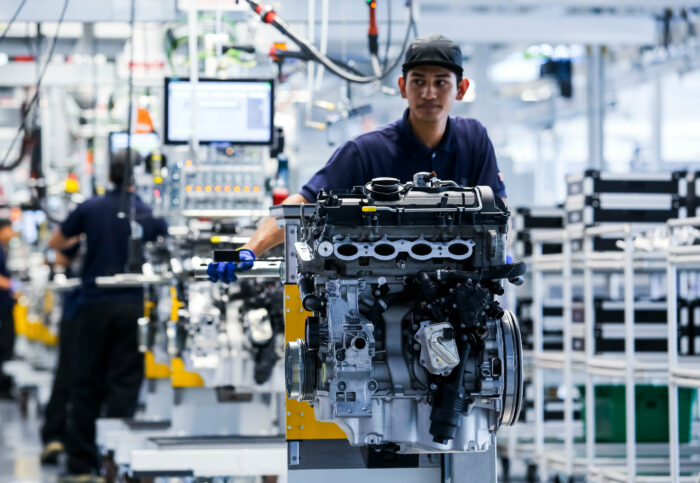
High-skilled jobs in the country remains at a low proportion, compared to other advanced economies such as Singapore.
South Korea raises minimum wage by 5.1% in 2022
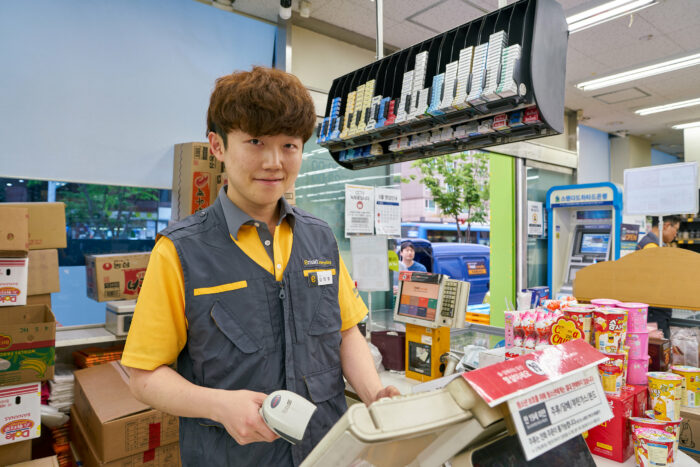
The minimum wage for 2022 has been set at 9,160 won (US$7.7) per hour, the first time it has exceeded 9,000 won (US$7.5).