

Thailand’s contract employees demand equal working benefits
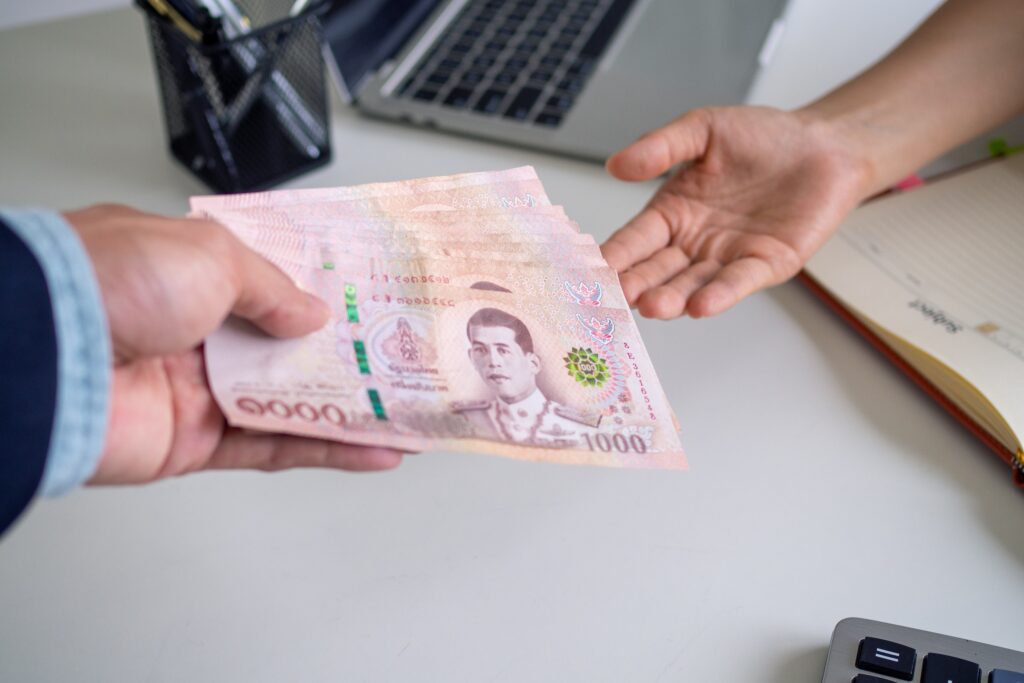
Labour groups in Thailand are supporting contract employees who want an end to short-term contract employment due to unequal treatment.
Employees in Myanmar see wages raise this October

To help employees cope with raising costs of living, Myanmar has raised the minimum wage for the first time since 2018.
Employers in the Philippines wary of wage hike’s cost impact

Employer groups argue that attracting investments and creating jobs instead of raising wages is a better strategy.
What organisations can do to bridge Australia’s gender pay divide

While top organisations have been successful in reducing pay gaps, disparities remain in the mining, retail, and professional sectors.
Wage hikes will be sustainable for businesses: Japanese PM
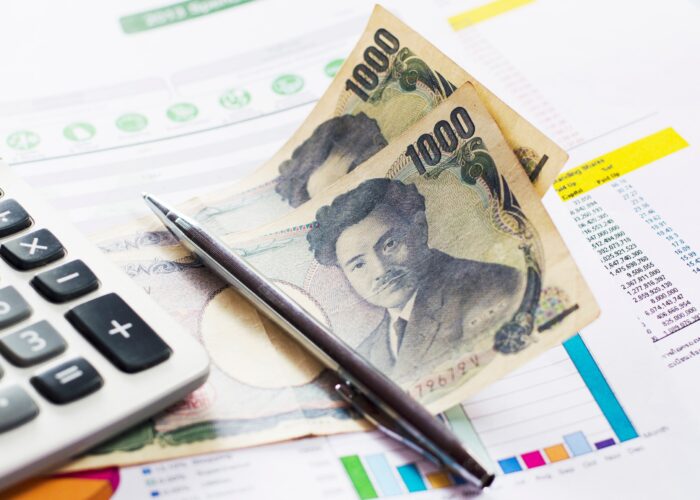
The Japanese government is focused on accelerating wage growth and has vowed more support to help businesses cope.
Proposed minimum wage hike in Thailand receives backlash

Economists and employer groups are cautioning that an excessive minimum wage raise will be detrimental for both employers and employees alike.
Small-sized firms slowing down employment of women in India

Bigger organisations are more likely to hire women in comparison to smaller ones, and one of the reasons is due to non-wage benefits.
Bridging the wage and skills gap in Singapore
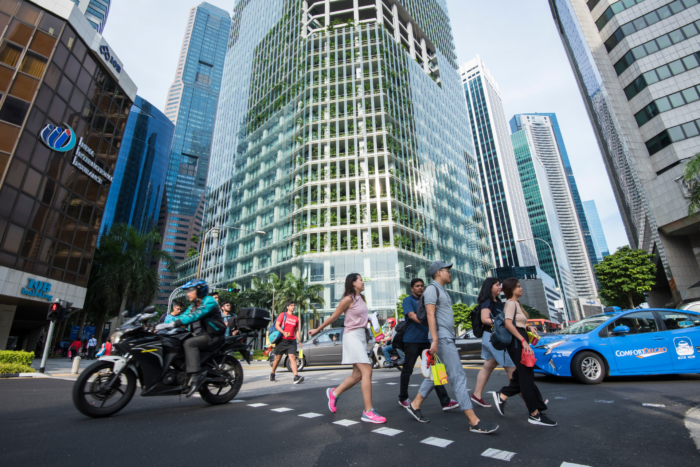
The labour movement has called for more support to help low-wage employees overcome respect issues, stagnant wages, and limited training opportunities.
A people-first focus for a connected workplace: HR Tech Fest Connect 2023

Asia’s largest HR and work tech conference examined post-pandemic workforce challenges and offered key insights for HR leaders to grow their organisation.
Skills upgrading drives new employment law in the Philippines

MSMEs are also set to benefit from the new law by receiving more support to invest in areas such as digital technologies.
Employers in Malaysia seek guidelines for wage policy implementation

More transparency is needed to ensure proposed cash incentives are not abused and are properly utilised, employers argue.
Why good employees in South-East Asia leave for overseas

More employees are seeking better career opportunities by moving overseas, and employers can do more to retain their best talent.
Singapore explores enhanced support system for the unemployed

More government-funded aid is in the pipeline to support displaced employees, with an emphasis on skills development and job search.
Malaysia encourages wage policy compliance with cash incentives

The Progressive Wage Policy aims to enhance workforce productivity through skills training, benefitting both employees and employers.
How mentorship can be key to performance management in firms

Performance management within organisations requires a personal touch, and employees and leaders can be empowered to take responsibility for the task.
Empowering HR leaders to build an engaged and resilient workforce
You can still register for the highly anticipated HR Tech Fest Connect 2023, which is taking place on Wednesday, September 2023!
Employees with differing needs seek supplementary employment in Japan

With encouragement from the government, two groups of employees have emerged as most likely to seek secondary jobs in Japan.
Employee wellbeing driving ACFA’s sweeping leave policy changes

The Australian Financial Complaints Authority (AFCA) aims to attract and retain the best talent by improving its employee benefits programme.
Pay overtime without fail or else, Taiwan employers warned

Employees working overtime must be compensated by getting overtime pay and not by other methods, says Taiwan’s Ministry of Labour.
Salary reconsideration required to attract top talent in Malaysia

Increasing living costs is pushing more employees to prioritise financial compensation as the main reason for accepting a job offer.
Flexible work can ease pressure on working caregivers in Singapore

As more employees assume caregiving responsibilities, they must be supported through flexible work and paid leave, says labour movement.
Income disparity hits record high in Hong Kong

While Hong Kong returns to pre-pandemic productivity levels, income for the lowest-earning employees is nearly 60 times less than the wealthy.
New measures to help parents in Singapore improve work-life balance

A proposed bill will double paternity leave and extend unpaid infant care leave, providing crucial support for new parents.
Employers in the Philippines urged to prioritise mental health

Offering more work flexibility and extra leave to employees when needed are some measures that can help improve employee wellbeing.
How people development continues to drive organisational success

Katerina Hanna, VP, Customer Success APJ, Ceridian, explains why creating meaningful moments of social connection remains a priority for people leaders.
Singapore disputes interpretation of minimum income standards

Three government ministries have questioned the findings of a new minimum wage study, saying that its research parameters are flawed
Public employees in Thailand given salary payment options

A new salary payment scheme was recently announced, which would have seen public employees paid every fortnight.
How organisations can provide the best (bene)fit for their employees

When looking for a partner to address the employees’ needs of their organisation, OLIVER Agency turned to Howden as their insurance brokerage firm.
Mass retrenchment the solution to productivity woes: Australian tycoon

The CEO of Gurner Group made controversial claims that for productivity to increase in Australia, half the working population should be made redundant.
Standard Chartered improves parental leave policy

Regardless of gender, employees who are parents are offered 20 weeks of paid leave to encourage a balanced approach to parenting.