

Formal employees in Malaysia see increase in median monthly wages
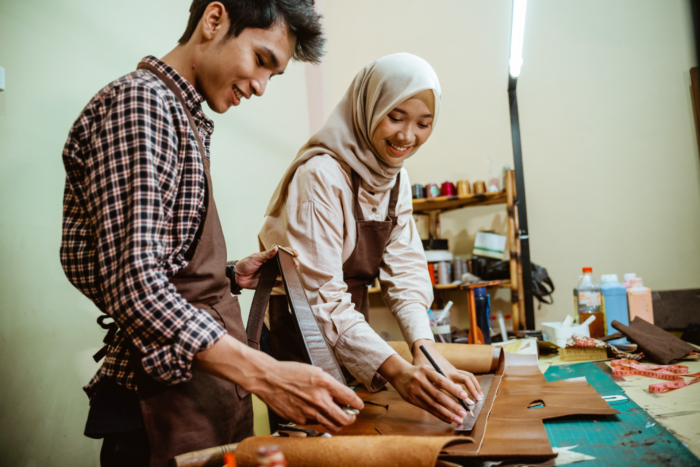
In March 2023, a formal workforce of 6.45 million saw male employees receive marginally higher salaries than their female counterparts.
The rise of millennials and Gen Z: What HR needs to know

HR expert Tasha Enright explains how organisations and HR departments can better relate to millennials and Gen Z employees in the workplace.
Over one in five employees in the Philippines seek new opportunities

Organisations should look beyond financial motivation by focusing on employee wellbeing in order to retain employees.
Fresh graduates in Hong Kong have more power to negotiate higher salary

As organisations look to attract and retain top talent, university graduates in Hong Kong saw an increase in their starting salaries in 2022.
Providing more supportive workplaces for working mothers

Policies that support working women and their families, such as paid maternity leave and lactation rooms, reduce absenteeism and improve retention.
Australia rolls out family violence leave for all employees

Small organisations’ employees now have the access to the same rights as employees working for large or medium organisations.
Getting women back to work by addressing childcare needs

The Malaysian government has been urged to invest in more childcare options to encourage more women to re-enter the workforce.
Japan expects to hit minimum wage milestone in 2023

The hike is seen as crucial for overall wage growth despite organisations struggling to secure employees amid a labour shortage.
Productive and happier, employees on four-day workweek declare

Organisations taking part in a four-day workweek trial have seen employees working less hours, without any compromise to their productivity.
Looking to hire? Try turning to former employees

Many employees in Singapore are willing to return to their previous employers if the conditions are right, and employers are welcoming them back.
Elevating wages key component of Malaysia’s new economy plan

Over the next decade, the government will focus on raising minimum wage to match costs of living, as well as increasing female workforce representation.
Retrenchments in Singapore dip amidst modest employment growth
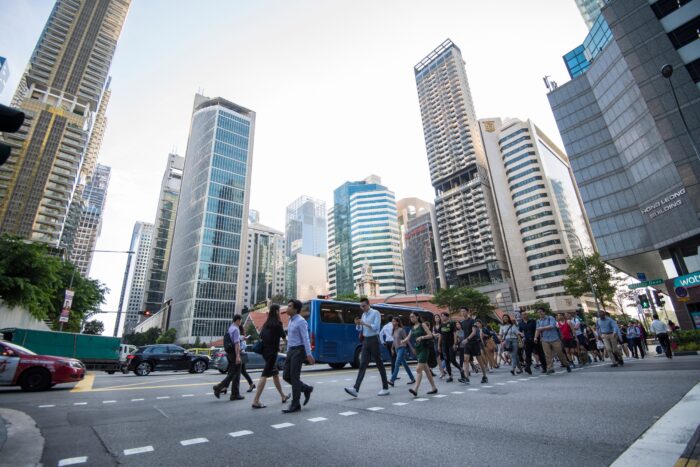
While the number of layoffs decreased after three consecutive quarters of increase, fewer companies are looking to hire over the next three months.
Organisations in Japan offer restricted stock to attract talent

Organisations like Sony and Renesas Electronics are turning employees into stakeholders to foster loyalty and drive organisational success.
Taiwan’s job market sees increased demand for AI-related roles

Demand for AI expertise is surging as employers seek individuals proficient in ChatGPT, Midjourney, and Stable Diffusion.
Rethinking employee benefits to attract and retain talent

As the talent war continues to intensify, employers in Malaysia are looking to invest in benefits that differentiate them from the competition.
Measuring social impact with a philanthropy framework

Singapore’s National Council of Social Service has created a new sustainable philanthropy guideline that guides organisations on their charitable work.
Minimum wage in South Korea set for hike in 2024

The minimum wage has been set at 9,860 won (US$7.80), resulting in a monthly salary of nearly 2.07 million won (US$1,638) for employees.
Nationwide wage hike remains on track in the Philippines

The Philippines’ Senate continues to consider nationwide wage hikes in response to public demand for fair compensation.
Employment among senior women grows in South Korea

As of June 2023, there are 1.91 million salaried women in their 60s in South Korea, which has contributed to a rise in female employment rates.
Singapore creates representation group to protect gig employees

A new set of recommendations aims to better resolve disagreements between gig employees and platform operators in 2024.
Pay remote employees more, says Australian union

The argument was made in response to a proposal by former Victorian Premier Jeff Kennett to reduce the salaries of public employees who work from home.
Malaysia proposes progressive wage model to bridge salary gap

As part of the proposed model, mandatory salary increments will be introduced annually to address wage inequality.
AI increases risk of unemployment in OECD countries

More must be done to help employees who may be adversely impacted as the use of AI in the workplace increases, says the OECD.
More employees in Singapore working unpaid hours

In the Asia-Pacific region, Singapore ranks high on the number of unpaid hours, leading to an unhealthy work-life balance for employees.
Improving mental health through mindfulness practice

Employees who take part in mindfulness exercises are less likely to experience anxiety and depression symptoms compared to those who do not.
Redefining of casual work in Australia spark concerns over flexibility and pay

Changes to casual work risk exclude individuals with regular work patterns, reducing flexibility and pay for university students, retirees, and others.
Concerns over inadequate retirement savings in Malaysia

Only 30% of active members and 18% of total members meet the Employees Provident Fund (EPF) retirement savings benchmark.
Inflation worries after minimum wage enforced in Malaysia

The country’s minimum wage enforcement raises inflation risk, but the government is aiming for wage-price balance to help cope with the cost of living.
How SMBs can use tech to make HR strategic

Stacey Harris shares some useful tips on how small-to-medium sized businesses can develop HR tech strategies that align with their business strategies.
One million employees in Metro Manila to receive pay hike
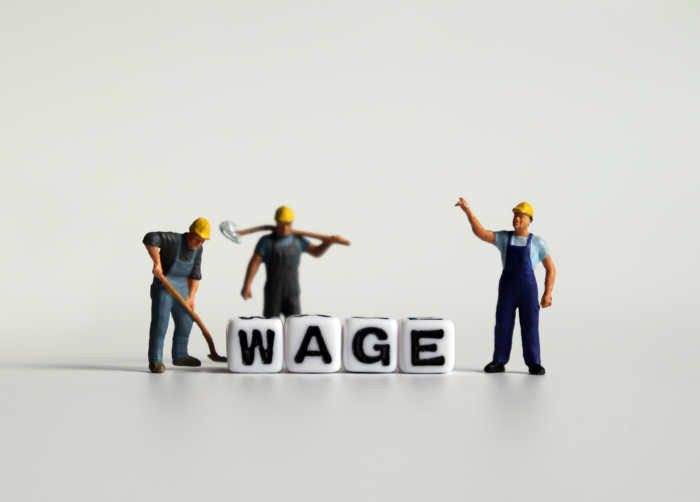
The daily minimum wage is set to increase from P570 to P610, benefitting non-agricultural employees who will earn the new rate starting 16 July 2023.