

Boosting youth employment with higher wages in the Philippines

The government has been urged to create better paying jobs for employees aged 15 to 30, who earn the lowest wages in the country.
10-day paid bereavement leave proposed in the Philippines

Workers in both private and public sectors may soon be granted a 10-day bereavement leave with full pay if a proposed bill becomes law.
Some workers in South Korea fear going on parental leave

Men were found to be more sensitive than women to negative perceptions toward using parental leave, according to a new survey.
Indonesia’s wage subsidy support to reach 16 million workers

The Ministry of Manpower is making efforts to ensure that the wage subsidy assistance (BSU) can start to be distributed this month.
2 Cents: Restructuring of work calls for a personalised approach

As work continues to evolve, a one-size-fits-all approach no longer works and organisations must exercise more flexibility to address employee needs.
Low-wage workers in Singapore to earn more
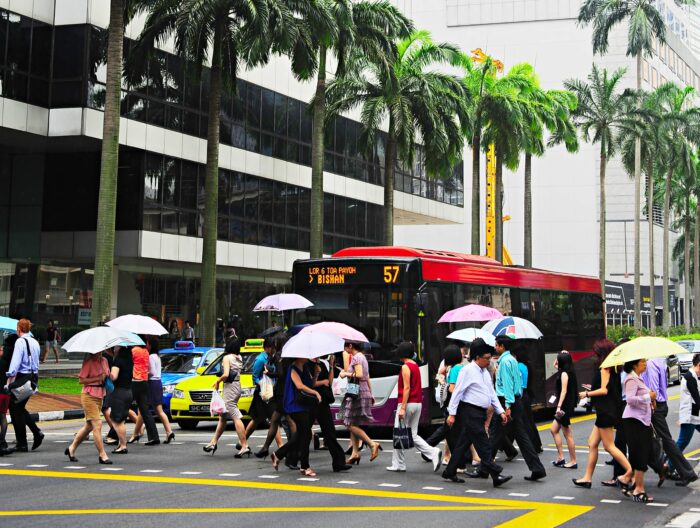
Before hiring any foreign worker, local employers will need to meet the requirement of paying all their local workers at least S$1,400.
New Zealand raises living wage to support low-wage workers

From September 1, the living wage in the country has increased by 90 cents to NZ$23.65 (US$14.5) an hour, although its implementation is not mandatory.
Increase of parental leave could potentially boost Australian economy

Unions have called for paid parental leave to be extended to 52 weeks, paying parents their actual wage and including superannuation.
Singapore sets up new workgroup for gig workers

The Tripartite Workgroup on Representation for Platform Workers (TWG) will propose a framework for representation of digital platform workers.
Employers in Malaysia not ready for new minimum wage

Although the country increased the national minimum wage to RM1,500 (US$334) from May 1, compliance by businesses remains low.
Attracting talent begins with pay transparency in job postings

A Gartner survey revealed that, over the last 12 months, almost 50% of jobseekers did not apply to roles without wages disclosed.
Most Taiwan firms reject proposed minimum wage hike

Many SMEs earn relatively low profits and would pass on the impact from a wage hike to their customers by raising product prices.
Australia debates merits of enterprise bargaining

Unions and the Business Council of Australia argue that this will result in employees being paid more in wages.
Employers in the Philippines seek review of old labour policies

Employers have called on the government to reform outdated regulations and rethink existing investment incentives towards investment-led economic growth.
South Korea plans subsidies for jobseekers and low-income groups

The government also plans to tap into state funds to alleviate the debts of the self-employed and smaller merchants.
Thai political party proposes gig workers union

The Thai Sang Thai Party has proposed setting up a labour union to improve welfare, benefits and offer training opportunities for gig workers.
Indonesian firms obligated to create wage structure
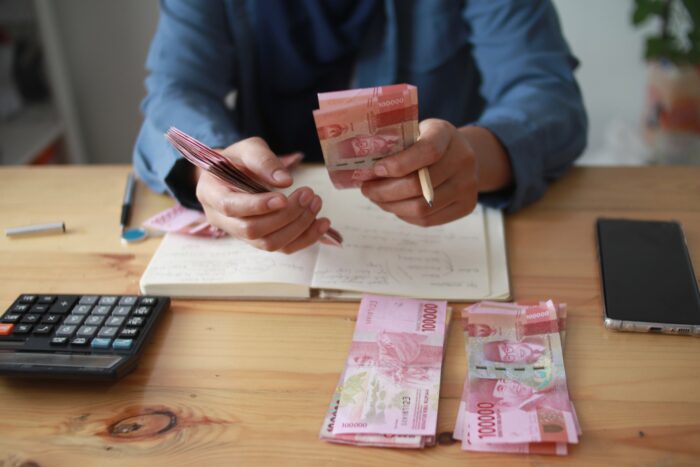
Besides serving as a guideline for businesses, the move will also bridge the gap between the lowest and highest earnings.
Industry stakeholders in India agree on allowances cap

After a review of India’s salary structure, a new Wage Code that considers the ratio of allowances against salaries will be implemented.
Companies in Indonesia urged to enhance work health and safety

The government has urged firms to implement the Work Safety and Health Management System (SMK3) to protect workers and enhance work productivity.
More than 10,000 businesses in Japan breached overtime laws

Japan’s labour ministry says it confirmed cases of illegal overtime work at more than 10,000 business places across Japan in fiscal 2021.
Australia urged to scrap tax cuts for wealthiest earners

Men are expected to receive AUD$160.6 billion of that money, while AUD$82.9 billion will go to women.
Japanese firms raising wages to attract workers

Despite increasing wages, digitalisation is seen as the most popular strategy among Japanese firms to address the labour crunch.
Taiwan trade group pushes for minimum wage hike cap
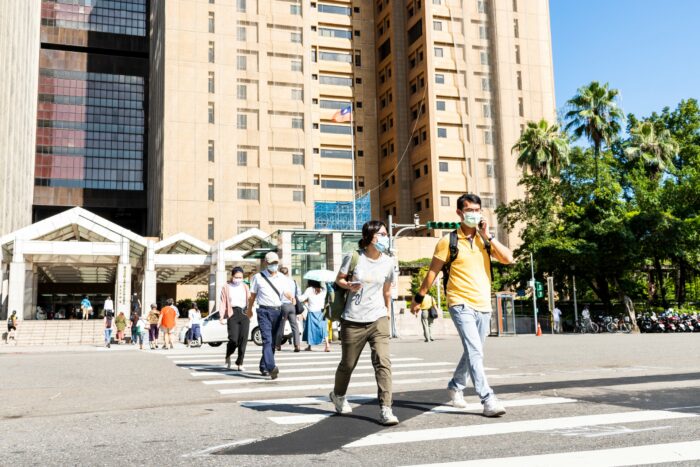
A larger increase might prompt companies to pass additional costs onto consumers, thus driving up prices.
Women’s job opportunities key focus of Australia’s job summit

Growing economic productivity, boosting wages and removing barriers to employment are among other topics that will be highlighted.
Profit growth at Japanese firms unlikely to translate to wage hike

Businesses are hesitant to raise wages amid the global economic outlook and increased risk of a global recession.
Redefining employee engagement with BI WORLDWIDE

Omar Hadoui, Managing Director, APAC, BI WORLDWIDE, discusses the modern rules of employee engagement to support talent retention.
Employers should have option of retaining retirees in the Philippines

The hiring and retaining of workers past retirement age should not be mandated and instead be left to the discretion of employers.
Chinese city facilitates return to work for moms

The Zhongshan city government in Guangdong province has introduced a series of incentives to support “working moms” reentering the workforce.
Lawmaker pushes for unemployment insurance in the Philippines

A new bill seeks to protect workers who have been laid off by providing assistance during periods of unemployment.
Australia union urges focus on wage growth and full employment

The Australia Council of Trade Unions (ACTU) has called for an economic restructure that bring benefits to Australians rather than firms.