

Why eradicating workplace harassment must be a priority

If left unchecked, workplace harassment can negatively impact employees’ mental health and hurt the bottom line of organisations.
Job seekers re-entering the workforce should consider modifying their CVs

Job applicants are more likely to receive a call back from an employer if their job histories specify years worked instead of employment dates.
In times of economic stress, pay practices take a front row seat

Josh Bersin explains why organisations need to start re-evaluating pay equity, transparency and pay practices.
UOB enhances employee experience with one unified HR platform

Since August 2022, the Workday HCM has been deployed across 14 markets, with plans to introduce it in five ASEAN markets in 2023.
Improving the hybrid work experience by redesigning offices

Organisations in APAC are looking to create an office work environment that will appeal to employees who prefer to work remotely.
Driving organisational growth by outsourcing payroll

Albert Liew, Managing Director, Singapore & Indochina, BIPO, details the key benefits payroll outsourcing can bring to organisations.
Looking ahead: What are the priorities for CHROs in 2023?
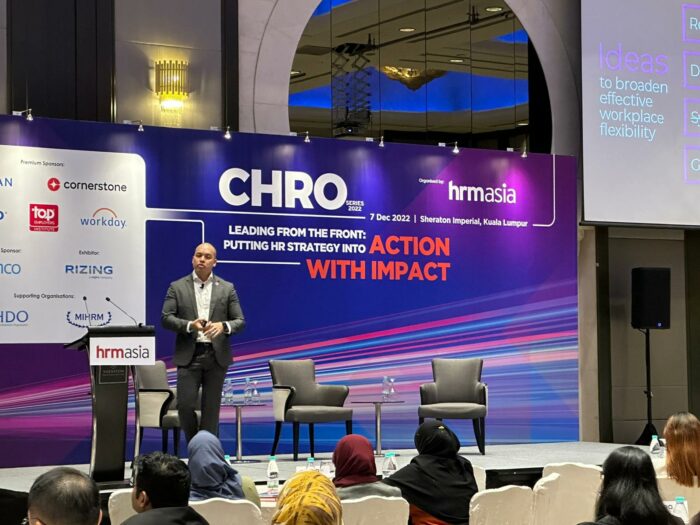
Organised by HRM Asia, CHRO Series Malaysia will address how CHROs can navigate their organisations through the challenges in a post-pandemic era.
Increase in remote work drives businesses to move out of Tokyo

In addition to achieving increased productivity, relocation also ensures business continuity in the event of a major disaster occurring in the city centre.
Employers in Hong Kong prioritising employee retention in 2023

Introducing hybrid work policies and increasing investment in the upskilling of employees are some of the key strategies to retain talent in the new year.
Career trends that will shape the workplace in 2023

Among the career trends that are expected to gain traction next year are flexible work arrangements, and four-day work weeks.
WFH policy in the Philippines spurs demand for office spaces

More businesses in the Philippines are expanding to provincial locations and establishing offices outside Metro Manila.
Gender equity for women in Australia requires more action

Health, meaningful employment, a decent income, and an adequate level of wealth are factors to enable individuals to participate and contribute to society.
UK rolls out new initiative for flexible work

In a new government initiative to make flexible working the default, employees in the UK will have more control over when, where, and how they work.
2 Cents: People-first approach a priority for HR in 2023

With people key for organisational success, attracting and retaining the best talent is on the agenda of every HR and business leader heading into 2023.
Why CHROS are focusing on human capital management in 2023
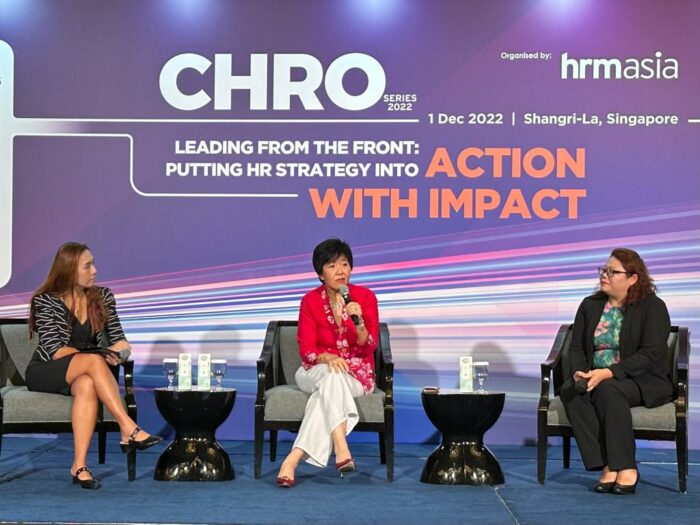
Attracting, managing, and retaining talent was a key discussion point at HRM Asia’s CHRO Series Singapore 2022, which took place on December 1.
Workplace harassment continues to impact employees in Australia

Employers must do more to eradicate workplace harassment in their organisations, said the Australian Human Rights Commission.
Low-income workers hardest hit by drop in global wages

Driven by raising inflation, the decline in wages marks the first instance of negative growth this century, said the ILO.
Keep your best talent by building an inclusive culture
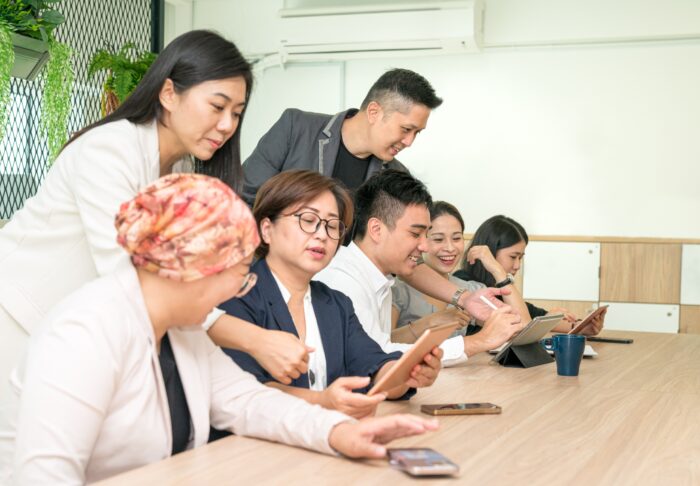
Underperformance on DEI could have an adverse impact on organisations when it comes to recruitment and retention.
Is the UK ready to embrace the four-day workweek?

After a successful trial, 100 companies in the UK have decided to adopt the four-day workweek on a permanent basis.
Engage, retain, and attract employees – by design

Dr C J Meadows explains why adopting a Design Thinking approach can help organisations create a great employee experience.
How the pandemic has accelerated the shift from HR to HD

HR is pivoting to Human Development (HD) with stakeholder management becoming more paramount than just delivering profits.
Most Australians want a four-day workweek

Employees in the country are convinced about the benefits of a shortened workweek and employers are ready to oblige.
Reigniting the global Asian leader agenda in 2023

Sunil Puri of the Centre for Creative Leadership (CCL), details the actions organisations must take to drive global Asian leader development initiatives.
Snapchat wants employees back in office

By the end of February 2023, Snapchat employees will be required to physically return to the office for at least four days a week.
Eliminating discrimination against female employees in the Philippines

A new bill strengthens the anti-discrimination provisions under the Labour Code of the Philippines to safeguard female employees.
Redesigning employee experience for the future of work

Mallory Loone, Co-Founder of Work Inspires, provides tips on how organisations can redesign the right employee experiences for their employees.
What CHROs can do to shape the world of work in 2023
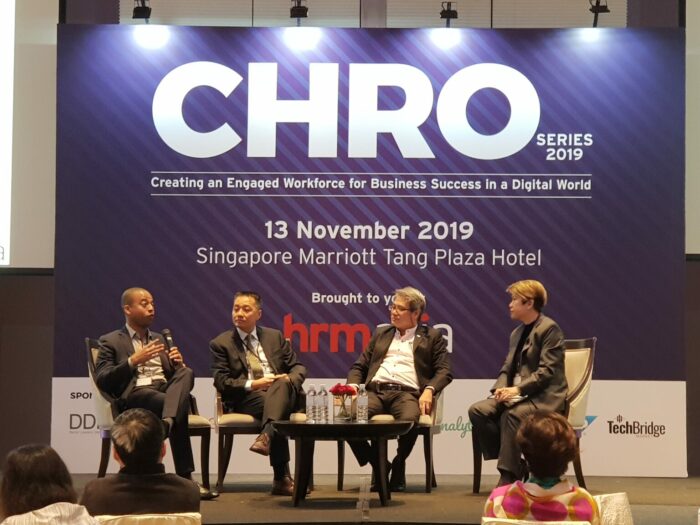
Taking place on December 1, the CHRO Series Singapore will discuss topics such as building a talent management strategy that embraces innovation.
More companies in Australia adopting flexible work arrangements

Offering flexibility at work is helping drive gender equality in Australia’s workplaces, says the Workplace Gender Equality Agency.
Be creative – How to break free from traditional learning

Docebo’s Gavin Russell explains why organisations must break free of traditional learning experiences to deliver the workforce of the future.
Australia urged to consider relevancy of long-service leave

In line with the current challenge of attracting and retaining the best talent, employers should consider strategies that address employees’ current needs.