
Sustainable growth a key focus for companies in South Korea
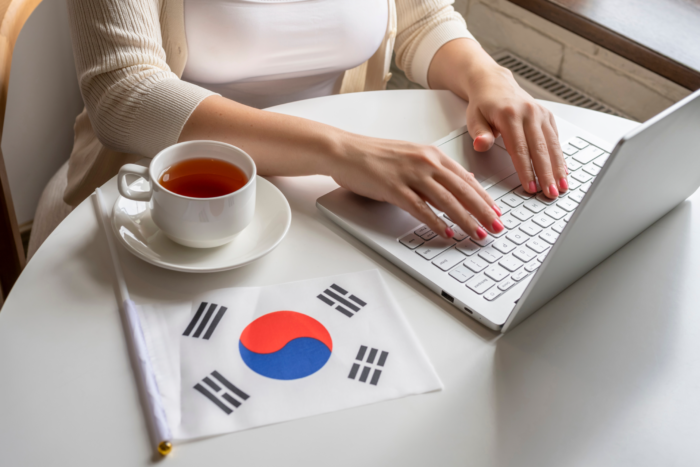
The CEOs of POSCO Group, KT and Samsung SDI identified strengthening social responsibilities and securing competitiveness as their focus for 2023.
Creating a healthier, happier and more productive workplace in 2023

Improvements to hybrid work and workplaces adding social aspects to bring people together are some of the workplace trends that can be expected in 2023.
The Philippines commits to a violence-free workplace

The ILO Convention 190 policy protects employees from violence and harassment, which includes gender-based discrimination at work.
Amendments to Malaysia’s Employment Act kick in
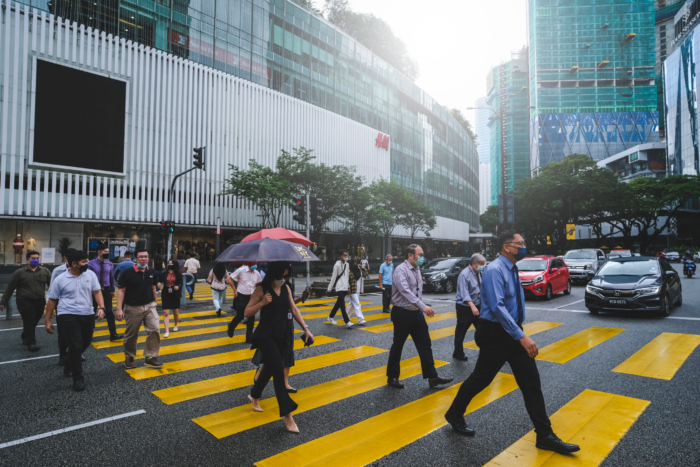
The amendments are largely based on the International Labour Organisation standards, which provide a framework for addressing labour issues.
South Korean internet platform ends remote working policy
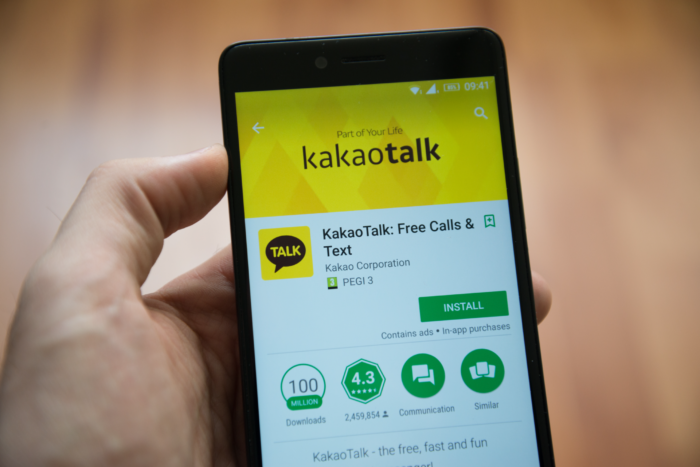
Depending on the state of the pandemic in the country, all employees are required to return to the office starting next March.
Redesigning EX for 2023? Put purpose at the centre of your plan

Organisations can create a productive and meaningful workplace for employees by developing an experience based on purpose.
Achieving positive employee wellbeing goes beyond remuneration

As hybrid work continues, firms are encouraged to prioritise the wellbeing of their employees to retain and support their journey towards fulfilling careers.
Customer harassment leaves employees in Japan feeling depressed
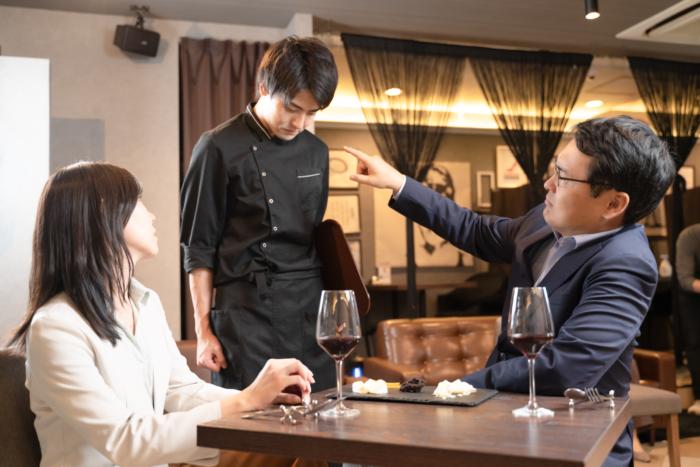
Verbal abuse was the most common type of customer harassment, followed by scolding, repeated complaints, and intimidation.
Workplace giving programmes may help reach philanthropy goals

The Australian government believes more efforts can be made to encourage workplace giving and make it a key component of national philanthropic goals.
More employees in South Korea took parental leave in 2021

Fathers who took parental leave account for 24.1%, up 1.5 percentage points from the previous year, reflecting changes in social norms.
Changing a negative mood into positive energy at work

Having conflicts at home can leave employees in a bad mood, but they can boost their mental wellbeing by finding connections at the workplace.
Employers in Malaysia can choose not to offer flexible work
Instead of enforcing flexible working hours, the amendments proposed for the revised employment act are aimed at increasing employee productivity.
Fostering a sustainable work culture with a people-centric approach
When employees are constantly striving to take care of one other, an organisation changes for the better, according to Virgin Group’s Holly Branson
Citigroup allows employees to work remotely for final two weeks of 2022
To benefit from this move, employees must already be working remote for a few days a week and must stay in their country of employment.
Tech roles a top career choice for Gen Z graduates in India

Employers who provide the right value proposition to Gen Z employees are more likely to be able to retain them in their first job for more than two years.
More support needed to allow more women to join Malaysia’s workforce

For women to return to work, a care infrastructure needs to be in place to allow them to keep up their commitments at home.
Employees in Melbourne commute less frequently to city for work
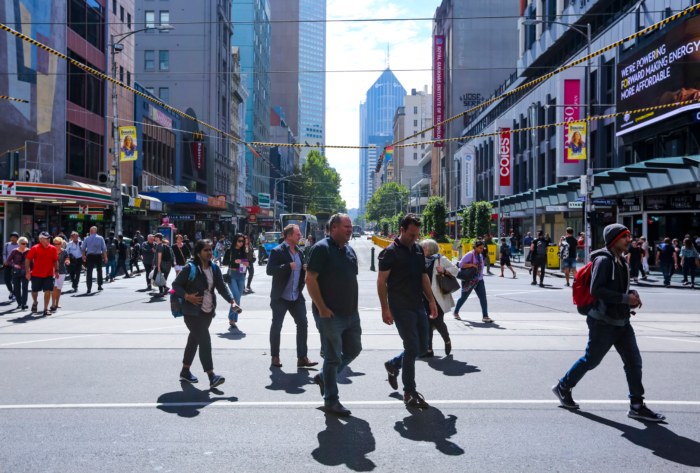
Most employees still work two days a week or more from home, the Melbourne CBD Return to Office Survey for December found.
Organisations urged to prioritise CSR despite increased investments
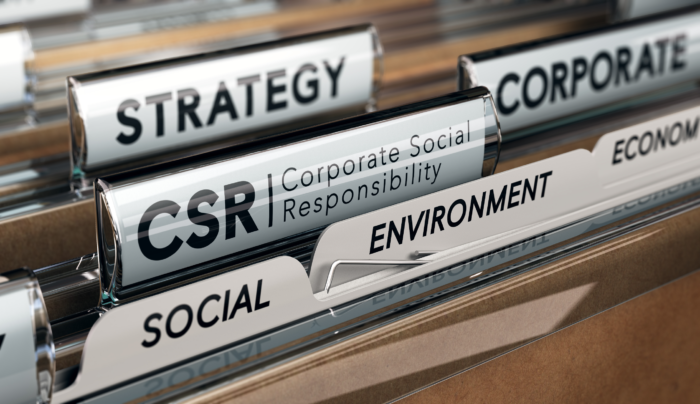
To become responsible and successful businesses, organisations must make long-term commitments to CSR, said Skillsoft in a new report.
Inadequacy in tech capabilities hindering support of hybrid work
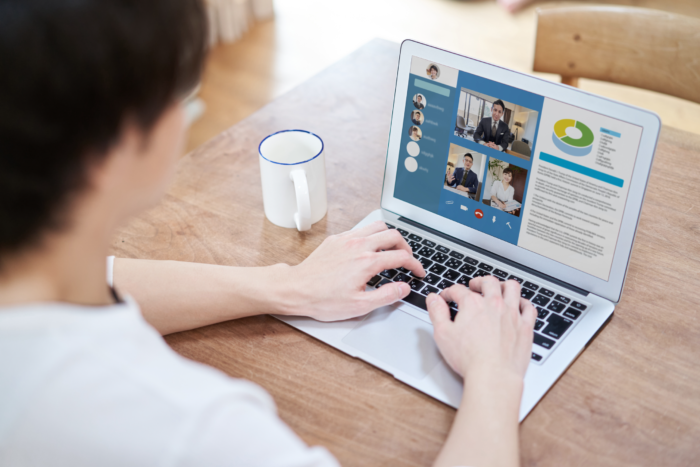
Organisations risk low morale among employees if they fail to invest in technologies to support their hybrid working strategies.
Gender-pay inequality persists worldwide despite progress

Researchers examined gender-pay inequality in 15 countries and found that women still earn less than men in similar occupations.
Individualised approach to leadership can help managers succeed

Managers should implement individualised consideration to meet the divergent needs of employees, says new research from MIT.
Is remote work stymieing business innovation?

Working from home jeopardises vital in-person collaboration and creates conflict between employers and employees, said entrepreneur James Dyson.
Vietnam mandates firms to issue year-end bonuses
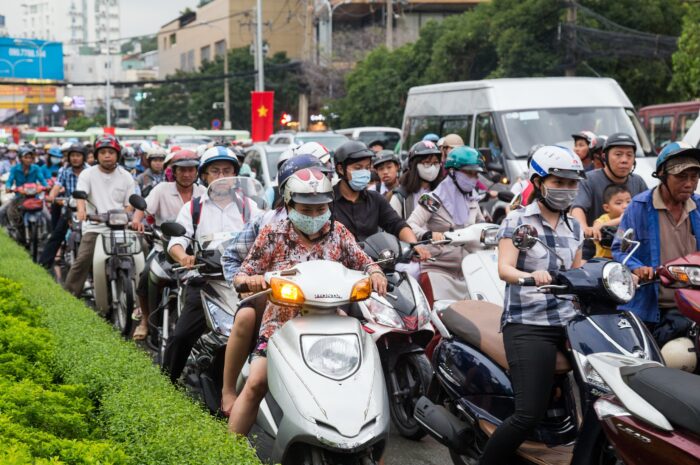
Employers are also encouraged to roll out policies to encourage workers to return to work after the celebration of Tet, the Vietnamese New Year.
Australia plans to strengthen skills sector with A$402 million investment

The creation of Jobs and Skills Councils reinforces Australia’s commitment to tripartite leadership, uniting stakeholders to address workforce challenges.
Work-life balance not the top priority for younger employees in Singapore

Unlike their more experienced counterparts, younger employees will choose more income over having more free time.
How managers can take the next step to be great leaders
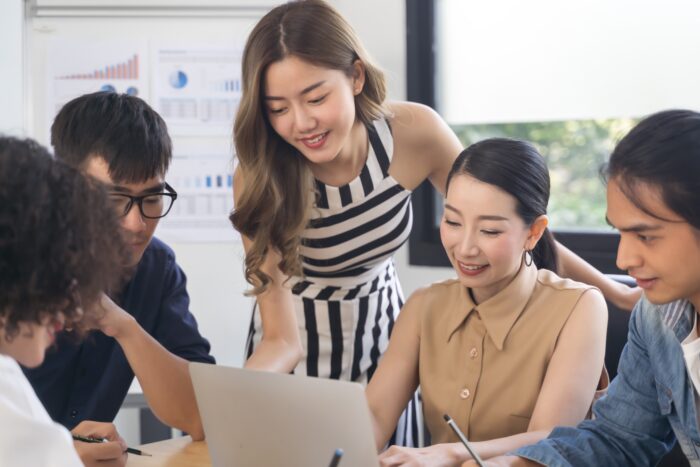
Lisa Vandertogt, Senior People Scientist, Culture Amp, highlights the key people skills that will allow managers to be successful leaders.
Employers in Australia urged to close gender pay gap

The factors that weigh on unfair compensation include discrimination, bias in hiring, and having more men in senior management roles.
Remuneration package key to attracting talent in Hong Kong

Employees will only be tempted to leave for another employer in 2023 if they receive a substantial salary increase as the cost of living continues to raise.
Cultivate high-performing employees with a people-first approach
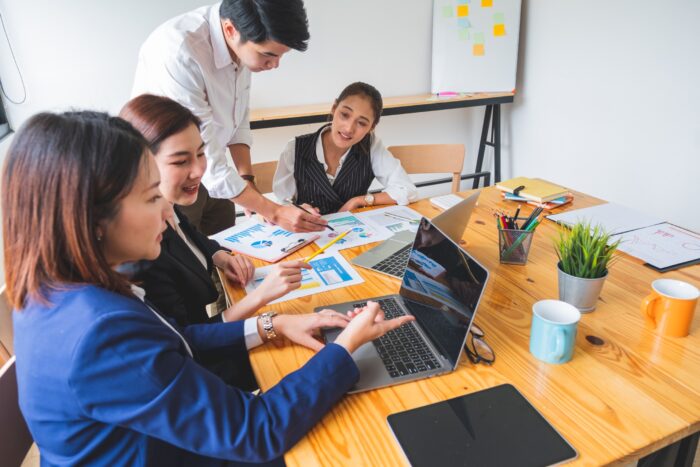
To allow employees to thrive in a hybrid environment, organisations should design work models around the needs of their workforce.
Building an employee-first workplace culture a priority for CHROs in 2023
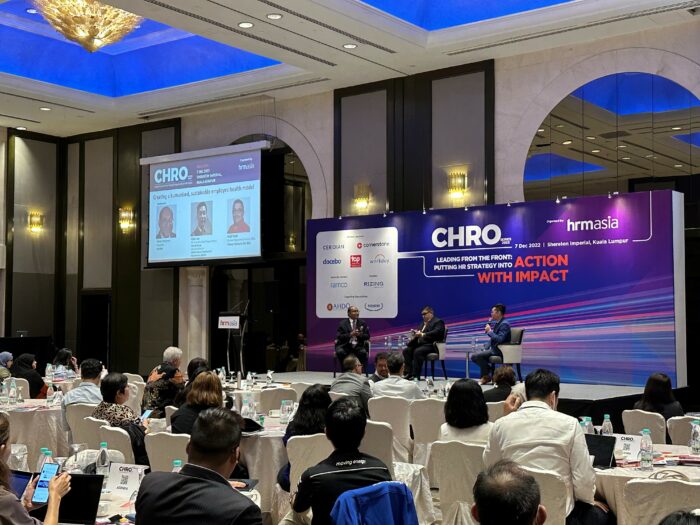
HRM Asia’s CHRO Series Malaysia 2022 took a deep dive into topics such as employee wellbeing, HR transformation, and workforce optimisation.