

Singapore companies urged to have business continuity plans in place
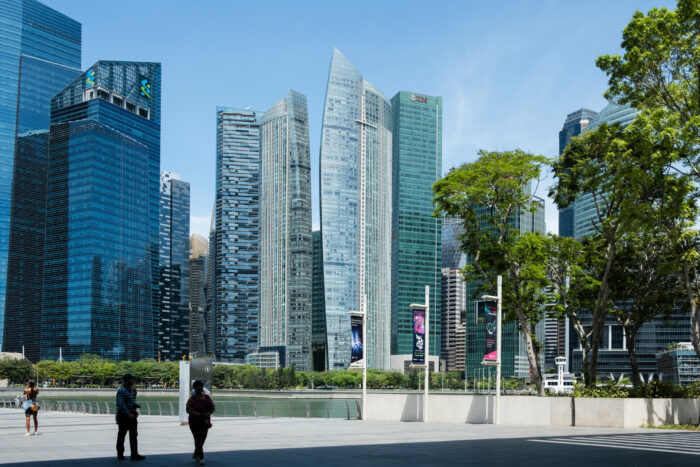
Businesses should have procedures for staff to work longer hours to cover the work of their colleagues as Omicron cases rise, said a tripartite advisory.
WFH blurs boundaries between work and play, says WHO

WHO also highlighted some positives from teleworking, which was found to have a positive effect on self-reported health.
Bill for “right to disconnect” filed in the Philippines

If House Bill 10717 is enacted, it could be against the law for employers to contact their staff outside working hours.
Job availability in Japan falls for third straight year
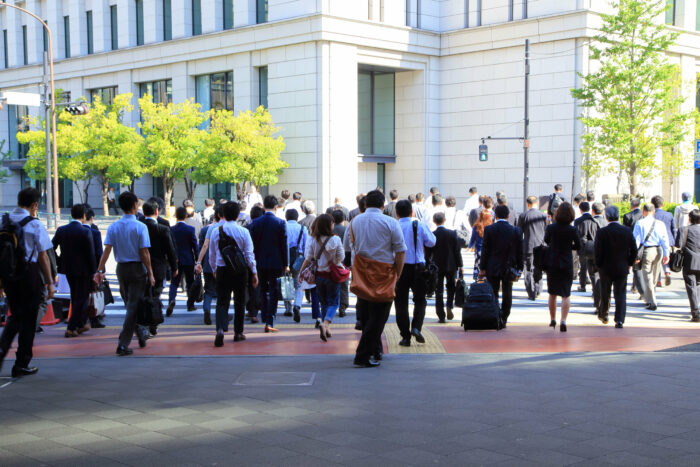
The ratio of job availability stood at 1.13 in 2021, indicating that there were 113 openings for every 100 jobseekers, down 0.05 points from 2020.
Unemployment rate in India drops to 11-month low

The unemployment rate fell to 6.57% in January – the lowest since March last year, contributed by a decrease in rural unemployment.
Most South Korean mothers want to remain in workforce

Out of the female workers who worked until giving birth, 77.5% either went back to work or plan to return to work after childbirth.
Calls to increase wages in Philippines seen as untimely
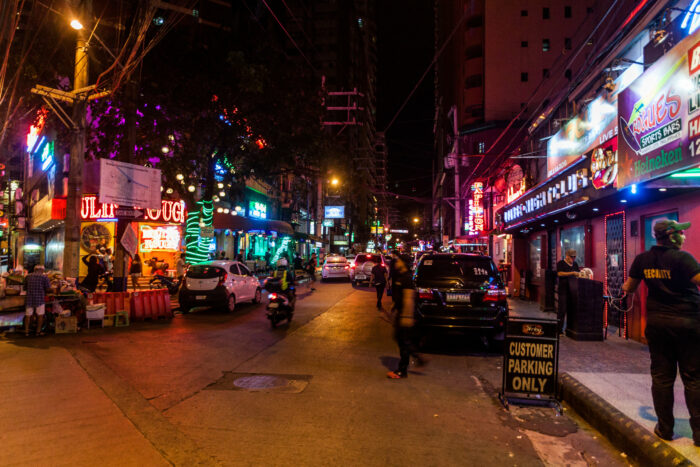
Although the country sees some signs of recovery, the situation still remains “very unstable”, said a labour official.
Laos set for first minimum wage raise since 2018
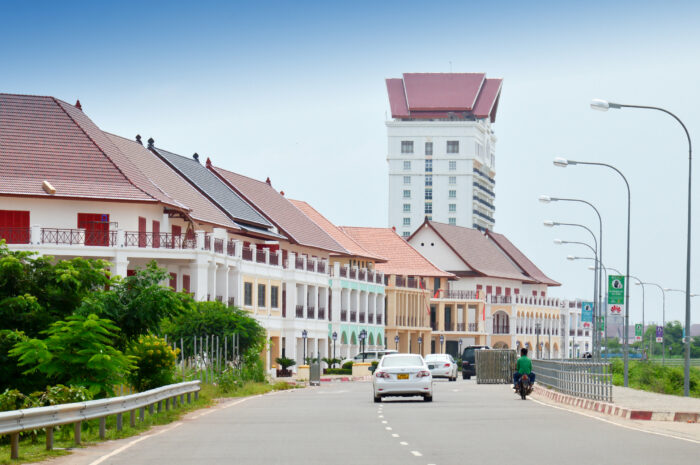
The government has begun discussion on raising the national minimum wage this March amid rising inflation and the increasing cost of living.
Singapore’s total employment rebounds in Q4 last year
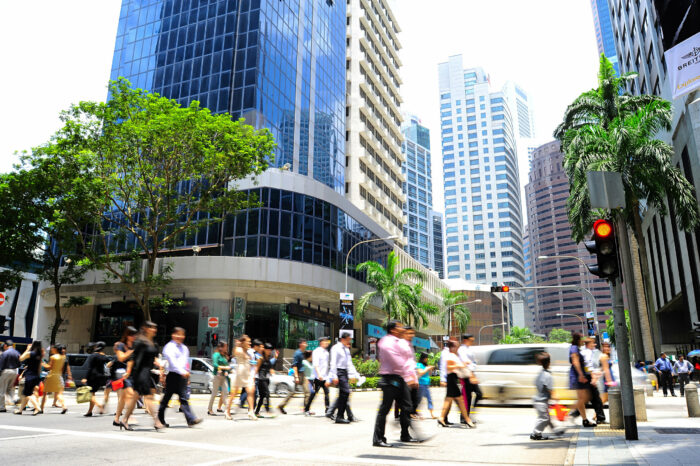
Q4 of 2021 saw total employment growing 47,400 compared to the decline of 2,400 in the third quarter, said the Ministry of Manpower (MOM).
Workplace safety measures bolstered in South Korea as new law takes effect

Businesses face harsher sentences of a minimum one-year prison sentence or up to 1 billion won in fines in the event of fatal workplace accidents.
Call for faster pay hikes for low-paid workers in the Philippines
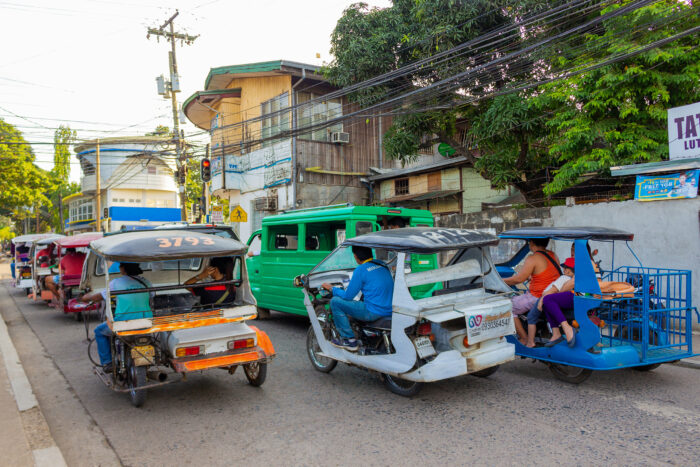
Labour group Partido Manggagawa (PM) has urged companies to raise wages of low-paid workers faster than those who earn higher salaries.
The three biggest questions HR leaders will face in 2022

Achievers’ Matt Seadon shares the biggest questions that HR leaders will have to tackle in 2022 as they shape and redefine the post-pandemic workplace
Hybrid work will be default for Singapore’s public employees

Hybrid working would likely become a permanent feature of the public sector workforce, according to the Office of the Clerk of Parliament.
Trade union calls for raise of New Zealand’s minimum wage
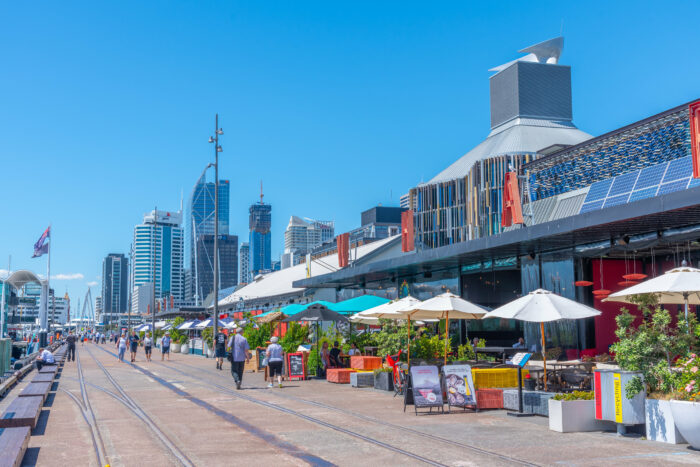
The minimum wage should be increased as annual inflation in the country has hit a 30-year high of 5.9%, says the New Zealand Council of Trade Unions.
Japanese workers accept lack of pay hike, says trade union leader
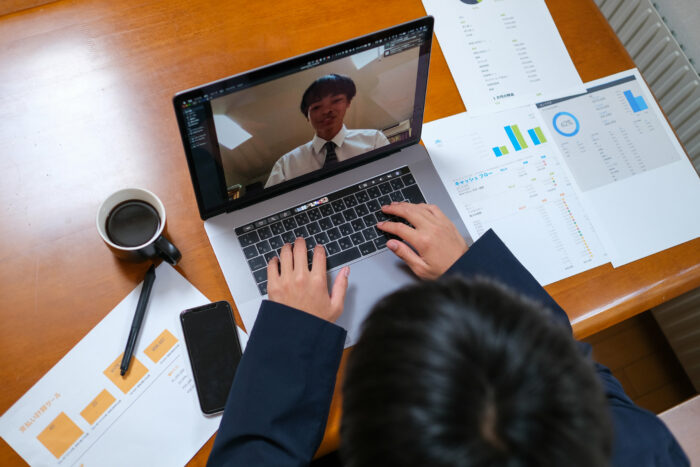
In this year’s wage talks, Rengo is aiming for salary hikes of around 4%, including pay scale raises of around 2% and regular wage hikes.
Thailand considering hike in minimum wages
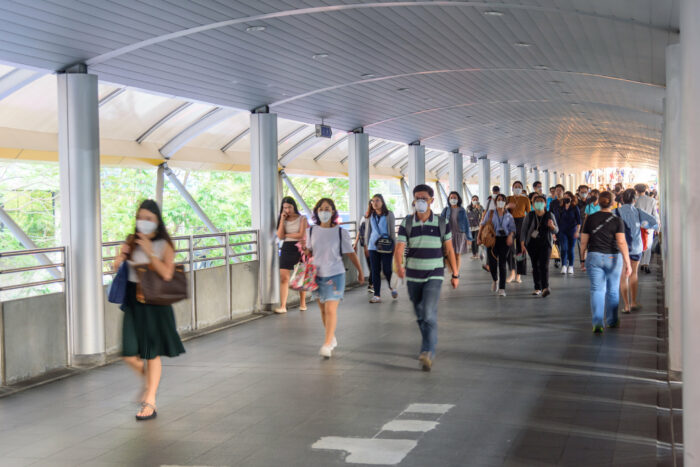
The Labour Ministry will conduct a feasibility study on increasing the minimum daily wage as the prices of consumer goods, food, and fuel increase.
Indonesian companies should not use minimum wage as effective wage
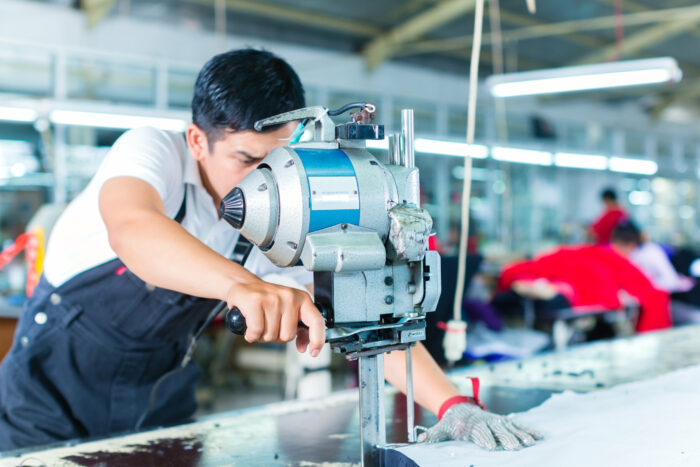
Manpower Minister Ida Fauziyah has said the widespread practice of companies using minimum wage as the effective wage needs to be addressed
Employees in Malaysia promised fair maternity leave and allowance

Following complaints of ambiguity, the Women’s Aid Organisation said it sought clarification from Malaysia’s human resource ministry.
Japan continues to debate feasibility of wage hike
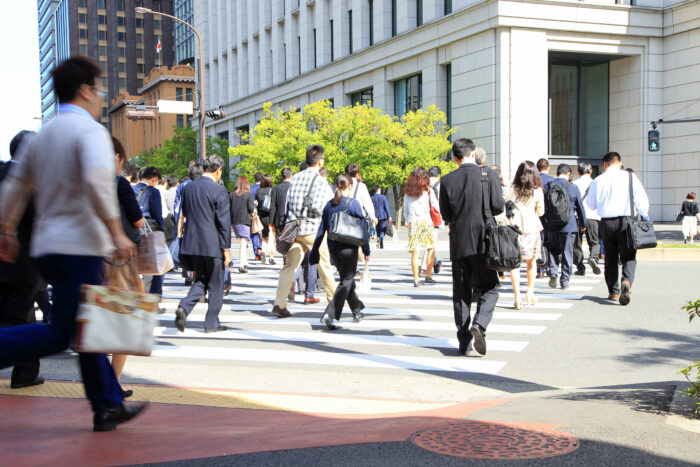
Contrary to the Prime Minister’s call, the Japan Business Federation says it is difficult to set a blanket level of salary increases for all companies.
Hong Kong allows public officials to WFH amid rise in COVID-19 cases

Many public employees are expected to work remotely as some government departments may temporarily cut back on some services.
Number of discouraged workers in South Korea hits all-time high in 2021

The number of discouraged workers in South Korea spiked to an all-time high in 2021 amid a weak labour market due to the prolonged pandemic.
New Zealand calls on for companies to be prepared for Omicron disruption
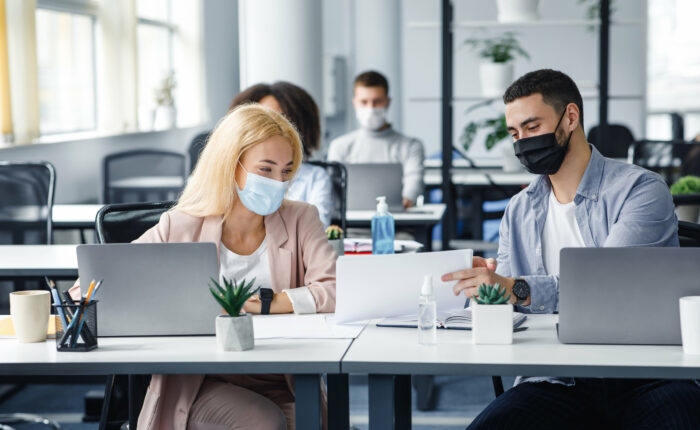
Finance Minister Grant Robertson cautioned firms to ensure business continuity plans are in place and vowed government support.
Indonesia told to adopt more flexible WFH policy

Amid a spike in Omicron transmission, the WFH policy needs to be implemented with more flexibility, says the Labour Institute Indonesia.
Singapore urges firms to prepare for Omicron’s disruption to the workplace
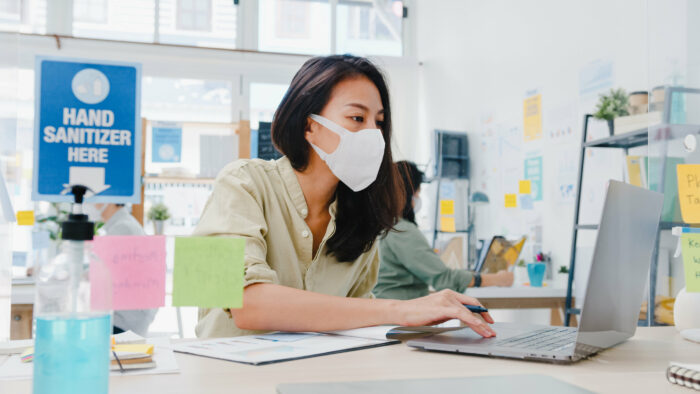
Businesses, especially those providing essential services, should ensure robust business continuity plans like split-team arrangements.
5-day paid pandemic leave proposed in the Philippines

Sen. Leila De Lima has called on Congress to pass a law that mandates paid leave of five days for workers who contract COVID-19.
Indonesia’s female labour force participation remains low

The patriarchal culture in the country has caused the labour force participation (TPAK) of female workers to lag behind that of male ones.
BusinessNZ seeks clarity on SOP for Omicron outbreak

Clarity is being sought on the definitions of a contact, and the triggers for isolation once the Omicron strain starts spreading in the community.
Bill to protect workers’ rest hours proposed in the Philippines

The proposed bill will penalise employers who intrude on workers’ “rest hours” and to prevent tasks and meetings from encroaching on personal time.
Japan’s major business lobby urges firms to raise workers’ pay
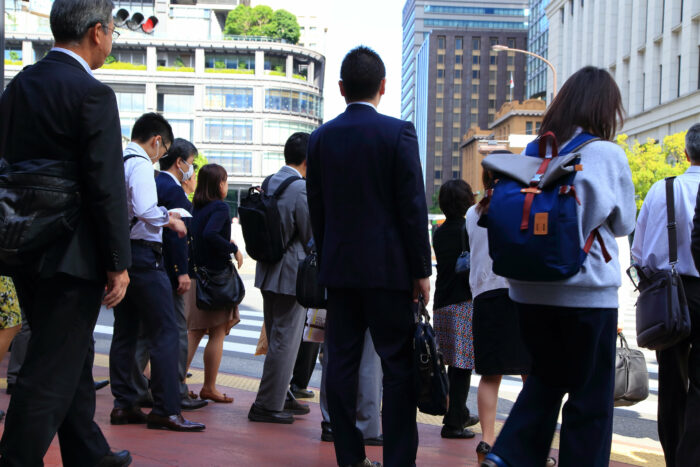
A specific target of pay hikes that member firms should adopt was not specified, considering the varying pace of earnings recovery of companies.
Taiwan increases maternity and paternity leave

The Ministry of Labour (MOL) has increased paid parental leave and implemented other family-friendly policies with immediate effect.