

Low wage workers to benefit from Australia’s new superannuation law

The introduction of the regulation will abolish the current A$450 minimum threshold for workers to qualify for superannuation.
Singapore’s resident employment increased in Q3
The Manpower Ministry (MOM) said the labour market saw a rise in resident employment and fewer retrenchments compared to Q2.
South Korea’s presidential hopeful mulls four-day workweek pledge
Lee Jae-myung believes that the implementation of a four-day workweek will create more jobs and cut working hours in the country.
Why more HR tech is not necessarily better

Steve Boese explains why it is more important to use HR to support employees at a personal level, and be mindful of how employees respond.
13th-month pay in the Philippines to be pro-rated

The Department of Labour and Employment (DOLE) has issued guidelines on the release of the 13th month pay for this year.
Indonesia considers minimum wage increase in 2022
The speaker of the Indonesian House of Representatives says doing so will improve the welfare of workers affected by the pandemic.
Australian business groups call for uniformed COVID-19 vaccine mandates

The Council of Small Business Organisations Australia (Cosboa) said a standardised approach would offer clarity for small businesses.
Temp staff in South Korea rises to 38.4% of working population

The proportion of non-regular employees has increased by 2.1 percentage points to 38.4% of the labour force in August year-on-year.
Reimagining employee experience for a hybrid workforce

A recent webinar presented by Workday and HRM Asia highlighted why employee experience is a priority as hybrid working grows.
New Zealand makes vaccination mandatory for hospitality staff

Employees of businesses where customers are required to show vaccine certificates will be given four weeks to also get the jab or face sacking
How HR can help build the future organisation

HRM Asia’s CHRO Online Series 2021 will kick off on October 28 with CHRO Indonesia examining the role HR can play in building the future organisation.
Unvaccinated workers in Singapore could lose their jobs

From 1 January 2022, workers who refuse to disclose their COVID-19 vaccination status will be treated as unvaccinated.
Japan looks into distributing wage profits
Prime Minister Fumio Kishida had vowed earlier to draw up an economic package worth “tens of trillions of yen” to revive the economy.
113,000 workers in Singapore still unvaccinated

About 113,000 working people remain unvaccinated in the country, out of which only a small portion are not medically fit for the COVID-19 vaccination.
Mandatory vaccination urged for frontline workers in the Philippines

The labour department will be studying a proposal that mandates COVID-19 vaccination for frontline workers.
Taiwan’s unemployment rate falls to 3.96% in September

As locally transmitted cases of COVID-19 have been brought under control, the employment rate fell for a third consecutive month in September.
Rise in minimum wage could derail Malaysia’s economic recovery: MEF
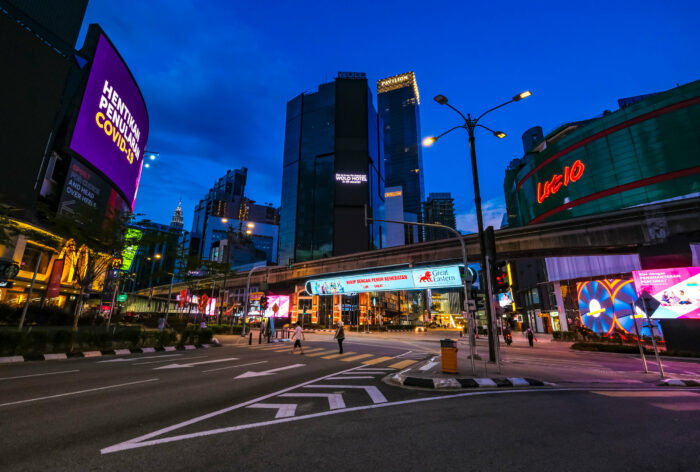
Labour productivity also registered a fall of 16% in 2020, following a reduction in workforce numbers, notes the Malaysian Employers Federation.
HR relooked in a new world of work
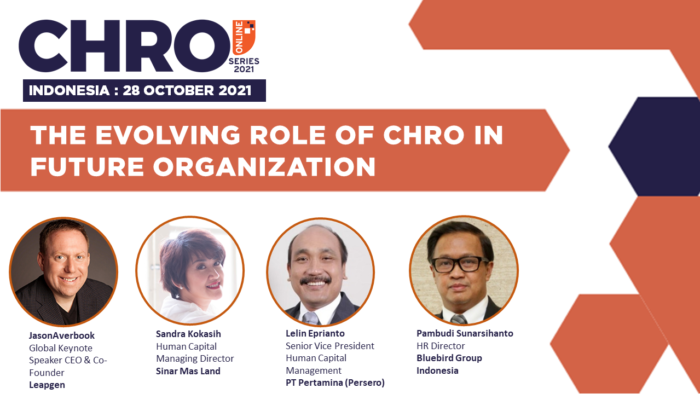
HRM Asia’s CHRO Online Series 2021 will kick off on October 28 with CHRO Indonesia discussing how the role of HR continues to evolve in a new world of work.
Eateries, spas cannot sack unvaccinated staff in the Philippines

Businesses offering dine-in and in-person services cannot fire staff or withhold the salaries of those who are not vaccinated.
Unvaccinated workers not allowed back to the workplace in Singapore

From January 1 next year, only those who are vaccinated will be allowed back to the workplace, or if they have tested negative for COVID-19.
India mulls reclassifying gig workers as employees

Gig and platform workers may be reclassified as employees in a major government policy move amid a changing employment landscape.
Workers in the Philippines may receive lower 13th month pay

Due to tighter pandemic-led restrictions, many businesses were forced to temporarily retrench or cut the work days of their staff.
Thailand approves 37 billion baht in subsidies for SMEs

To help SMEs retain employees, the Thai Cabinet has approved a 37-billion-baht (US$1.1 billion) subsidy programme that will help pay for salaries.
Malaysia’s civil servants told to get vaccinated or face dismissal
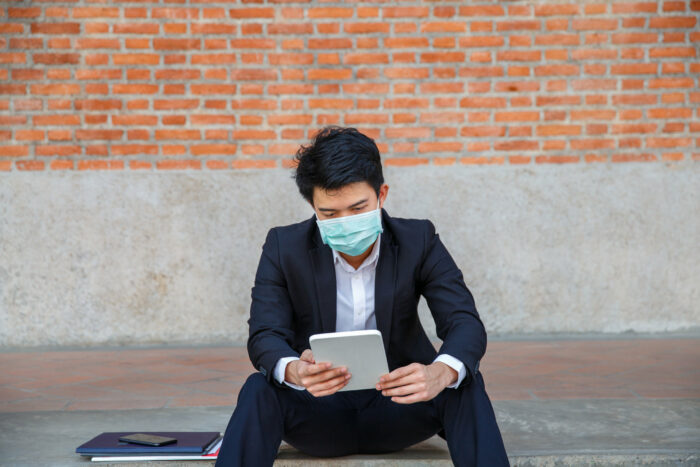
The Public Service Department (JPA) is mandating all medically fit civil servants to get the jab against COVID-19 or face the sack.
Wage growth in Australia unlikely despite labour shortage
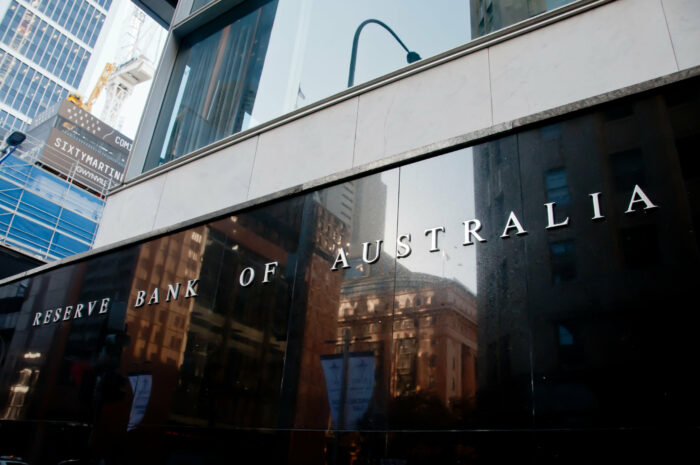
The Reserve Bank of Australia noted that in sectors where wage growth was observed, it was largely due to earlier implemented wage cuts that were reversed.
‘No vaccine, no pay’ practice declared unlawful in the Philippines

Some workers have said that they were not paid their salaries as they were required to first present proof of vaccination.
S$13 million recovered in employee claims in Singapore

Employees who made claims for salary arrears and compensation for wrongful dismissal in the last financial year recovered S$13 million.
Taiwan ranks 4th globally in number of working hours

Workers in Taiwan worked more hours than those in other countries in the world last year except for three other countries, according to the Ministry of Labour.
Applications for Malaysia’s wage subsidies total RM$12.95 billion
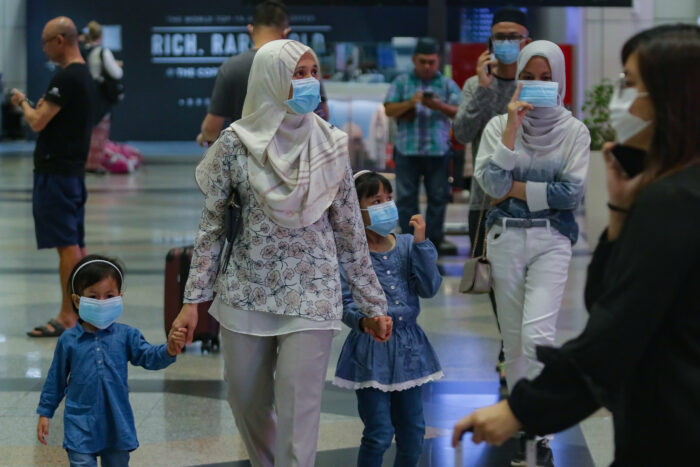
A total of RM$84.2 million has also been channelled to 13,884 businesses in the form of grants and loans for subscriptions to digitalisation services.
Australia’s Labour Party proposes more rights for part-time workers

To help workers, especially women, balance family and employment responsibilities, Labour has urged for a review of the “erosion” of part-time work.