

Hybrid work will be default for Singapore’s public employees

Hybrid working would likely become a permanent feature of the public sector workforce, according to the Office of the Clerk of Parliament.
Hong Kong allows public officials to WFH amid rise in COVID-19 cases

Many public employees are expected to work remotely as some government departments may temporarily cut back on some services.
Indonesia told to adopt more flexible WFH policy

Amid a spike in Omicron transmission, the WFH policy needs to be implemented with more flexibility, says the Labour Institute Indonesia.
India prepares to set a salary structure for WFH workers

A draft framework will be proposed to the Finance Ministry, with any subsequent changes requiring amendment to the tax laws.
Bill to protect workers’ rest hours proposed in the Philippines

The proposed bill will penalise employers who intrude on workers’ “rest hours” and to prevent tasks and meetings from encroaching on personal time.
Ushering in the new era of the hybrid workforce

With 2022 likely to be the year of hybrid work, organisations need to develop and introduce effective hybrid work strategies and policies.
Japan minister encourages businesses to telework
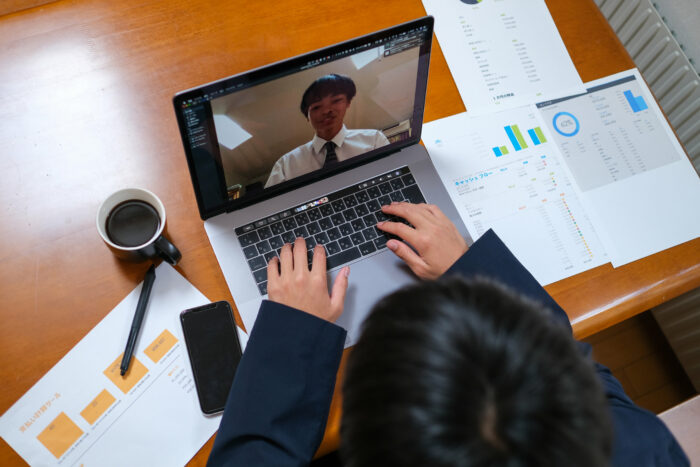
The goal of teleworking is to maintain the same level of socio-economic activities in a time when rapid spread of COVID-19 is expected.
Success of flexible working depends on both workers and firms

Employers in Singapore have also been urged to clearly communicate their expectations upfront and manage appraisals fairly based on work outcomes.
Singapore warns against legislating WFH arrangements

The country believes that the approach to workplace flexibility should be inclusive, as remote working is not practical for all types of workers.
Firms in the Philippines encouraged to implement WFH

Government agencies also urged companies to provide sufficient assistance for individuals who are undergoing quarantine and isolation.
India’s central government allows 50% of staff to WFH

Amid the recent surge in COVID-19 cases, the central government is allowing half of its employees below the rank of under secretary to work from home.
61.7% of Malaysian companies want to continue with hybrid work model
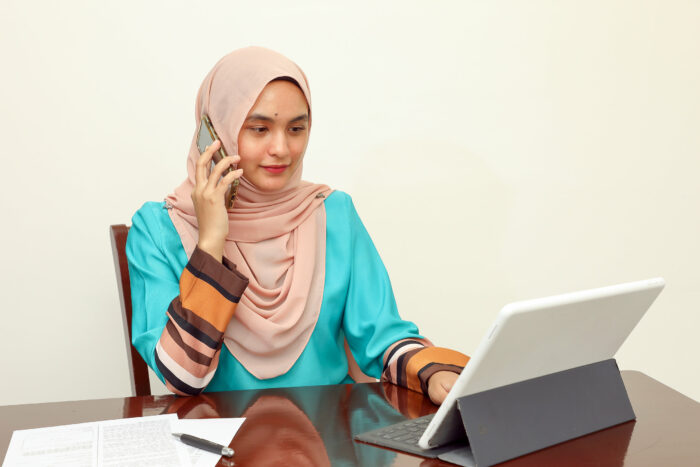
A survey has shown that the majority of businesses in Malaysia are opting to continue with the hybrid model of on-site and remote working.
Thailand mandates government workers to WFH

To curb the spread of the Omicron virus, all government officials have been directed to work from home (WFH) after the New Year break.
India likely to continue WFH policy into 2022

The Central government has started discussions to set rules to regulate work from home (WFH) amid rising cases of the Omicron variant in the country.
Future of remote work will depend on nature of industry and job role

The cost savings of remote working are attractive as employers do not have to pay rent for office space, building utilities, and compensation for transport.
Retaining talent begins with understanding what employees want

If managed well, organisations can transform the ‘Great Resignation’ to the ‘Great Attraction’, attracting and retaining the best talent.
Workers find WFH beneficial to wellbeing and performance

The ideal amount of telework is two to three days in a week, an allocation optimal to balance the benefits and costs of remote working.
Majority of South Korean businesses opt for WFH even after pandemic

About 75.2% of businesses said they plan to either continue remote-work policies at the current level or partially downscale it when the pandemic ends.
Talent attraction begins with employer branding

Top Employers Institute’s Ammara Naeem explains why a well-executed employer branding strategy is key to attract and retain talent.
3 priorities to consider when managing EX in a new world of work

As hybrid work becomes increasingly prevalent, Qualtrics highlights how organisations can better manage EX programmes.
HR in 2022: Shifting the power back to employees

Creating a people-centric workforce experience that reinforces organisational purpose and culture will be a key HR objective in 2022.
Malaysia registers lowest unemployment rate since last April

The jobless rate in the country dropped to 4.3% in October, falling 0.2 percentage point month-on-month and was the lowest since April 2020.
How organisations can adapt to new workplace expectations

CHRO Singapore highlighted why HR and business leaders should be open to feedback and, utilise technology and data to retain and hire talent
Paving the way for change in a hybrid workplace

Charles Ferguson, General Manager, Asia Pacific, Globalization Partners, highlights what it takes to create a successful hybrid workplace.
Redefining employee experience for a hybrid workforce

Rob Squires, VP for Sales, Asia Pacific and Japan, Ceridian, why organisations need to prioritise EX to retain talent.
Fostering DE&I and a culture of belonging with recognition

With more organisations having to manage hybrid workforces, Achievers explains why recognition can be a key tool for HR leaders.
Shaping workforce learning in a transformed workplace
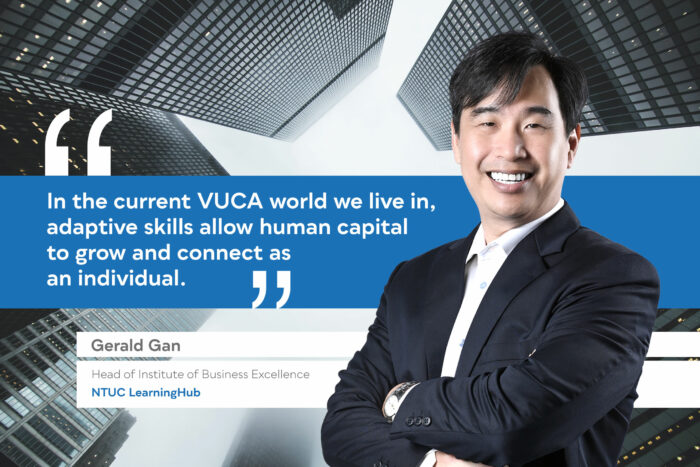
Gerald Gan, Head of Institute of Business Excellence, NTUC LearningHub, explains why gaining adaptive skills is critical for employees to stay relevant.
Flexible working set to be default arrangement in Australia

Working from home would remain part of the way the public service will operate in the future, said the Public Service Commissioner
Redefining the role of the CHRO in a changing world of work

The CHRO Online Series continues December 2 with CHRO Singapore highlighting how CHROs can help develop human-centric leadership in 2022.
People-centric HR management important for the “now of work”

CHRO Malaysia highlighted some of the key challenges facing CHROs today, including placing their people at the heart of all business strategies.