
Hybrid work models and higher pay reshape Singapore’s gig economy
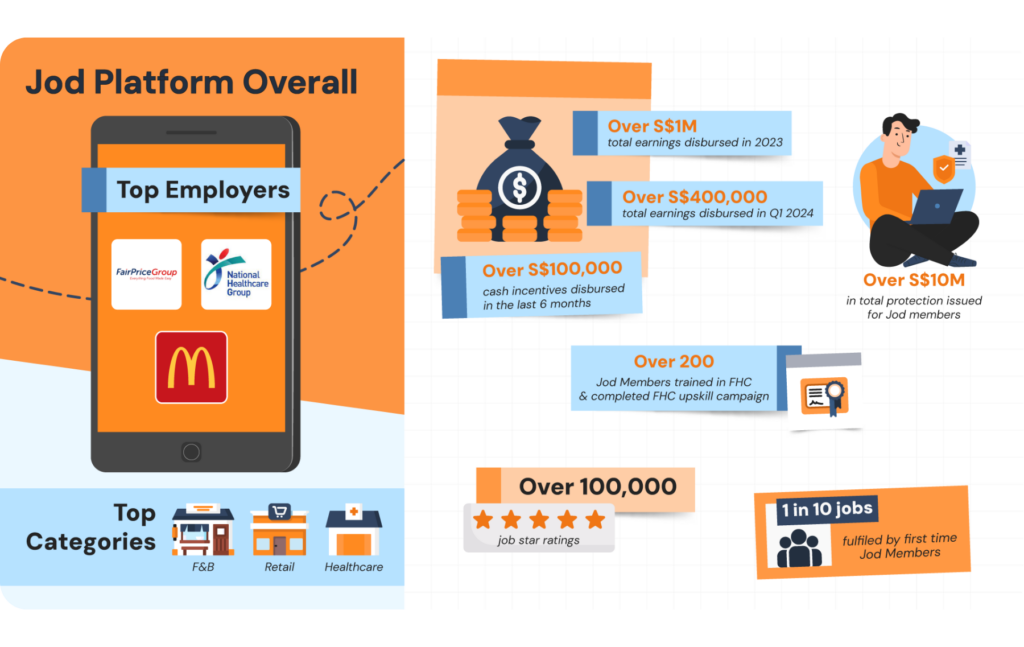
Singapore’s gig economy is booming, with a 50% surge in job applications and rising earnings in the healthcare and hospitality sectors.
DBS reinforces commitment to innovation and employee growth
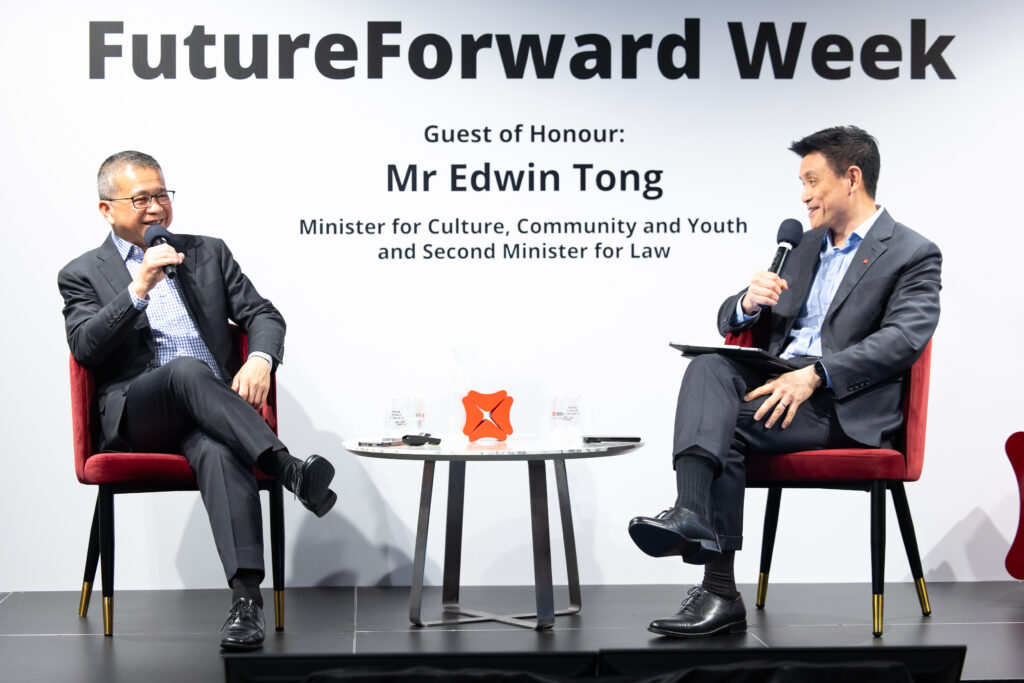
Bridging divides, maintaining competitiveness, and fostering meaningful employee engagement remain key focus points for DBS.
Digital overload taking a toll on employees

Fear of missing out (FoMO) and an information overload are linked to stress and burnout, a study from the University of Nottingham has revealed.
Burnout crisis deepens in Singapore workplaces

Singapore’s workforce is facing a mental health crisis with Gen Z leading the burnout surge, and employers are falling short in providing support services.
EX as a driver of workforce transformation: It’s all about people

Prioritising a people-centric approach and leveraging technologies can help organisations go a long way in creating winning EX strategies.
Four-day or six-day workweek? Why flexibility goes beyond just numbers

Understanding the specific needs and preferences of employees is crucial in defining flexible work, says Dr Jaclyn Lee, CHRO, Certis.
Cultivating a competitive edge through innovation and flexible work

Leadership’s role in shaping the future of work is vital for success, intertwining organisational and individual wellbeing, says SIG’s Angelina Chua.
Men face greater promotion challenges in FWAs

Men on flexible work schedules face greater promotion challenges than women, with 36% experiencing this issue, compared to 27% of women.
MEF urges continued remote work for Covid-positive employees

Datuk Syed Hussain of the Malaysian Employers Federation advocates WFH policies for COVID-19-positive employees to prevent the spread of the virus.
Flexible work crucial for working parents in Singapore to thrive

Culture Catalyst’s Scott Harrison highlights the need for flexible work in Singapore to support working parents and address low birth rates.
This management theory could reshape the return-to-office debate

i4cp’s Kevin Oakes explores the return-to-office controversy through the lens of the classic management theory Management by Objective.
Navigating the future workplace: Embracing FWAs in 2024

As Singapore and other regions embrace FWAs, businesses have a unique opportunity to redefine what the future of work will look like.
The retention equation: What makes employees stay?

Work-life balance and flexible arrangements are some of the top retention drivers today—share what matters most to you in HRM Asia’s poll.
Art, science and effective hybrid workplaces
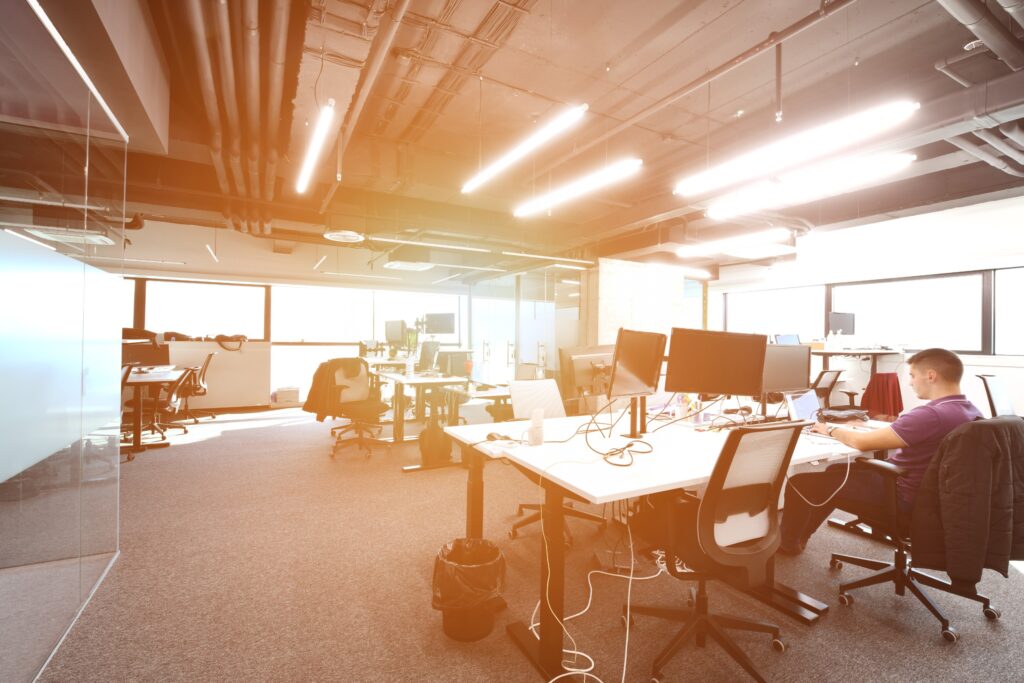
Organisations should not underestimate the importance of office design in keeping employees engaged and productive, says JLL’s Susheel Koul.
Transcending employee wellbeing to create a better work-life balance

Malaysia is struggling with work-life balance and organisations need to rethink their approaches to reset the balance.
Time to adapt: Singapore businesses gear up for flexible work guidelines

Deel’s Nadia Alaee, highlights what organisations need to understand to create successful flexible work strategies.
For better employee retention, why hybrid work may offer the most value

A study found that turnover at one organisation was 33% lower among hybrid employees than those who worked in the office.
Gen Z and millennials in Asia-Pacific want purpose, sustainability in jobs

Deloitte’s Sonia Breeze urges organisations to adapt to Asia’s young talent’s desire for purpose and sustainability in their job roles.
If you are watching your employees, it may be time to look away

Organisations who persistently monitor employees’ work may be losing an opportunity to build workplace inclusiveness and belonging.
Siemens’ journey to empowerment and hybrid work
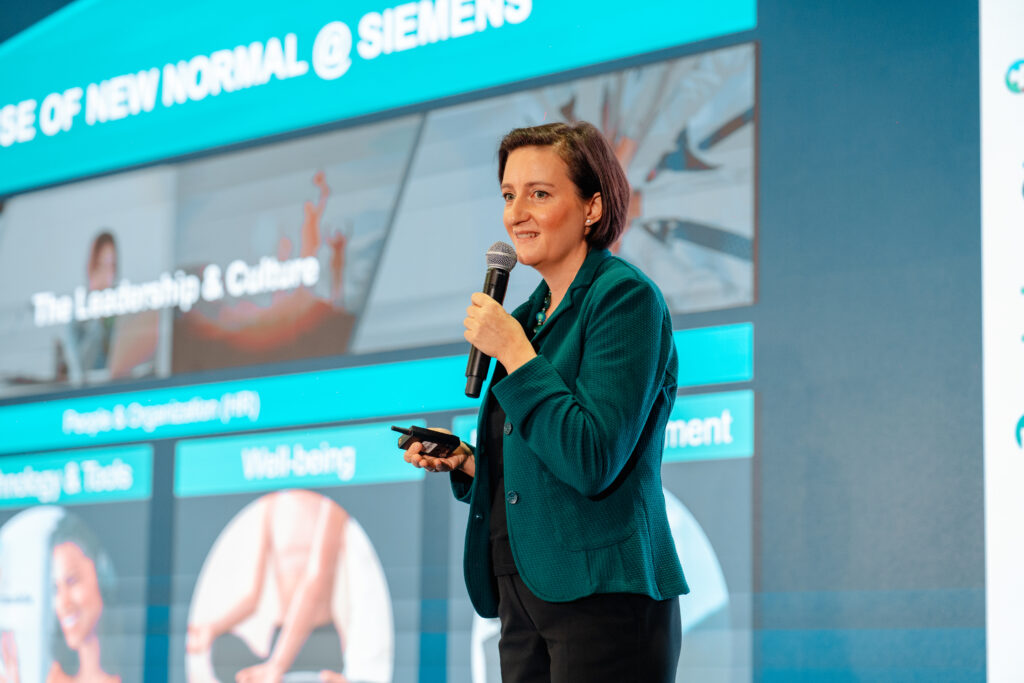
Siemens’ Evelyn Stier highlights the need for personal connections, understanding preferences, and fostering trust in hybrid work.
Empowering a more diverse workforce in Singapore with FWAs

Workplaces in Singapore should cultivate a culture of support and empathy for employees who are also caregivers.
How large organisations can elevate their human development strategies
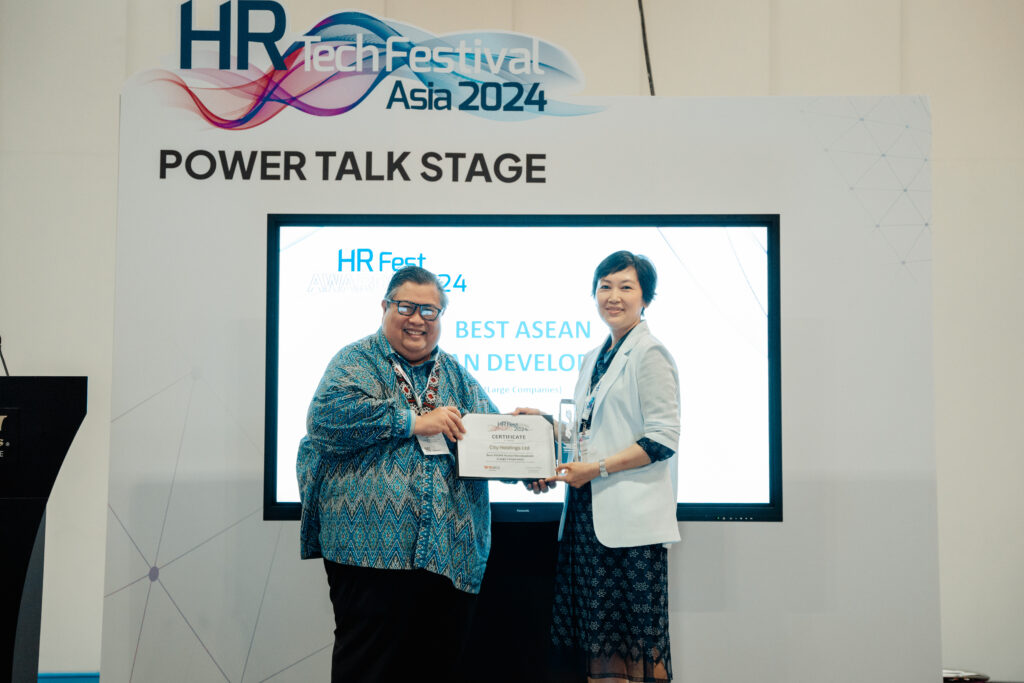
City Holdings’ Pwint Phyu Han shares the importance of bringing human development into South-East Asia.
Remote work or going overseas: What employees in Singapore want

Can remote work replace relocation dreams for employees in Singapore? Chew Siew Mee of Jobstreet by SEEK in Singapore gives her take.
Employees in Hong Kong prioritise flexibility and equity in the workplace

Despite a preference for flexible schedules, most employees in Hong Kong are required to be in the office full-time.
More job applicants prioritise time in lieu for working overtime

When it comes to applying for positions in Australia, applicants are pushing for better time compensation if they work overtime.
Singapore upholds fair compensation in flexible work

Ministers have advocated for fair compensation, while challenging the notion of reduced pay on flexible work arrangements.
More working mothers demand support for better work-life balance
Organisations and employers can, and should, do more to help working mothers in South-East Asia achieve work-life balance.
DBS reimagines workspaces for the hybrid era
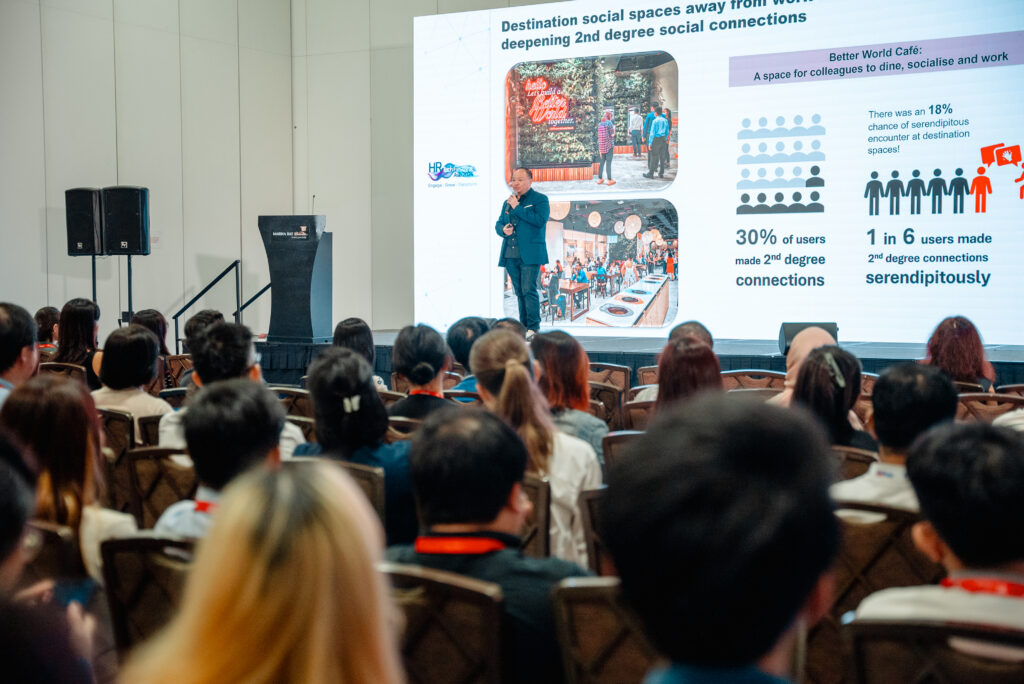
Erwin Chong is spearheading the bank’s pioneering approach to hybrid workspaces, emphasising employee-centric design and collaboration.
More flexible jobs on offer for new mothers in China

More Chinese provinces are encouraging organisations to create more flexible jobs for new mothers to encourage childbirth.
Singapore to unveil new scheme to support unemployed employees

A re-employment support scheme will be launched by the government in response to involuntary unemployment amid changing economic conditions.