
Investment in upskilling can boost GDP by US$6.5 trillion by 2030
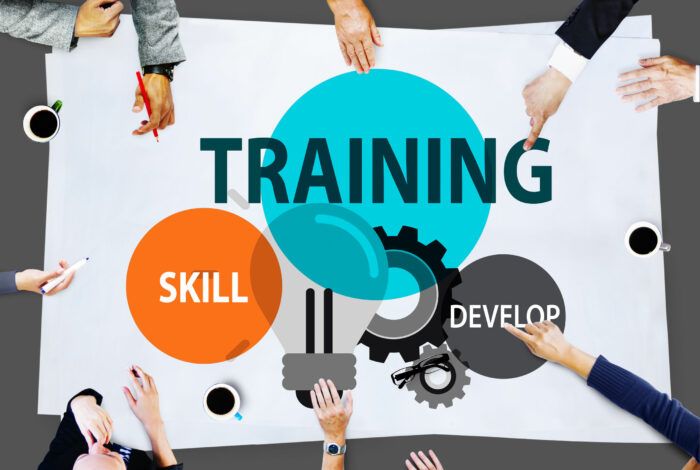
Skills enhancement would ensure that workers have the experience and skills needed for the Fourth Industrial Revolution.
Majority of employees in Taiwan generally satisfied with jobs

A survey by the Ministry of Labour (MOL) found that 71.2% of workers were generally satisfied with their jobs, with 3.7% being dissatisfied.
Japan government revises paternity leave to promote time off

The government has been encouraging men to take paternity leave, but the practice is not common in Japan, which suffers from a declining birth rate.
How to design a digital-change experience that sticks

Organisations need to rethink change, embracing it with a digital mindset that will empower their employees to adapt.
Singapore maintains work-from-home as default option

Under current safe management measures, peak-hour travel on public transport in January has risen by 11%, compared to November 2020.
Teleworking rate in Japan remains low despite government urge

The proportion of teleworkers fell to 22% in mid-January, from 31.5 % in May 2020, when the country was under its first state of emergency.
Japanese politician proposes 4-day work week

Member of the Japan House of Councillors Kuniko Inoguchi is backing a bill that would give workers a four-day work week.
Hong Kong government plans to increase number of statutory holidays

Labour minister Law Chi-Kwong said the proposal to gradually increase the number of statutory holidays from 12 to 17 by 2030 is “most acceptable”.
Skills development key for SEA workers to move into new jobs
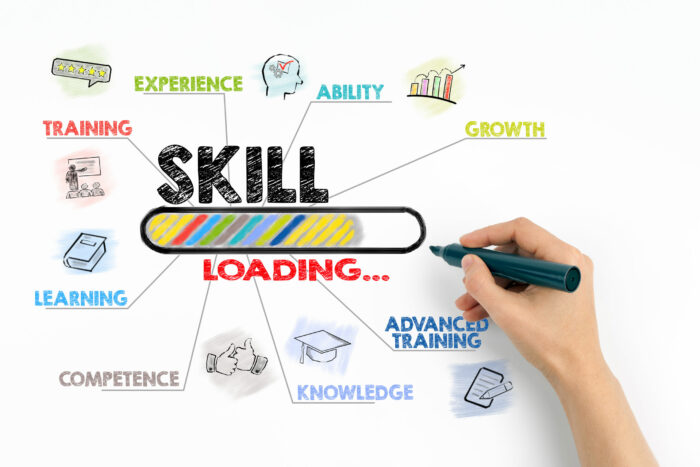
There are large potential returns to be reaped by businesses, stemming from productivity increases from fourth industrial revolution tech, says ADB.
Trade bodies in Singapore support fair hiring and employment practices

Twenty-nine organisations from the Trade Associations & Chambers (TACs) have pledged their support for fair hiring and employment practices.
India proposes WFH for manufacturing industry

The government is considering whether some activity under the manufacturing sector should also have the flexibility to work from home (WFH).
Flexi work arrangements can improve employees’ mental health

In Singapore, as more employees head back to the office, giving them more flexibility over work arrangements can boost their mental well-being.
Working-age population projected to shrink in Japan and South Korea

An OECD report has calculated that by 2050, Japan’s working-age population would have declined to 61.8%.
Josh Bersin: 5 positive lessons HR learned in 2020

Looking ahead to 2021, global industry analyst and dean of the Josh Bersin Academy, Josh Bersin, highlights some of the key lessons HR learnt in 2020.
Japan’s education ministry posts job openings at schools for pandemic-hit workers

Corporate workers can now search for jobs at schools in a new section of the education ministry’s website.
Jason Averbook: Why 2021 is the year of ‘Re-‘

The year 2021 represents an opportunity for organisations to rethink many of their processes and practices.
People-centric Sime Darby Property leads employees with mental health awareness at the forefront

Malaysia’s leading property developer sees their employees’ mental wellbeing as a priority.
How HR can make a successful shift into 2021

HRM Asia talks to some of the leading HR thought leaders on how organisations can make a successful transition into 2021.
What are the key concerns for HR in 2021?

After a largely difficult and uncertain 2020, HR faces the challenge of reinvigorating employees, as well as helping their organisations develop strategies that will ensure success in 2021.
Australian education and employer bodies call on adaptability for the future workplace

Australians need to change what, when and how they learn to prepare for the workplace of the future.
Employees in Singapore not getting COVID-19 vaccine not obliged to change duties

Workers who are not vaccinated will not need to have a change of job scope, says health minister.
Japan agency launches platform to help foreign workers

Japan International Cooperation Agency (JICA) has set up the Japan Platform for Migrant Workers towards Responsible and Inclusive Society (JP Mirai) to support foreign workers.
Singapore Institute of Technology continues to promote lifelong learning in Singapore
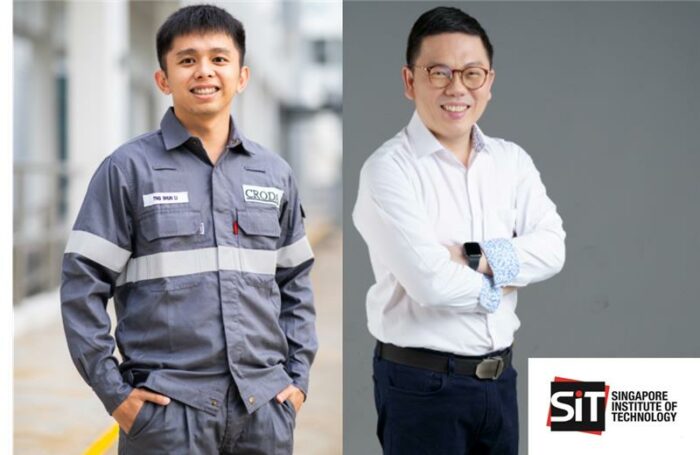
Programmes offered by SIT allow those already in the workforce to gain deeper skillsets and knowledge.
How human development can help lead the future of work

In his new book, Dr Bob Aubrey highlights the importance of human development as a professional field.
Delivering positive experiences key for success
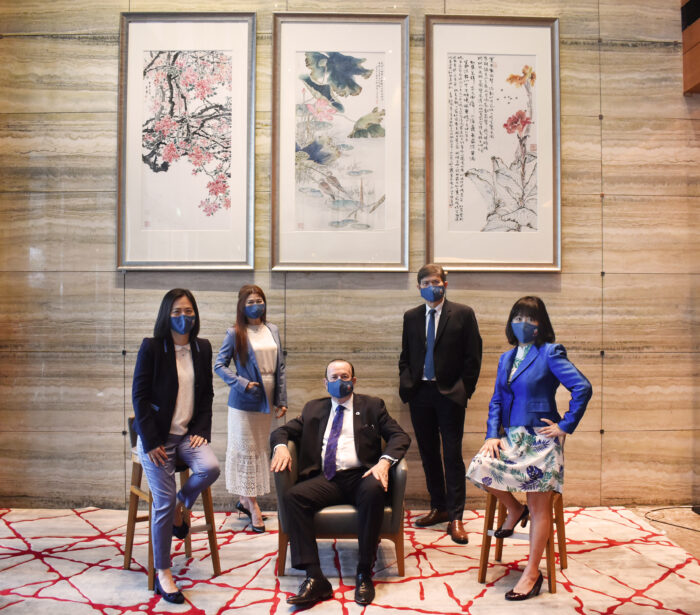
The management team from Ramada and Days Hotels by Wyndham Singapore shares insights on their organisational approach during the pandemic and beyond.
What HR needs to know about Pinterest’s US$20M settlement

The large, public settlement could be a bellwether for how other companies address diversity, writes HRE’s Jen Colletta.
Australia: NSW state ends WFH, but most staff still staying away from office

Many workers in New South Wales are opting to continue working from home.
Two Cents: The emergence of the hybrid workforce

Whether organisations decide to return to the workplace or continue remote work in 2021, employees will be the key to success.
Laid-off workers insured under Socso re-employed in Malaysia

Out of 100,000 employees insured under Socso who have been laid off, about 31% or 30,977 have found new jobs.
Employers in Singapore upskill foreign workers amid labour shortage

Employers may need to upskill or re-skill their foreign workers, especially in sectors where local staff are hard to employ.