

Learning in 2021 – Why the new context matters
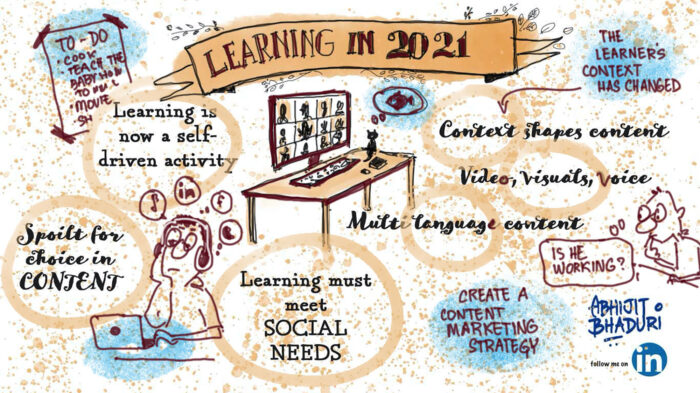
Digital transformation coach Abhijit Bhaduri explains why learning is taking on a new context in 2021, and what organisations need to pay attention to.
Singapore launches online tool to assess employees’ mental health

The Ministry of Manpower has launched iWorkHealth – a digital tool to identify areas of stress for employees, and on how to deal with them.
Redefining the role of L&D to bring about organisational success

Learning Technologies Asia 2021 will examine how organisations can develop their learning strategies to stay ahead, innovate and grow.
Singapore to raise retirement and re-employment age in 2022

The government also aims to support business transformation, help older workers, and spur the hiring of locals this year.
Gender pay gap in Australia drops marginally

The Workplace Gender Equality Agency (WGEA) has said the national gender pay gap decreased by 0.6 percentage points to 13.4% in the past six months.
How the supply and demand for skills are shifting

Ajay Sridharan, VP of Sales, India/South East Asia & Middle East, Degreed, provides insights on how organisations can support employee upskilling.
Australian employees given choice to increase working incomes

The Australian government is looking to allow employees to choose between increased take-home pay and higher pension contributions.
Job security is about staying employable

Singapore’s priority is to build upon the skills and experience that workers have accumulated, while breaking down barriers to new jobs.
‘Superpower’ your talent during uncertainty

Rhys Hughes, Regional Vice-President of Sumtotal, highlights why organisations should empower their employees to thrive during uncertainty.
Singapore MP proposes formalising labour laws to protect locals
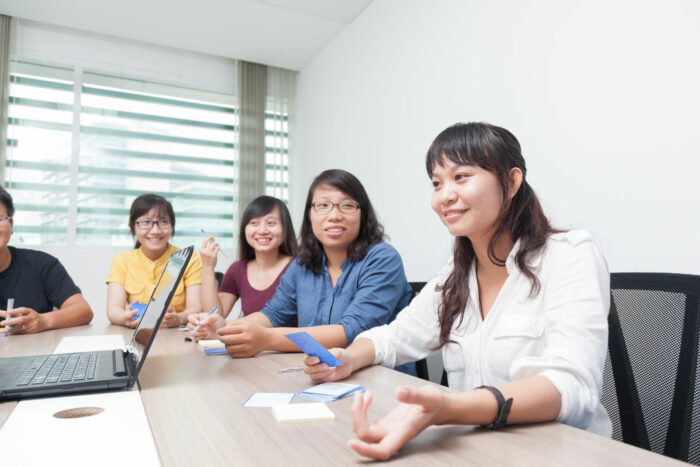
Labour MP Patrick Tay has said the country needs more formal labour laws instead of mere advisories and guidelines to protect local workers.
Singapore firms urged to invest in local talent
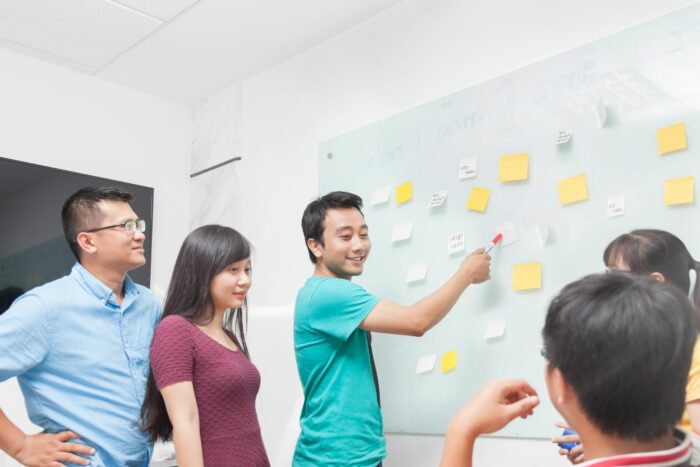
Investing in local talent and equipping them with skills relevant to a changing economy will help workers thrive and address the tech skills shortage.
Drive learner engagement in a world of unknowns

Rosie Cairnes, Regional Vice-President, Skillsoft Asia Pacific, details how organisations can drive learner engagement during uncertainty.
Two Cents: Agility defines the future of L&D
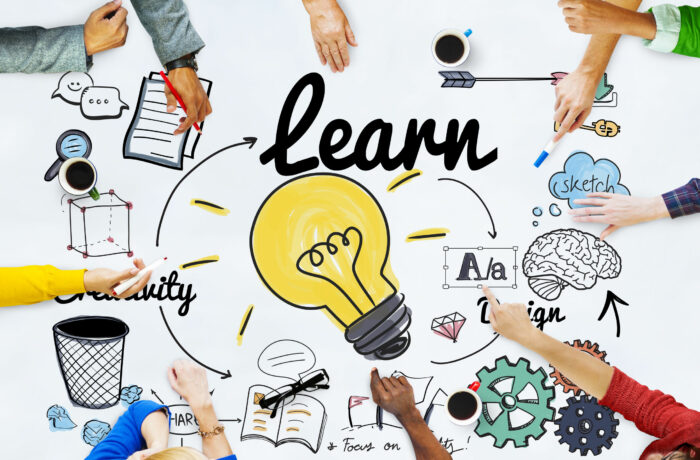
Organisations are beginning to redefine the role L&D plays in their organisations and how it relates to organisational success.
New Zealand government approves improved Holidays Act

The revised Holidays Act will provide clarity to employers and help employees receive their leave entitlements.
6 key facts about the multigenerational workforce in 2021

Rachele Focardi explains why generational diversity and inclusion is quickly becoming the hottest item on the agendas of CEOs and CHROs.
L&D enters a new era of learning and employee development

Leading up to Learning Technologies Asia, RedThread Research shared how the role of L&D is being redefined in a new world of work.
How to bring about a successful digital transformation

A new CCL report examines digital leadership in Singapore and highlights the need for improved digital transformation management.
Workplace culture and empowerment in the new digital economy

Derick Teo, Director, Enterprise Go-Digital Solutions, BIPO, shares his observations and insights on why building an employee-first culture is critical.
#BetterMe by AXA helps organisations construct more resilient workforces

#BetterMe by AXA is designed to help build a healthier and more productive workforce.
Malaysia’s Yayasan Peneraju has certified over 36,000 bumiputeras

Yayasan Peneraju, an initiative to strengthen the capacity of bumiputeras (local Malays), has trained and certified over 36,000 bumiputeras since 2012.
Rethinking compensation for a new work environment

Organisations also need to update their indicators for the new normal, and make data-driven decisions to inform their HR strategy.
France relaxes rule to allow workers to eat within work premises

The government has relaxed its labour code that explicitly forbids workers “to have their meals inside work premises”.
Australian MP calls on six months parental leave for fathers

This would encourage fathers to share care of the child, causing less disruption and long-term impact to women’s careers, she says.
Philippine MSMEs cannot afford wage increase amid pandemic

Employers Confederation of the Philippines (ECOP) believes that raising daily wages by P100 (US$2.1) will likely result in more unemployment.
Indian employees can opt for four-day work week soon

Labour and employment secretary Apurva Chandra said the new labour codes would provide the flexibility of four working days in a week.
Singapore employers not looking to adjust pay despite new norm of WFH

Most employers are not considering adjusting their staff’s salary even as remote working has become a trend.
Some 300,000 Australians benefit from wage hike

This covers the country’s retail, fast food and warehouse workers, as well as those who work in aviation, arts and recreation, and tourism.
Taiwan protects working rights of middle-aged and senior workers

The Executive Yuan has passed a new Act to address the challenges of an ageing population and potential future labour shortages.
Top employers are reinventing the role of HR

Working with Asia-Pacific’s top organisations, Top Employers Institute is continuing to identify trends in HR strategies and workplace practices.
Employers in Singapore urged to adopt hybrid working arrangements

Multi-ministry COVID-19 taskforce co-chair and education minister Lawrence Wong has said a total work-from-home arrangement is “not doable”.