

South Korea deliberates on next year’s minimum wage

The Minimum Wage Commission hopes to strike a balance between the conflicting interests of businesses and unions.
Companies in Japan reluctant to provide lengthy parental leave

There is a large gap between the length of paternal leave employers think is appropriate and that which male employees want to take.
Calls for flexible work arrangements for frontline workers in Australia

These could include providing options for flexible rosters, shift swapping, job shares, compressed work weeks, split shifts and multi-skilling.
72.7% of South Korean big firms support remote work

Despite the easing of pandemic measures in the country, large companies are continuing to allow their employees to work from home.
Japan to increase investment in human resources
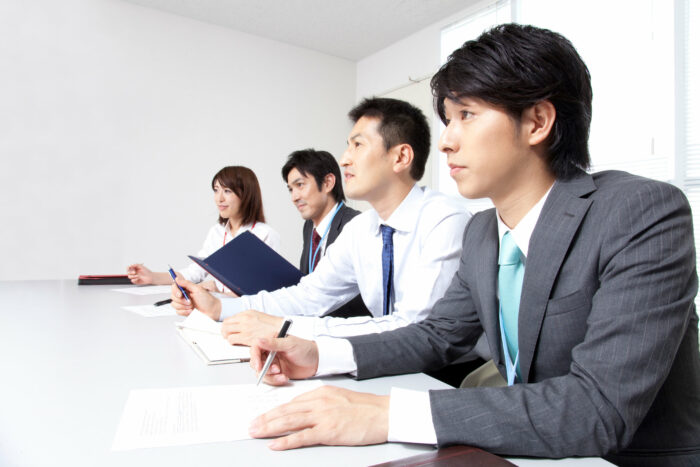
The Cabinet has approved the first annual fiscal and economic policy blueprint that pledges aggressive investment in human resources.
Shanghai announces subsidies to boost employment

The city is pushing out two measures for alleviating the financial burden on seven key industries seriously affected by the pandemic.
Transition to flexible work begins in the Philippines

Starting from June 15, new flexible work arrangements (FWA) in the public sector will cover 1.7 million employees.
Indonesia aims to make Bali a remote work hub

A special five-year visa will be issued to lure remote workers and business-leisure travellers back to Bali and other destinations.
Singapore plans more attractive and flexible workspaces

Such workspaces will support innovation and consider the new needs of businesses and workers in the future economy.
Employers and workers reject approved pay hike in the Philippines

Wage hikes ranging between P30 (US$0.78) and P110 (US$2.86) are set to take effect in at least 14 regions this month.
Eco-friendly policies could entice Australian workers back to office

‘Going green’ could bring workers back to the city and create a conducive work environment that improves health and wellbeing.
Thailand to implement moderate minimum wage hike
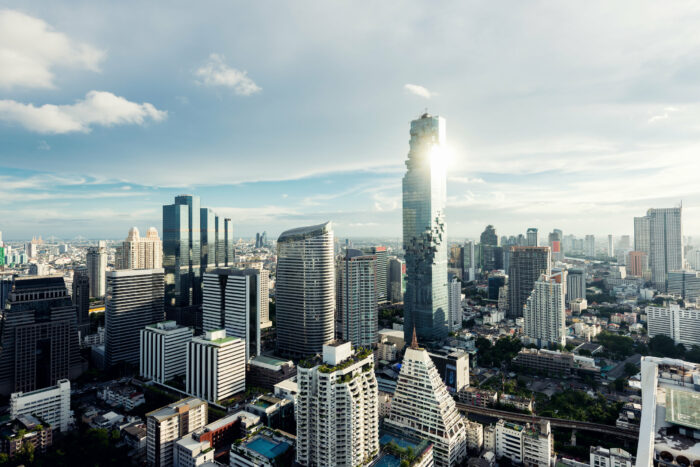
The minimum daily wage hike this year will not be a sharp one to protect businesses still reeling from the economic impact of the pandemic.
More Australian employers certified “family inclusive”

Of the 70 employers that have achieved the Family Friendly Workplaces (FFW) certification, 70% are providing gender equal access to paid parental leave.
Japan to offer more growth opportunities for startups

The government will draw up a five-year plan by the end of this year to support startups and increase investments for their promotion by 10 times.
Malaysian workers found more employment opportunities in Q1’2022

Job vacancies advertised online in Malaysia soared up to 159,148 in the first quarter of 2022 compared to 90,218 in the same quarter last year.
Millions of Australians to see biggest pay increase in years

If implemented, a 4% minimum wage increase will represent the biggest percentage increase in more than 10 years.
Malaysia pushes for menstrual leave policy

The HR Ministry has urged government-linked companies and private firms to implement menstrual leave policies without waiting for legislation.
Employees in Taiwan saw wages rise in 2021
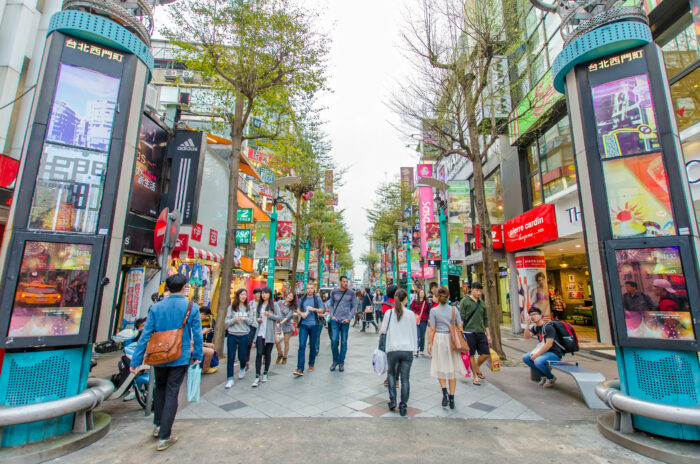
Wages rose in many sectors as revenue grew amid a stable global economy, said the Directorate-General of Budget, Accounting and Statistics (DGBAS).
Developing human resource capacity key to workforce resiliency

Indonesia’s Coordinating Economic Affairs Minister Airlangga Hartarto highlighted this while sharing the country’s employment improvement strategies.
Central body tasked with narrowing gender inequality in Japan

The government has initiated a plan to establish an organisation to serve as the national central body for regional gender equality centres.
Companies in the Philippines urged to upscale digitalisation

Companies are also encouraged to ensure that workforce education matches the acceleration of digital technology.
South Korea moves to support long-term growth of SMEs

Working in tandem with the government, the heads of the nation’s five largest conglomerates have pledged their support for SMEs in the country.
Japan to double budget for childcare support

Measures being considered to support the budget include companies and workers paying premiums to a child insurance system.
Adopting a skills-based approach to define job fit and competencies

A tight labour market is prompting the upskill and reskill of employees to meet manpower needs, and is providing more opportunities for jobseekers.
Most South Koreans want women to keep working after childbirth

To address workplace gender inequality, most South Koreans support the return of women to the workforce after childbirth.
Some graduates in Japan struggle to find right job fit

The most common reason new graduates gave for leaving a job within three years was that the “job was not a good match” (40.1%), according to a survey.
5G network expected to create employment boost in Malaysia

The deployment of the fifth-generation network (5G) in the country has been projected to create about 148,000 new jobs.
Indonesia looks to improve MSME support system with new database

An integrated Micro, Small, and Medium Enterprises (MSMEs) database is being created to link ministries, institutions, and regional governments.
Malaysia’s labour market momentum escalated in Q1 2022
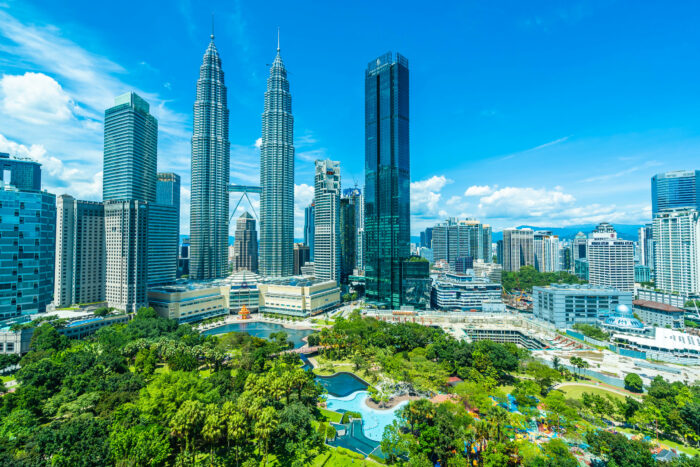
Malaysia’s labour market momentum escalated in the first quarter of 2022 as both demand and supply ascended further.
China’s urban employees see average salary grow in 2021

The average salary of China’s urban employees in the non-private sector topped 100,000 yuan (US$14,929) for the first time.