
Total employment in Singapore expected to stagnant
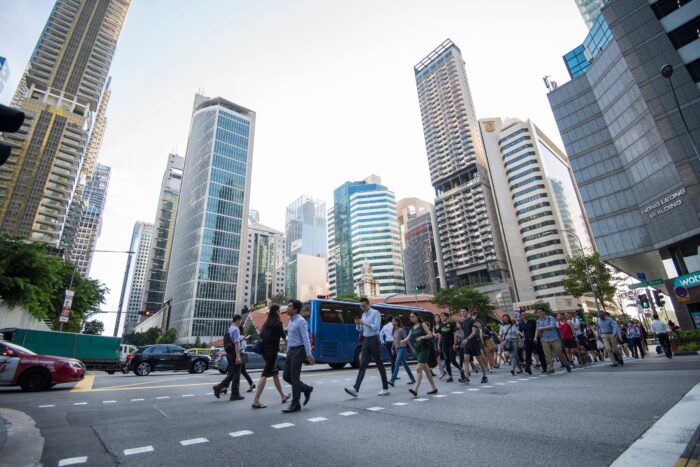
Although employment grew in Q3’2022, global conditions are likely to create an uncertain labour market in the coming months.
Bringing the best out of employees with performance management

Tony Tran, Lead People Scientist, Culture Amp, explains why effective performance management can help create happy and productive employees.
Australia strengthens flexible work rights with new workplace legislation

As part of the new legislation, flexible work will be made more accessible to employees who are parents or care givers, among others.
Younger employees struggling to adjust to flexible work

Besides facing burnout, some 20% of these employees have also expressed stress related to a lack of learning and development opportunities.
Singapore plans to double number of certified HR professionals by 2025

As workplace fairness guidelines become law, more HR professionals are needed, says Member of Parliament Patrick Tay.
Employees in Japan can receive wages through e-wallets from April 2023

Such digital wallets will have a maximum balance of 1 million yen, and employees can use the funds to make purchases or remittances directly.
New Zealand passes Fair Pay Bill to improve employment conditions

Under the Fair Pay Bill, workers will gain a right to a minimum level of training and development from their employers.
Singapore firms find talent retention and reskilling schemes most relevant

Besides schemes that help train and retain employees, firms also applied for programmes that have helped them digitalise and adopt technology.
Increasing hybrid work transforms firms in Australia

Employee experience and overall business processes are changing as employees embrace remote work post-pandemic.
Remote work increases happiness levels among employees in Japan

Remote employees are able to spend more time with their families, sleep better, and experience less stress from commuting to the office.
College graduates in South Korea not actively seeking employment

Besides the lack of job vacancies, some South Koreans are taking time to better prepare, which accounts for their inactivity in the job market.
Hybrid work arrangement still prevalent among office workers

Commuting patterns have not returned to pre-COVID levels as organisations continue to offer hybrid work.
Remote workers in Japan get more sleep

Working remotely allows employees to sleep better and feel satisfied if they balance telework and office work appropriately.
Australia extends paid parental leave to more families

From July 2023, parents hoping to qualify for the extended parental pay scheme will be assessed on their combined income.
Work flexibility can address employee burnout

Flexible schedules can reduce burnout, increase employee engagement and loyalty, and promote business success.
Closing the gender gap with pro-female entrepreneurship policies

In addition to helping new enterprises grow, e-commerce could raise women’s participation in the workplace, said the World Bank.
Indonesia to improve job training for PWDs

The Social Affairs Ministry will be improving training for people with disabilities to widen their access to job opportunities or employment.
Majority of Chinese at retirement age want to remain employed

Among the reasons why senior workers wish to re-enter the workforce are self-esteem and financial pressure, according to a survey.
Australia signs off on workplace relations law

The new legislation is intended to support low-paid employees, particularly women, in negotiating better pay packages and working conditions.
Work expectations in hybrid workplaces vary
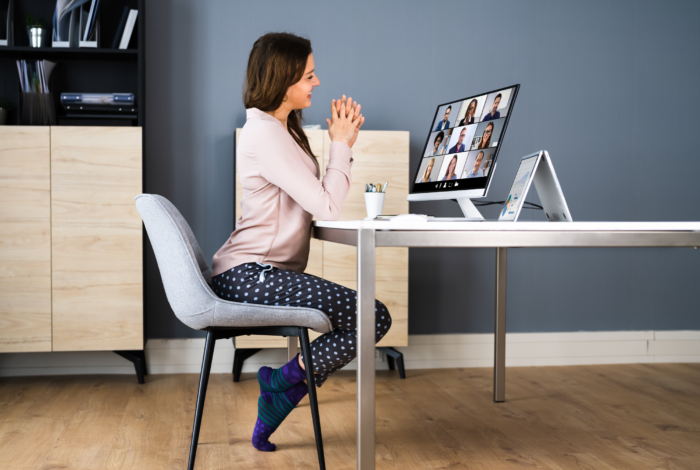
Despite the convenience, employees working remotely are concerned about fatigue and isolation, an IR survey finds.
South Korean young adults taking longer to find jobs

New data has found that nearly 360,000 young adults in South Korea spent more than three years in landing their first job.
More flexibility needed to encourage gig workers to contribute to pensions
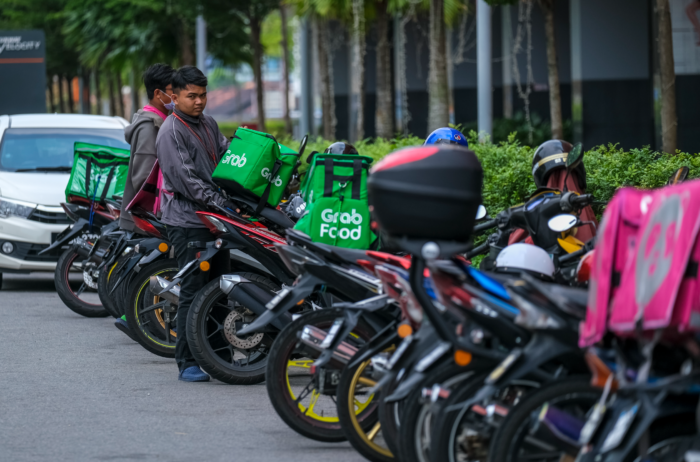
Bringing the informal workforce into formal pension systems has been a question facing pension systems around the world.
Reimagining work: How CHROs are leading from the front
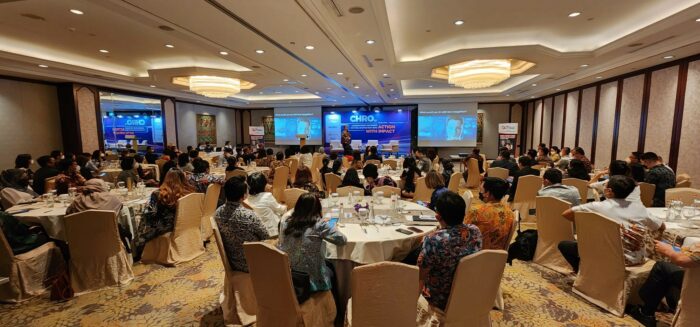
Organised by HRM Asia, the CHRO Series Indonesia is kicking off today at the Shangri-La Hotel in Indonesia.
Thailand urges workers to upgrade their skills

Thai workers must be upskilled as the government reaffirms its commitment to the Eastern Economic Corridor (EEC) project.
Four-day workweek firms see surge in job applications

While companies have witnessed a surge in job applications, it does not necessarily equate to finding the right candidate.
Australia calls for employees’ rights to “disconnect”

To better protect employees’ mental health and wellbeing, the Senator committee is advocating for new protections for flexible work.
Indonesia boosts women’s work participation

Employees’ skills, financial independence, and financial inclusion have so far been improved through the Pre-Employment Card Programme.
Cambodia takes lead in women’s employment in ASEAN

Cambodia has 49 women working for every 100 employed individuals, a higher rate than Singapore, which has 47.
Singapore plans to upgrade workforce reskilling programmes

The government plans to enhance its reskilling programmes to better meet the needs of mature and mid-career workers.
South Korea’s 52-hour workweek under scrutiny

A presidential advisory group has called for flexibility in implementing the 52-hour workweek which was first adopted in 2019.