

Employees of South Korea’s Kakao reject calls to return to office

More than 50% of Kakao employees have reportedly joined the Krew Union in response to a mandated return to office this March.
Japan plans new family initiatives to support non-regular workers

Non-regular workers, self-employed individuals, and freelancers with children may soon be eligible for a child-rearing allowance.
CTW increases focus on ESG and sustainability

Richard Thompson has been appointed as the company’s Global Head of ESG and Employee Experience.
Leung Cheong Tai joins Kantar as CEO of Insight APAC business

Moving from GfK to Kantar, Leung will focus on leading Kantar’s regional team to develop relationships with its new and existing partners.
Manpower and higher costs remain core challenges for firms in Singapore

The business outlook for 2023 is more cautious, considering the challenges in manpower, wages and inflation that are anticipated to continue.
Job additions in South Korea hit 22-year high
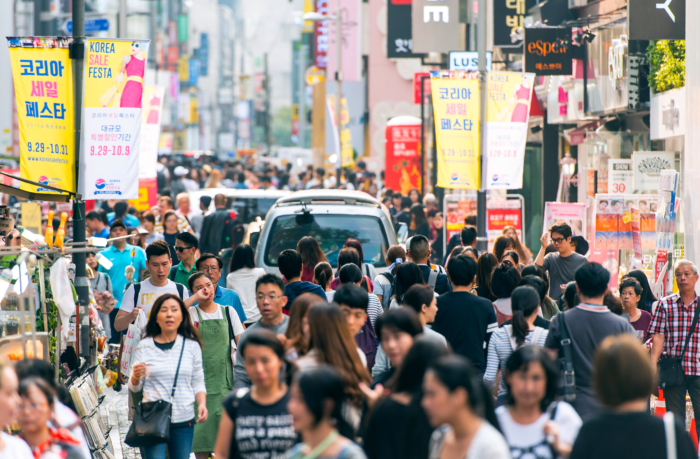
The country is gradually returning to pre-pandemic levels with an addition of 816,000 jobs in 2022, the highest increase recorded in 20 years.
Paessler strengthens Asia-Pacific team with key appointments

The appointments come as the company looks to continue its strong growth momentum in the Asia-Pacific region.
What can organisations learn from the mistakes employees make?

Henley Business School’s Professor Ben Laker highlights how organisations can foster a culture of learning through embracing mistakes.
Some employees in Malaysia still working longer than required hours

Complaints have been filed about employers violating the 45-hour workweek requirement to the Malaysian Trades Union Congress (MTUC).
Singapore explores more support for gig workers and older workers
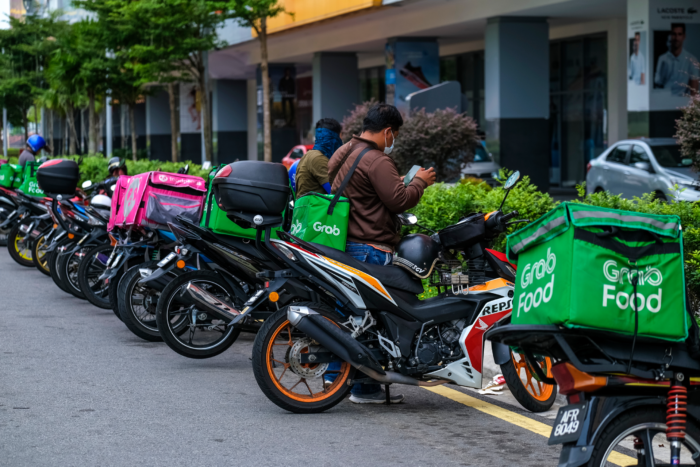
The National Trades Union Congress (NTUC) wants more opportunities and protection to be created for a growing gig workforce and older workers.
Disney employees prepare to return to the office

CEO Bob Iger has cited the importance of in-person collaboration as the reason for asking employees to be in the office four times a week.
Employees in Japan can choose to stay longer in the workforce

With Japan facing a talent shortage as the population ages, firms are encouraged to do more to support older employees who want to continue working.
Achieving work-life balance through flexible work

Flexible work arrangements and reduced working hours are some of the ways organisations can help employees find the optimal work-life balance.
Wage hike tops South Koreans’ new year wish list

Apart from higher wages to cope with rising inflation, employees in South Korea also want reduced work hours and a better work-life balance.
Baker McKenzie boosts employment practice in Hong Kong

The appointment of Tess Lumsdaine will allow Baker McKenzie to help cllients structure employment arrangements and improve change management.
Australia introduces pilot project for disability employment

People with disabilities will benefit from the programme as it explores innovative approaches to drive change in the workplace.
How Netflix’s Co-Founder keeps his work-life balance in check

Marc Randolph, Co-Founder of Netflix, considers his greatest achievement as spending Tuesday evenings with his wife, despite his hectic schedule.
Pfizer introduces 12-week paternity leave policy

Fathers are entitled to take leave in four tranches under the new policy that came into effect on 1 January 2023.
Should organisations introduce more meeting-free days?

Removing recurring meetings can free up time for employees to prioritise and work on projects that really matter.
Talent the top concern for Australia’s business leaders in 2023

Digital transformation and cybersecurity are also among organisation’s top priorities, a KPMG Australia survey has found.
Employees in Singapore can expect to be paid higher salaries in 2023
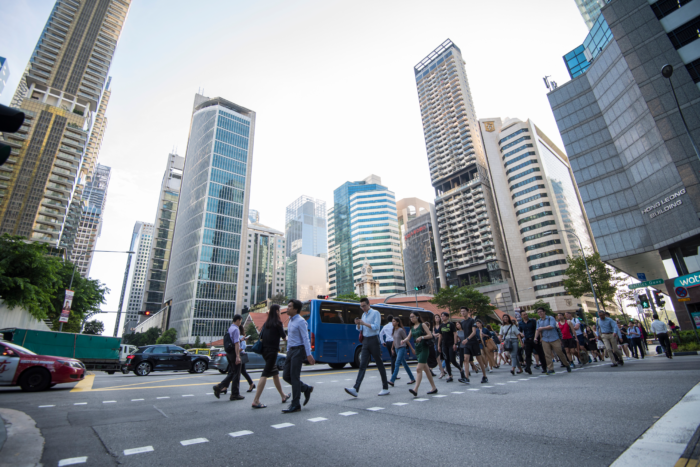
Despite a decline in net employment, organisations in Singapore are ready to offer increments and bonuses to attract and retain talent.
Japan commits to raising wages to achieve inflation target

Japanese Prime Minister Fumio Kishida aims to create an economic structure where wages are raised yearly to transfer wealth from firms to households.
LG Uplus extends marital benefits to unmarried employees

An unmarried male employee has received a month’s wage and five days of leave, which is equivalent to what newlyweds have been receiving from LG Uplus.
Work from home experiences differ for couples

A study suggests husbands should be given more flexibility at work to support their wives in accomplishing their work and family responsibilities.
You should not be in a work meeting, Shopify tells employees

Saying that employees did not join Shopify to sit in meetings, the company has moved to remove most meetings from the calendar of employees.
Flexibility for employees in India as hybrid work set to stay

Despite concerns over a surge of COVID-19 cases in the country, many organisations are not deviating from existing hybrid work policies.
Sustainable growth a key focus for companies in South Korea
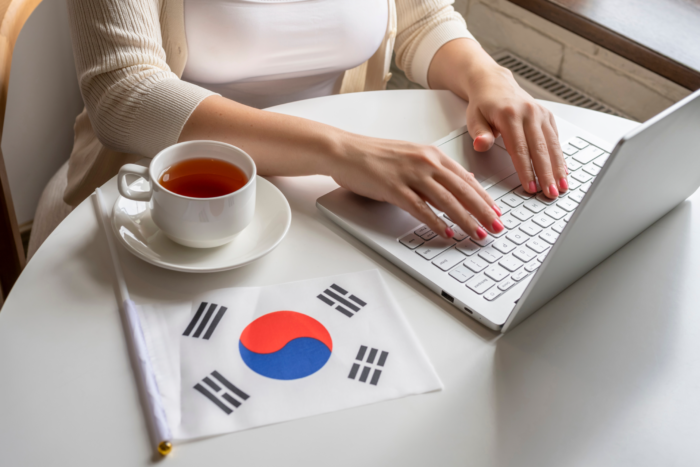
The CEOs of POSCO Group, KT and Samsung SDI identified strengthening social responsibilities and securing competitiveness as their focus for 2023.
Patrick Graham appointed as CEO of Manulife Hong Kong and Macau
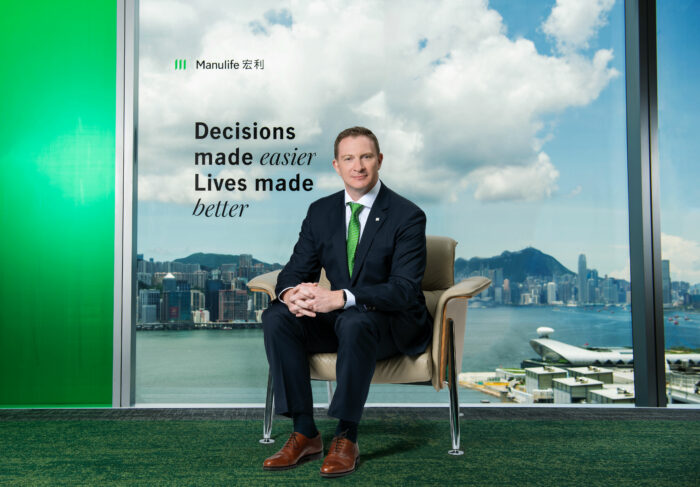
The appointment of Graham highlights Manulife’s commitment to Hong Kong and Macau and the company’s ambitions in the region.
Creating a healthier, happier and more productive workplace in 2023

Improvements to hybrid work and workplaces adding social aspects to bring people together are some of the workplace trends that can be expected in 2023.
The Philippines commits to a violence-free workplace

The ILO Convention 190 policy protects employees from violence and harassment, which includes gender-based discrimination at work.