

Taiwan’s unemployment rate falls to 3.66% in November

The number of first-time jobseekers and workers who quit their jobs fell by 4,000 over the same period, as Taiwan’s economy continues to recover.
Unemployment rate fell to 2.6% in November in South Korea
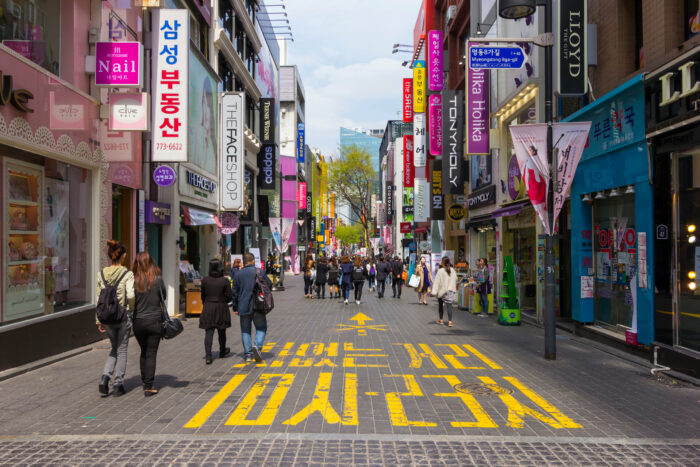
The jobless rate was 2.6% in November, down 0.8 percentage point year-on-year. The rate was 3.1% on a seasonally adjusted basis.
Future of remote work will depend on nature of industry and job role

The cost savings of remote working are attractive as employers do not have to pay rent for office space, building utilities, and compensation for transport.
Japan PM urges companies to increase wages next year

Prime Minister Fumio Kishida said he would do everything possible to create an environment for firms to raise wages.
Singapore extends COVID-19 recovery grant to December 31 next year

Applicants who did not receive support under the grant this year can receive up to three tranches in 2022 should they meet the requirements.
More Australian professionals resigning for jobs with better pay

Professionals who have postponed their career moves during the pandemic are now quitting their jobs for better-paid ones.
Hong Kong’s unemployment improves in September-November quarter

Across most sectors, the unemployment rates fell in the September-November quarter as compared with the preceding three month period.
China moves to reduce workplace gender discrimination

Under new regulations, employers cannot ask female job applicants if they intend to get married or pregnant, or to make them take pregnancy tests.
Singapore doles out over S$400 million under Jobs Support Scheme

Supporting the wages of over 380,000 local workers, this brings the total amount of JSS support to over S$28 billion since the scheme was introduced.
India likely to implement 4-day work week

If the country’s new labour codes are implemented, there is a likelihood that workers in India may be able to enjoy a four-day work week in FY2022-2023.
Women and youth found to bear brunt of job losses amid pandemic

These workers were more likely to lose their jobs because they dominated sectors that were hard-hit, like hotels and restaurants, wholesale, and retail.
Businesses increase hiring as economy reopens in the Philippines

The employment outlook index is 24.5% for the first quarter of next year compared to the previous quarter’s 6.2%.
Japan enacts additional budget to fund economic recovery package

To cover most of the supplementary budget, the government will have to issue new bonds worth 22.1 trillion yen by March 2021.
Jakarta increases provincial minimum wage for 2022
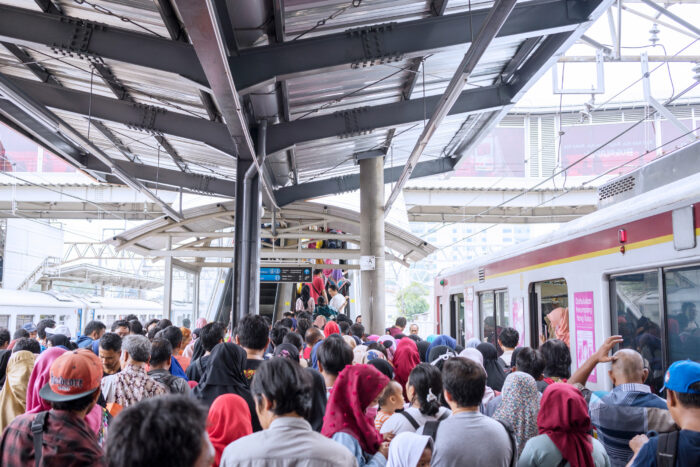
The provincial minimum wage of Jakarta has been raised by 5.1% to IDR4.6 million for 2022, according to Jakarta Governor Anies Baswedan.
China aims for one million innovative SMEs by 2025

It also aims to cultivate 10,000 “little giant” firms, or smaller businesses still in their early stage of development that focus on high-end technologies.
Thailand launches 2nd phase of job retention programme for SMEs

Small and medium enterprises (SMEs) can now register for the second phase of the recently announced Job Retention SME programme.
Workers find WFH beneficial to wellbeing and performance

The ideal amount of telework is two to three days in a week, an allocation optimal to balance the benefits and costs of remote working.
Majority of South Korean businesses opt for WFH even after pandemic

About 75.2% of businesses said they plan to either continue remote-work policies at the current level or partially downscale it when the pandemic ends.
Hiring incentives help retain local workers in Malaysia
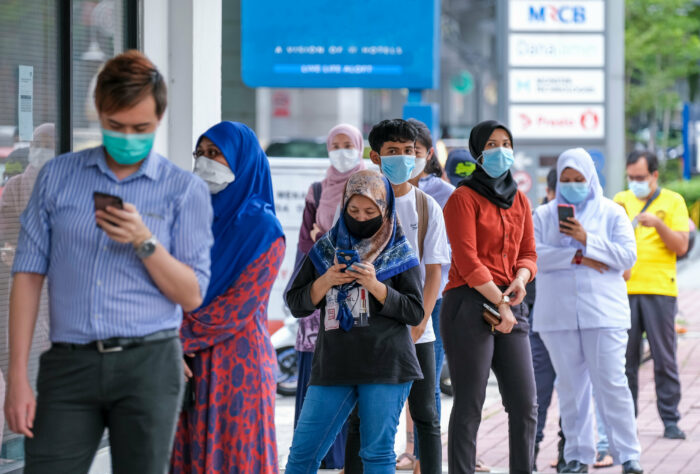
As of December 3, some 15,097 employers and 116,316 employees have received PenjanaKerjaya 1.0 benefits worth RM639.3 million.
Indonesia aims to distribute wage subsidies by year end

The Ministry of Manpower is aiming to finish distributing the Wage Subsidy Assistance (BSU) to 1.7 million beneficiaries by the end of 2021.
Unemployment rate in Australia falls as pandemic restrictions eased

The easing of restrictions in New South Wales and Victoria impacted the national jobs figures significantly, with employment rising in both states.
Cambodia plans third co-financing scheme for SMEs
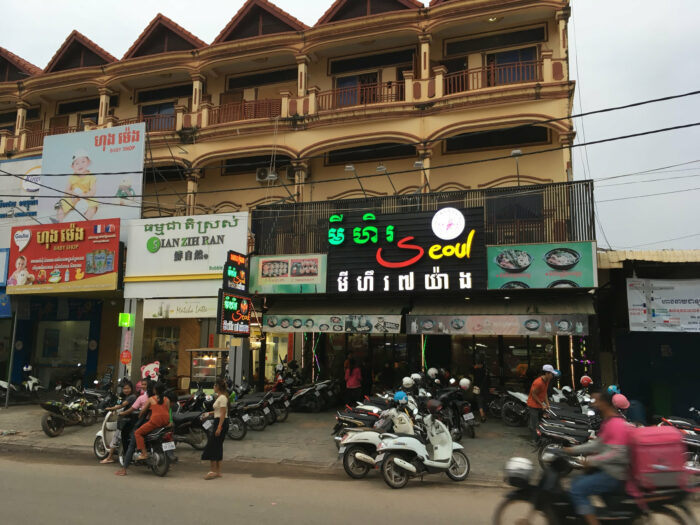
The government will, through the state-run SME Bank, offer US$250 million worth of loans to SMEs in the country.
November saw employment continue to rise in South Korea
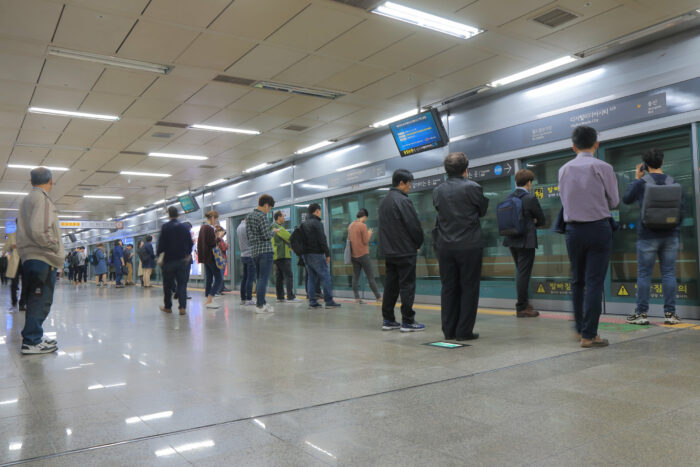
However, jobs addition fell below 600,000 for the first time in three months, which was attributed to the resurgence of the COVID-19 outbreak.
China’s urban areas saw 12.07 million jobs created

A total of 12.07 million new jobs were created in urban areas across China from January to November this year, outperforming the 11.00 million target set.
Thailand expects digital finance to boost economic growth in 2022

The digital finance service is part of a smart payment infrastructure connecting government agencies, lenders and businesses with digital technology.
Singapore’s resident employment grew in Q3
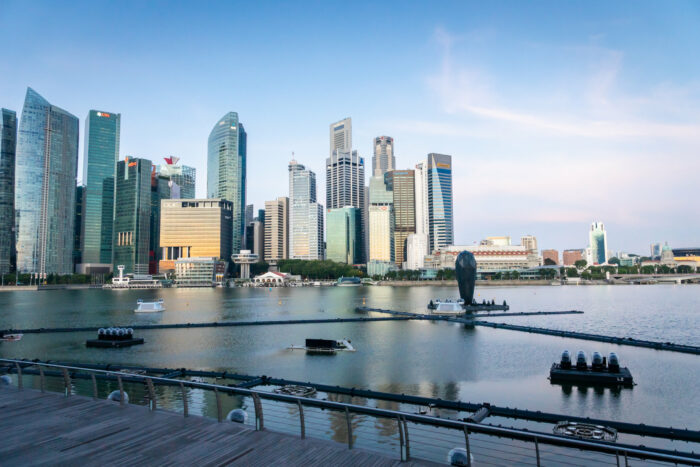
Resident employment grew by 19,100 in Q3 but, at the same time, non-resident employment fell by 21,500, said the Ministry of Manpower (MOM).
Younger workers in South Korea face greater employment woes

Workers who had graduated from college or high school less than a year ago were found to face more difficulty finding jobs.
Malaysia mulls enacting new regulations for gig sector
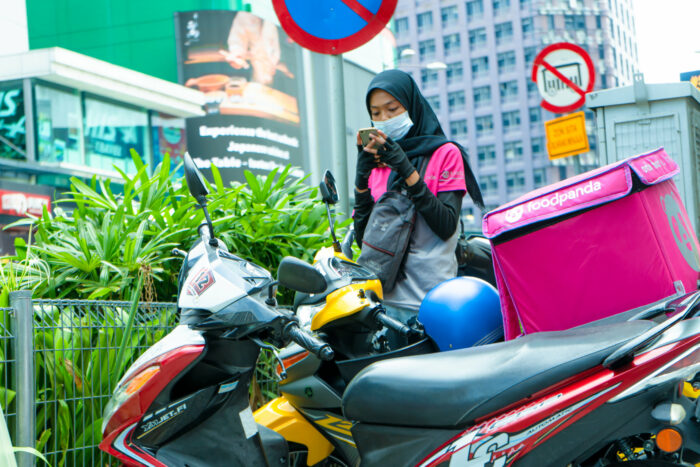
New legislation is being considered to protect and safeguard the welfare and safety of workers in the gig sector.
Thailand allocates 2.4 billion baht for digital initiatives

One of the projects is an identification programme, aimed at helping SMEs access government e-services and promoted government projects.
WFH no longer default arrangement in Singapore

From January 1 next year, up to 50% of employees who can work from home will be allowed to return to the office.