

New Zealand rolls out plans to ease IT skills shortage

The country aims to nurture local talent, instead of relying heavily on skilled foreign workers in the industry.
Employment opportunities increase in Malaysia
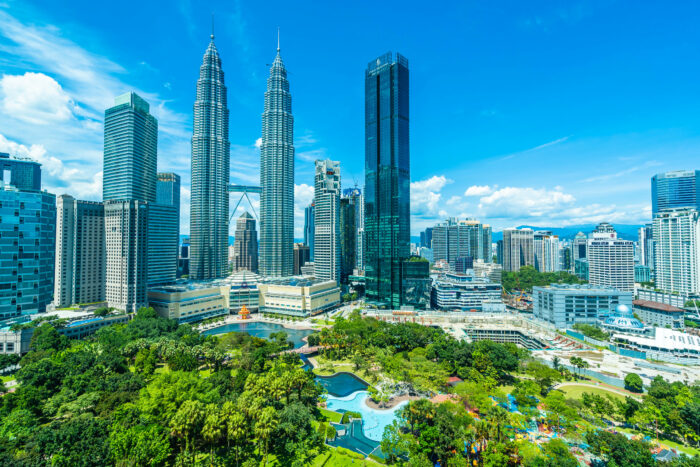
The number of jobs in the country reached 8.53 million jobs in the fourth quarter of 2021, the highest number recorded during the pandemic period.
Regional Australia facing shortage of workers

Workers employed in regional Australia last December was just 1% more than in December 2020, while job ads ballooned by 36%.
Minimum wage raise under consideration in Hong Kong
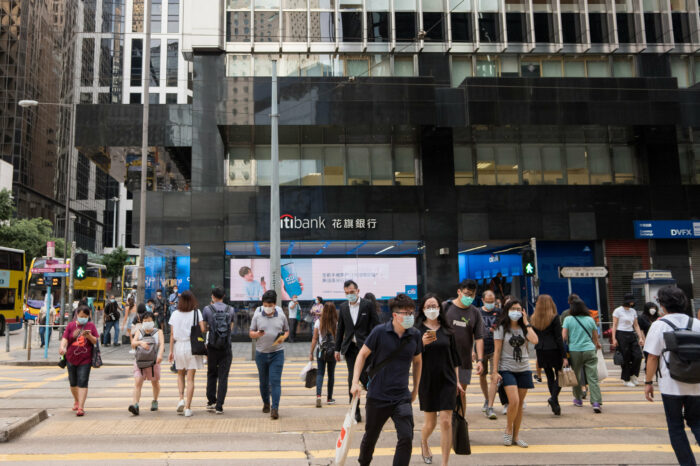
Secretary for Labour and Welfare Law Chi-kwong has said the minimum wage, frozen at HK$37.50 (US$4.8) since 2019, may be raised this year.
Less firms in Singapore tap into pandemic support

S$8.6 billion in loans was provided to 12,600 companies in 2021, compared to S$18 billion to 21,000 companies in 2020.
How organisations can win the talent war in 2022

In a new world of work, organisations need to think beyond just monetary rewards if they are to attract and retain the best talent.
Malaysia’s SME body calls for labour law reform and productivity

The HR Ministry has been urged to focus on reforming labour laws to keep up with the gig economy and the reality of a post-pandemic age.
New Zealand to raise minimum wage to NZ$21.20 from April

The move is designed to strike the right balance between retaining the standard of living for low-wage workers and meeting the needs of businesses.
Rising workforce numbers and Industry 4.0 challenge Indonesia’s HR
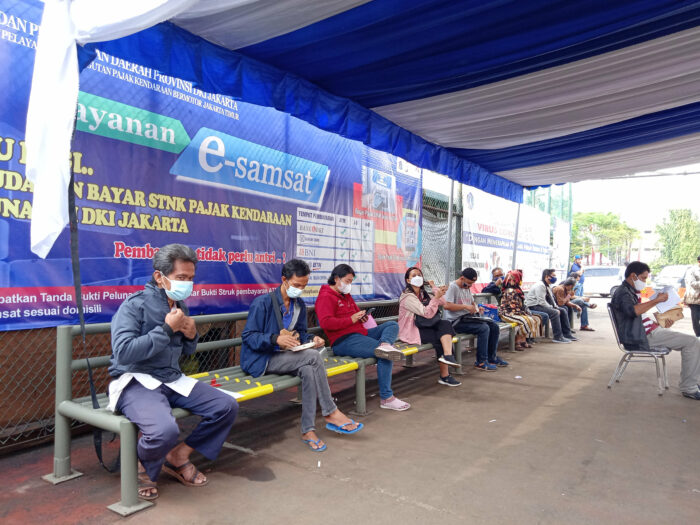
The huge demographic “bonus” and Industrial Revolution 4.0 (4IR) will drive manpower challenges, said Manpower Ministry official.
Men in Australia twice as likely to be paid more than women

Some 22% of company boards also do not have a single woman on them, while less than one in five CEOs are female, a report has found.
First flat rate for minimum wage decided in Thailand
The Labour Ministry is expected to approve the country’s daily minimum wage from 336 baht (US$10.2) to a flat rate of 492 baht (US$15.0).
Malaysian worker unions push for minimum wage hike
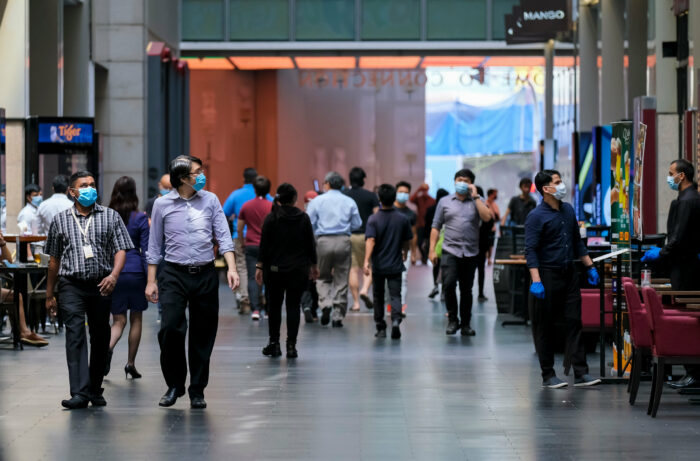
Employees have suffered as much as employers during the pandemic, said the Labour Law Reform Coalition.
Green economy increases employment in Indonesia

Indonesia is increasing its investment in the green economy, which is said to be able to generate ten times more jobs than other industries.
Hong Kong to dole out cash subsidy for the unemployed
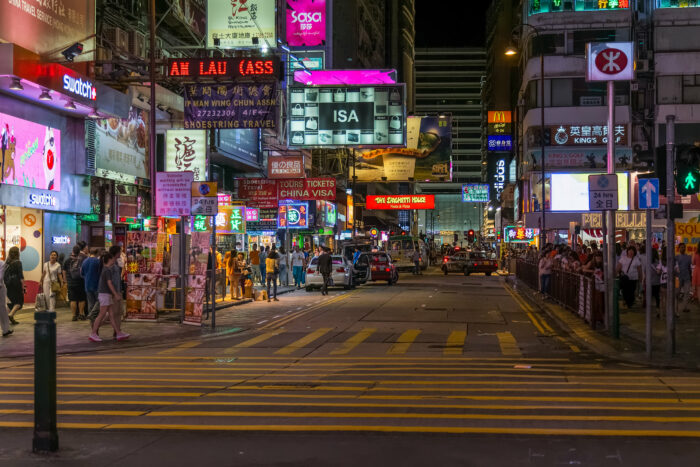
The handouts will exclude workers who lost their jobs before the current wave of outbreaks began last December.
Malaysia’s labour market improves with lower unemployment
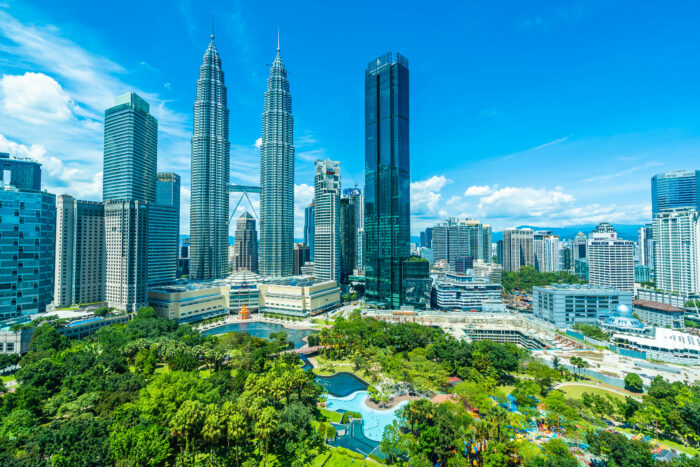
The unemployment rate dropped to 4.2% in December from 4.3% in the previous month, the Department of Statistics Malaysia (DOSM) reported.
Japan rolling out digital training programmes to foster tech skills

The educational programmes are slated to start in fiscal 2022, and are designed to improve the employability of Japanese workers.
3 ways to turn the Great Resignation into a Great Retention moment

Besides offering attractive salaries and wages, how else can organisations retain employees when there is a shortage of talent?
Australia’s companies narrow gender super gap

About 49% of employers in the database of Workplace Gender Equality Agency (WGEA) pay super on their parental leave scheme.
Number of furloughed workers in Taiwan falls

In recent weeks, the number of furloughed workers in Taiwan has hovered around 10,000, which indicates a stable trend, said an official.
Japan’s corporations are spending less on wages

Corporations have been spending less of their profits on wages since the end of the bubble economy about 30 years ago, a government study finds.
Malaysia encourages businesses to WFH where possible

Employers have been told to avoid face-to-face meetings for now, and are encouraged to help their workers undergo regular COVID-19 tests.
The Philippine government urged to help repatriated migrant workers
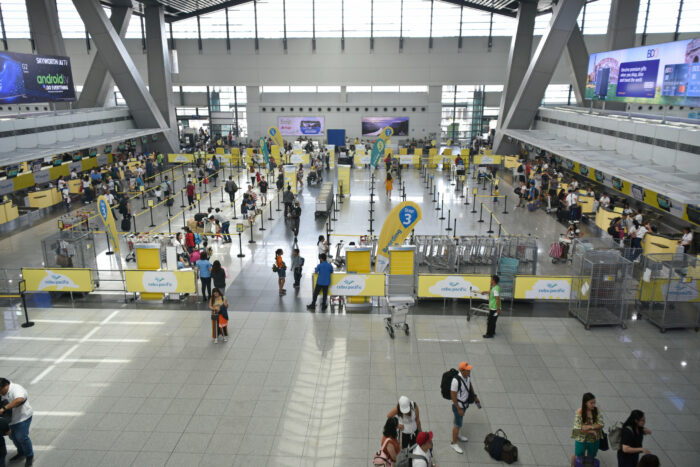
The Asian Development Bank (ADB) has said the unprecedented return of overseas Filipino workers (OFWs) is creating growing challenges.
India resumes full office attendance for central government employees

Heads of departments are also called on to ensure that employees wear face masks at all times, and abide by the appropriate social distancing measures.
Recovery memo not needed to return to work in Singapore

Workers will not be required to present memos from general practitioners (GPs) to prove that they have recovered from COVID-19 infections.
Average wage of foreign employees in South Korea to exceed 30 million won
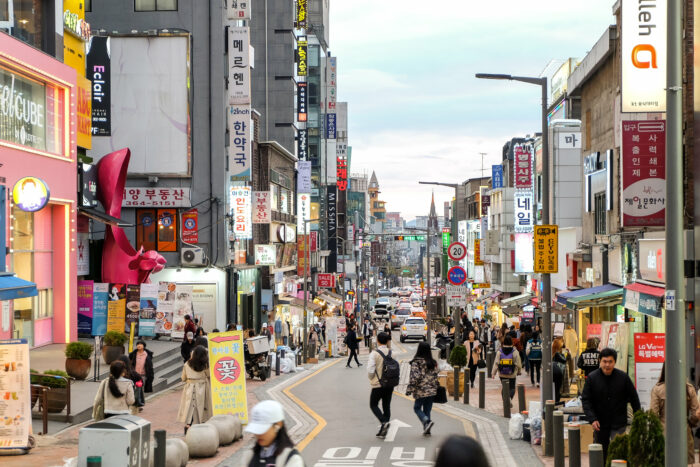
This prediction is based on year-end tax adjustments of foreign employees’ official tax data, with the majority of these workers coming from China.
Minimum wage increase opposed by Malaysian business group

The Malaysian Employers Federation (MEF) said the proposed increase in the national minimum wage to RM1,500 (US$359) will shutter struggling businesses.
Hong Kong considers short-term subsidy for jobless residents
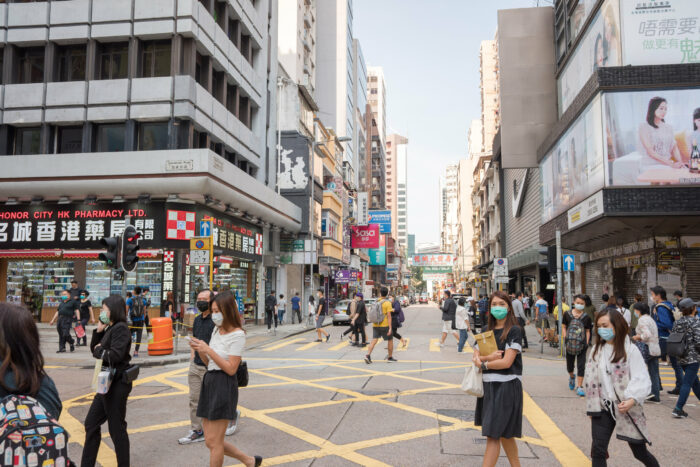
Prior to this, the authorities had said that those who were unemployed could get help from existing social welfare schemes.
Lifelong learning key for success of hybrid work

Peter Kokkinos, VP For Asia Pacific Udemy Business, highlights how organisations can grow in a hybrid world of work.
Singapore companies urged to have business continuity plans in place
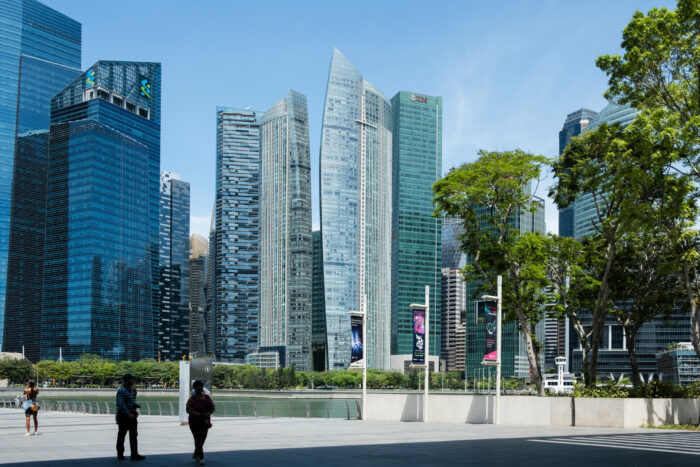
Businesses should have procedures for staff to work longer hours to cover the work of their colleagues as Omicron cases rise, said a tripartite advisory.
WFH blurs boundaries between work and play, says WHO

WHO also highlighted some positives from teleworking, which was found to have a positive effect on self-reported health.