
The power of “weak ties” in securing your next job

In the process of a job search, acquaintances are found to be more vital than close friends or family, particularly among employees in high-tech sectors.
Japan plans to review law to protect freelancers

A bill that aims to provide more protection to freelance workers will be submitted to Japan’s parliament this autumn.
Employment gap in India caused by gender discrimination

The likelihood that women will participate in salaried or self-employed jobs does not increase with their degree of education, a new report has found.
Indonesia prioritises more inclusive workplaces

Ensuring workers’ rights is key to building inclusive and safe work environments in a recovering world of work, says Vice President Ma’ruf Amin.
Most South Korean workers cannot adopt flexible work arrangements
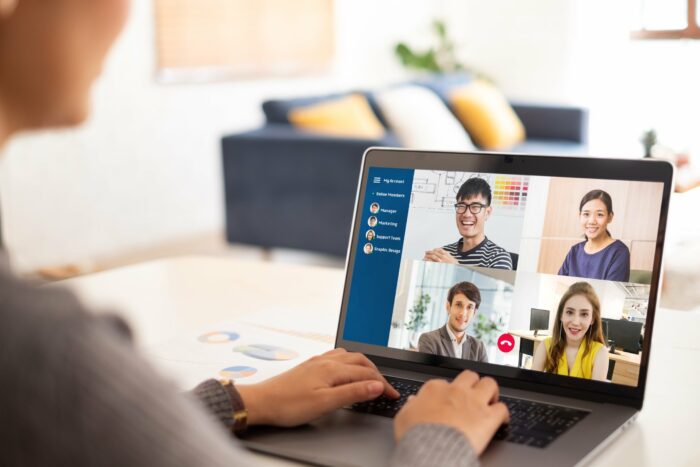
The rollout of flexible working arrangements varied by company size, with a greater number of larger firms offering such arrangements than smaller firms.
Firms in Japan consider cashless payment of salaries

By the next fiscal year, companies may be allowed to digitally pay their employees’ wages to their cashless accounts.
Employment continues to rebound in Singapore
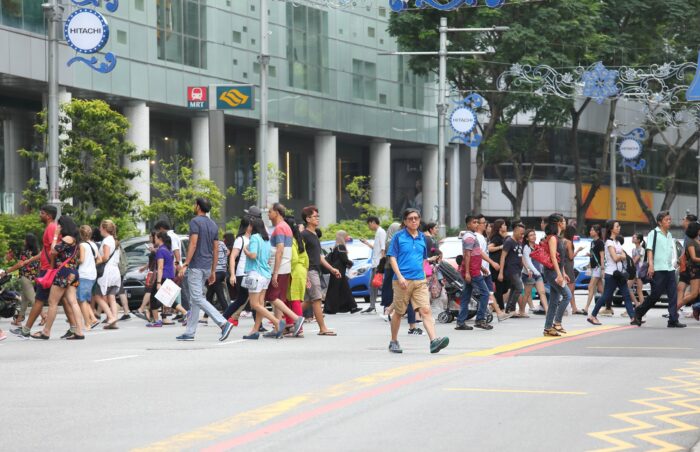
While employment is strong, companies are advised to hedge against market uncertainty by reskilling employees and offering flexible work.
Employers in Malaysia urged to support employee training

Employers should shoulder the responsibility of ensuring that their workers are given ample training to improve their skills, says trade union.
Upskilling the digital skills of workers in the Philippines

A new government agency has been set up to conduct tech and skills mapping to identify skills gaps of the country’s workers.
Is Singapore ready for a 4-day workweek?

Employers and employees should adopt a “flexible mindset” on a four-day workweek, said Gan Siow Huang, Minister of State in the Manpower Ministry.
New benchmarking tool aims to uplift Australia’s workplace standards

The benchmarking tool is designed to help organisations focus on employee wellbeing and improve organisational leadership.
70:30 hybrid work model proposed in the Philippines

A 70:30 hybrid work ratio (70% onsite and 30% work-from-home) has been recommended to the government to sustain economic recovery.
South Korea considers banning work texts outside working hours

A proposed bill prohibits employers from making repeated or constant work-related instructions after statutory working hours.
Workday supports Air Liquide’s HR transformation in Asia Pacific

Air Liquide is also creating better employee experiences and making itself an employer of choice with Workday HCM.
Singapore amends job ad rule to streamline recruitment process

The government has reduced the job advertising duration under the Fair Consideration Framework (FCF) from four to two weeks.
Four-day workweek trial reviewed in the UK

While offering benefits such as better performance and higher team morale, the jury is still out on the feasibility of a four-day workweek.
The Philippines faces loss of IT talent if WFH scrapped

Employees of IT and business process management (IT-BPM) firms may resign if the government pushes for a return to 100% on-site work.
Malaysia wants more workers to undergo health checkups

The Ministry of Health (MOH) wants it to be compulsory for employers to provide a day’s leave to all employees to undergo health screenings.
Building a future-ready workforce in a digital era

Natalia Navin, CHRO for Maxis, discusses the strategies the telco has implemented to empower employees to attain greater success in their work.
HRM Asia Readers’ Choice Awards 2022: Last days to vote!
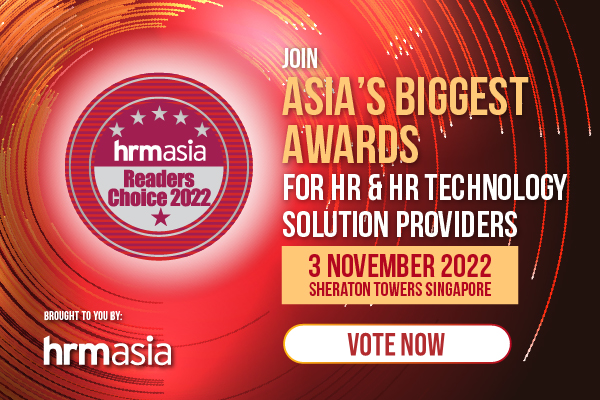
Make your vote count as HRM Asia Readers’ Choice Awards 2022 recognises the best HR solutions and service providers in the market today.
Companies in India urged to prioritise employee health and wellbeing

Although 80% of the workforce has reported mental health issues over the past year, only around 30% of the affected have taken steps to manage symptoms.
Workplace gender disparity widens in Hong Kong

Despite holding attributes to be successful, women have been paid less than their male counterparts over the last five years.
Thailand considers abolishment of daily employment
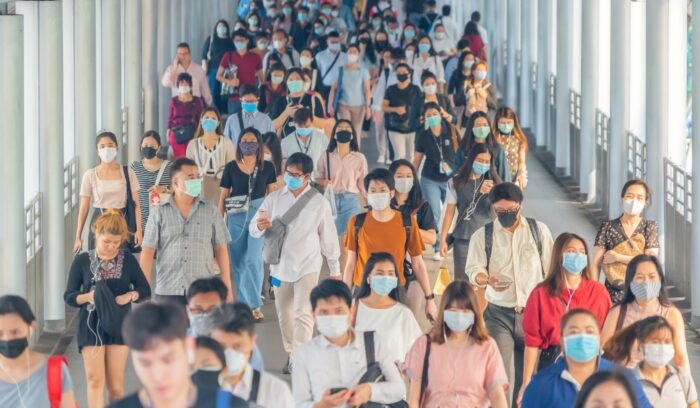
An amendment to the Labour Protection Act has been proposed to abolish temporary and daily employment and upgrading the status of workers.
Mental wellbeing a concern for young employees in Singapore

Youths in Singapore are also concerned about their employability and having the right skills to succeed in the workplace.
Redefining the role of HR leadership in reshaping work
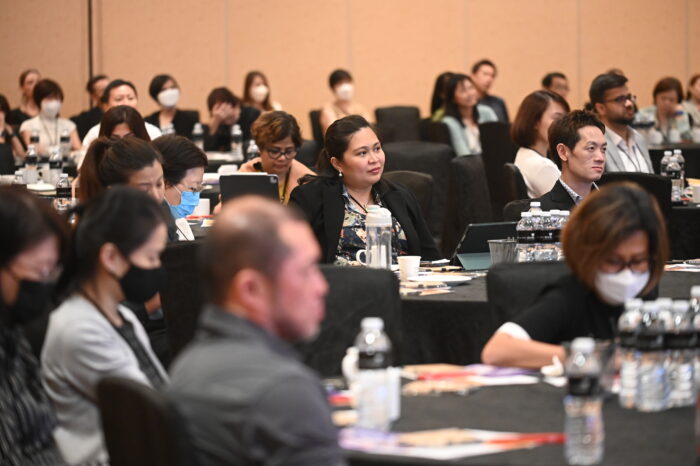
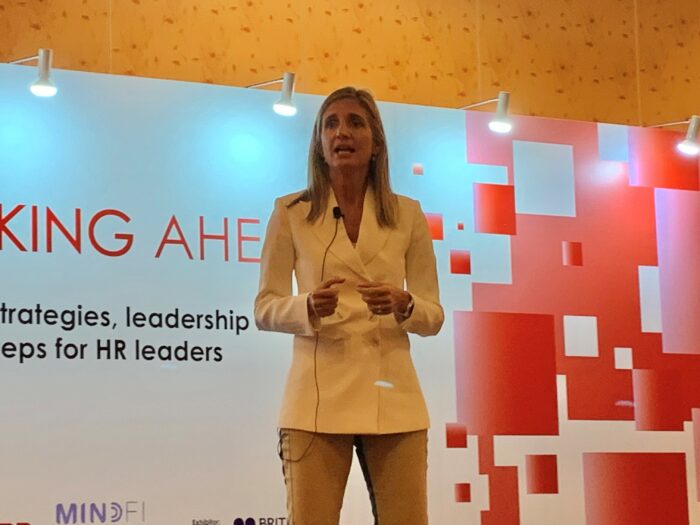
More than 170 HR and business leaders discussed topics like modern HR mindsets, flexible work and employee wellbeing at HR Leadership Series: Live.
Companies in India use promotions to retain staff

At a time of talent shortage, several companies are giving off-cycle promotions to eligible employees as they attempt to hold on to experienced staff.
Malaysia offers gig workers more protection
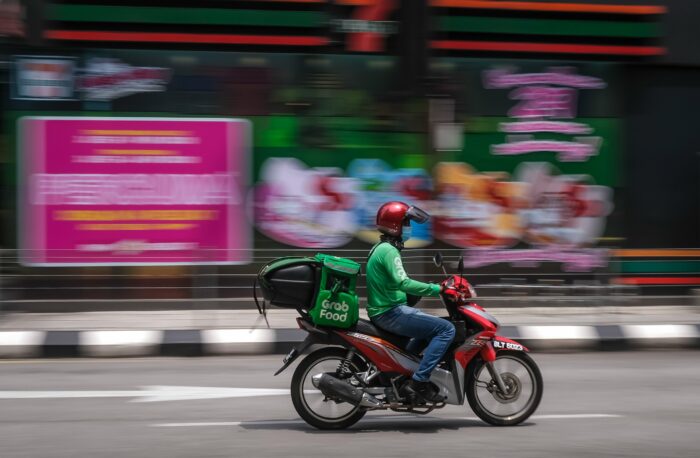
The Sharing Economy Committee (SEC) will train and verify gig workers, as well as create job placements in high-value jobs.
Taiwan officially approves minimum wage raise
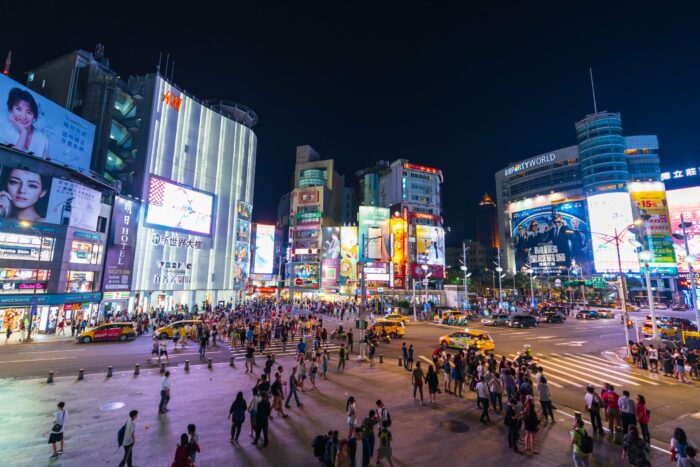
Taking effect from January 1 next year, the monthly minimum wage will be raised to NT$26,400 (US$855) and the basic hourly rate to NT$176 (US$5.7).
Japan’s job mobility falls below OECD average

Due to low unemployment and a stable job market, 2.9 million employees switched jobs in 2021, 630,000 fewer than in 2019.
Asian leadership can lead organisations to greater heights
A new report by the Centre for Creative Leadership (CCL) reveals a persistent gap in Asian leadership representation on the global stage.