

Employees in India can expect wages to rise in 2023
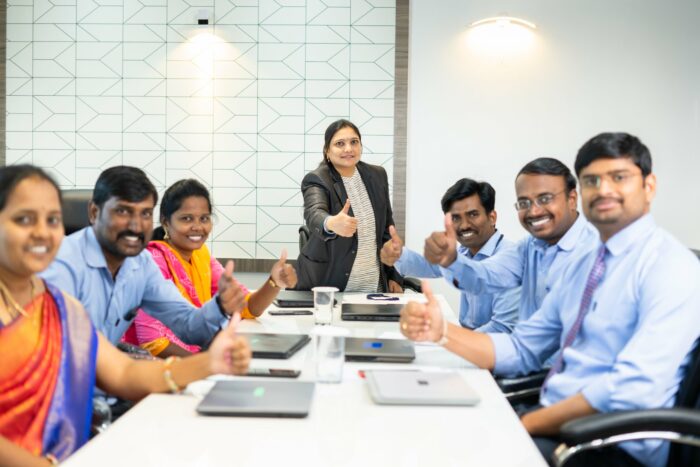
After an annual rise of 10.6% in 2022, which is the highest in the world, salaries in India are expected to increase by 10.4% in 2023.
Young people dropping off South Korea’s permanent workforce
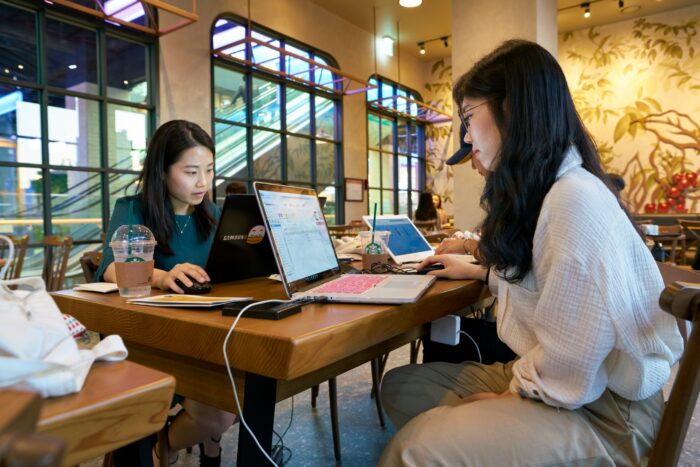
More South Korean workers in their 20s are staying idle amid poorer employment conditions or are engaged in temporary employment.
Gig economy framework proposed in Malaysia
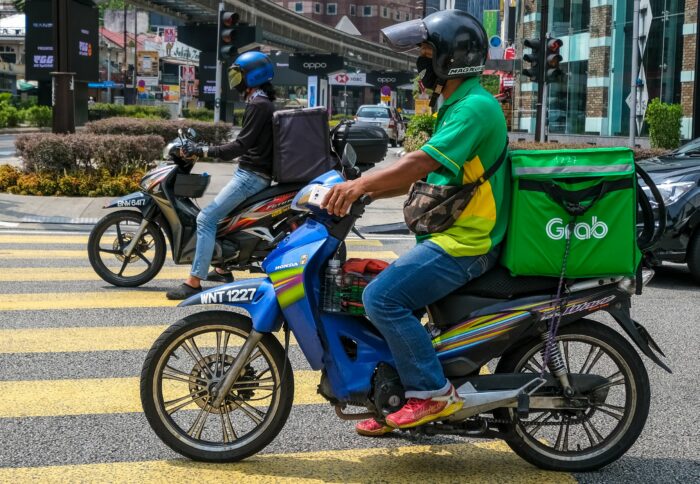
The government has been urged to develop a gig economy framework or high-value partnerships to ensure that gig workers receive appropriate guidance.
Remote work does not impede career progression

Instead of mandating a return to office, Dell is letting employees choose where they want to work and giving fair opportunities to all.
Productivity can be key tool to boost wages in Australia

Instead of multi-employer bargaining, the Australian government has been urged to increase productivity to raise wages.
Fujitsu Japan enhances work experience with pet office

The office space, opened on trial till the end of the year, has workstations for three employees and space for up to six dogs at any one time.
Businesses plan to invest more in coaching

Businesses use coaching to deliver change, thus creating opportunities for coaching to be democratised.
How to create HR sustainability at workplaces

As organisations face challenges in retaining talent, the Good Work Framework by the World Economic Forum provides strategies to overcome these issues.
Creating more engaged and productive employees

ServiceNow’s Now Platform Tokyo solution now comes with more features to help organisations navigate complex business challenges.
Managers uncertain over productivity of remote employees

With hybrid and remote work continuing, managers are developing “productivity paranoia”, leading to efforts of spying on their staff.
Number of informal workers expected to decline in India

Citing the many challenges of managing informal workers, many companies in India are looking to formalise their workforce.
Malaysia prepares private sectors workers for retirement

A social safety net for private sector workers after 60 has been proposed by Malaysia’s Human Resources Minister Datuk Seri M Saravanan.
The Philippines proposes to consider commute time as working time

The work performed while commuting or in an alternative work environment constitutes regular work, says the Philippines Labour Department.
More firms in Japan rethink employee transfer policies

The prevalence of remote work is making companies in Japan revamp or revise their employee transfer systems.
Hybrid meetings leave employees in Singapore feeling disconnected

59% of employees said hybrid meetings would be more effective if all participants could contribute and speak equally.
WFH to create more new jobs in the Philippines

By 2028, work-from-home (WFH) and hybrid work arrangements will create 1.1 million new jobs and generate billions more in revenue in the Philippines.
Four-day workweek set to be permanent in the UK

Most UK firms participating in a pilot expect to keep four-day schedules after the trial ends in November this year.
Future of work relies on talent networks and continuous learning

To support lifelong learning, employers, workers, institutions, and students in Singapore are encouraged to adopt new mindsets and roles.
Thailand creates employment opportunities for older workers

To tackle an ageing society, more job offers and placements are available to workers over 60 who want to continue to work.
Multiplier streamlines onboarding process for remote hires
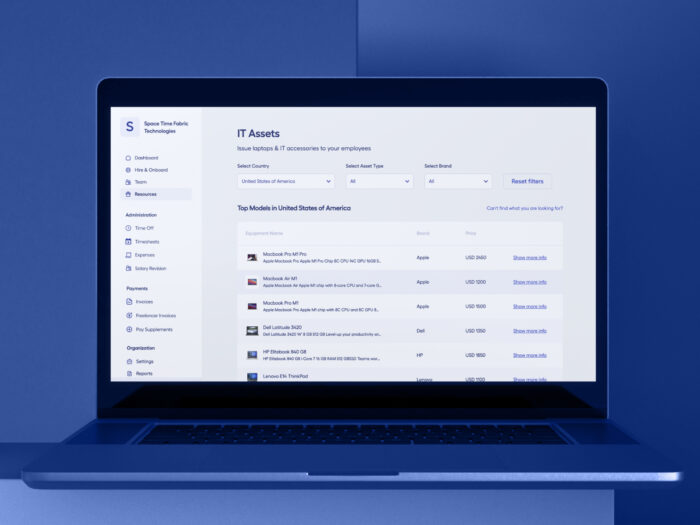
The Multiplier platform feature simplifies the logistics of IT equipment and helps employers overcome the challenges of hiring internationally.
The Philippines approves freelance workers protection bill

House Bill 615, also known as the Freelance Workers Protection Act, was unanimously adopted by the House labour and employment committee.
Mitigating “distance bias” as employees return to work

A stay interview is one example of how managers can know their team members better and lay the groundwork for better retention.
Australia moves to improve female workforce participation

Australian Prime Minister Anthony Albanese has been urged to focus on paid parental leave and pension entitlements.
More Japanese continue to work after the age of 65

Japan has the largest proportion of residents aged 65 and up in its population, with 25.1% continuing to work.
Transformation of HR leadership in 2023 and beyond

HR leaders need to develop skills to lead business transformation and address the shift in workforce and skills scarcity.
Navigating a new world of work in Indonesia

Organised by HRM Asia, CHRO Series Indonesia will explore the latest hybrid work models that can empower leaders to build successful HR teams.
Australia considers implementation of four-day workweek

A labour union is calling on the government to axe the standard five-day workweek to boost productivity and employee wellbeing.
Two-thirds of workers in New Zealand want more work-life flexibility

Workplace practices and working preferences have shifted, and employees are now looking for jobs that better fit their lives.
New guidelines established in the Philippines to address WFH concerns

The Department of Labour and Employment has signed an order that more clearly defines WFH workplaces and the work performed by employees.
Pay transparency can help narrow gender inequalities in the workplace

On average, women are paid about 20% less than men worldwide, primarily due to gender-based discrimination.