

Singapore enhances workforce inclusion and training support

Increasing paternity leave and establishing a new entity to support employee training are among the measures announced in Singapore’s Budget 2023.
Employees in the Philippines want more say in wage hike review

The labour group that has filed a petition for another wage increase wants to play a more active role in discussions with the government.
Family-work balance: Supporting the sandwich generation in the workplace

An employers’ organisation has called on employers to create a supportive environment for employees caring for both children and elderly parents.
Hay fever benefits improve employee wellbeing in Japan

Encouraging employees to tackle allergies and hay fever leads to increased workplace satisfaction and efficiency, more companies are finding out.
Breaking the glass ceiling: Closing the gender pay gap with pay transparency

New research suggests organisations anticipating public scrutiny are more likely to implement changes to reduce gender pay gap.
More employees in Singapore working beyond retirement age

31% of Singapore residents aged 65 and above are employed, with the majority earning less than S$2,500 (US$1,885) monthly.
Why executive pay cuts could be the ‘bold move’ your organisation needs

The reduction of top executives’ salaries provides HR with the opportunity to strengthen employee morale and retention during a period of layoffs.
Employees in Japan saw earnings soar in December 2022

Boosted by winter bonuses, wages in Japan rose to their highest level in nearly 26 years, Japan’s Labour Ministry has reported.
Platform workers in Singapore to be protected against injury

A new advisory committee has been form to develop policies for work injury compensation and address key operational issues faced by platform workers.
Rimini Street brings the weekend closer with new work model

Employees of Rimini Street will continue to work four days a week throughout 2023, as they have been doing since July 2022.
Increase in off-hours work among employees in Taiwan

A survey by the Ministry of Labour found that more employees are having to spend more of their leisure time to address work-related issues.
Employees in Japan allowed to pursue side careers

More firms in Japan are allowing their employees to take on second jobs to foster skills development and gain opportunities for career advancement.
Australia offers paid leave scheme to combat family and domestic violence

Employees affected by domestic violence and family violence will be able to take time off without losing their jobs.
Samsung offers employees low-carbon meals

The diet policy aims to minimise greenhouse gas emissions while using eco-friendly materials in the organisation’s cafeterias.
Take a break, employees in the UAE told

When working for five consecutive hours, employees employed in the private sector can take a break of at least one hour.
Employees in South Korea must pay more to support pension scheme

As South Korea’s population ages and more employees leave the workforce, pension reserves are predicted to deplete by 2055.
SMEs in Japan plan to offer higher wages

More organisations in Japan intend to raise wages to keep pace with inflation, including those that had previously done so.
Boosting pay a priority for employers in Vietnam

88% of the organisations in Vietnam intend to raise salaries this year despite the forecast of a global economic downturn.
Unilever allows employees to swap public holidays

With the interchangeable holiday policy, employees at Unilever are free to exchange a public holiday for another day that is more significant to them.
Firms in Japan expected to offer largest wage increment in 26 years

Firms are likely to offer pay hikes of 2.85%, consisting of a 1.08% increase in base salaries and a 1.78% increase in seniority-based pay.
Do you know what your employees want in their careers?

To help employees find a fulfilling career, organisations can start by understanding what different employees are prioritising at work.
More employees in Singapore expected to seek better pay in 2023
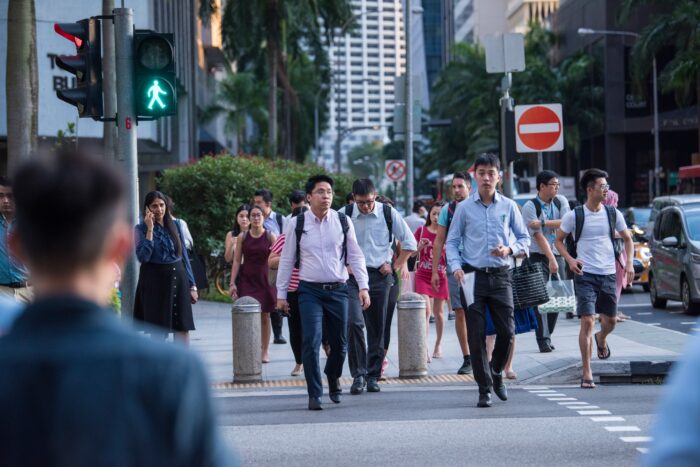
More employees are expected to request pay raises from their employers, while others will look for higher-paying positions.
Japan plans new family initiatives to support non-regular workers

Non-regular workers, self-employed individuals, and freelancers with children may soon be eligible for a child-rearing allowance.
Manpower and higher costs remain core challenges for firms in Singapore

The business outlook for 2023 is more cautious, considering the challenges in manpower, wages and inflation that are anticipated to continue.
Singapore explores more support for gig workers and older workers
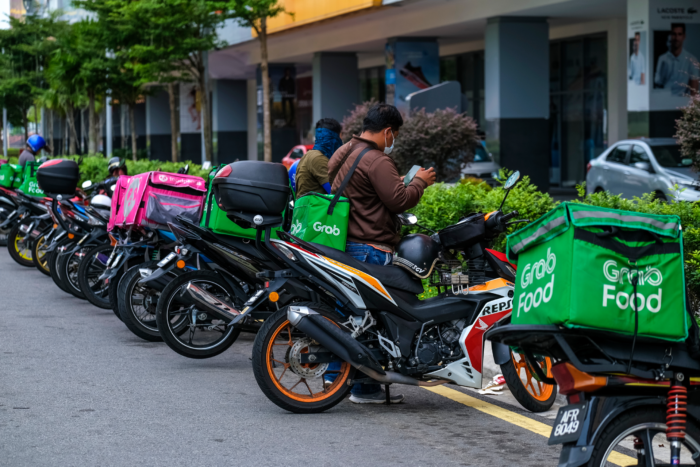
The National Trades Union Congress (NTUC) wants more opportunities and protection to be created for a growing gig workforce and older workers.
Wage hike tops South Koreans’ new year wish list

Apart from higher wages to cope with rising inflation, employees in South Korea also want reduced work hours and a better work-life balance.
Pfizer introduces 12-week paternity leave policy

Fathers are entitled to take leave in four tranches under the new policy that came into effect on 1 January 2023.
Employees in Singapore can expect to be paid higher salaries in 2023
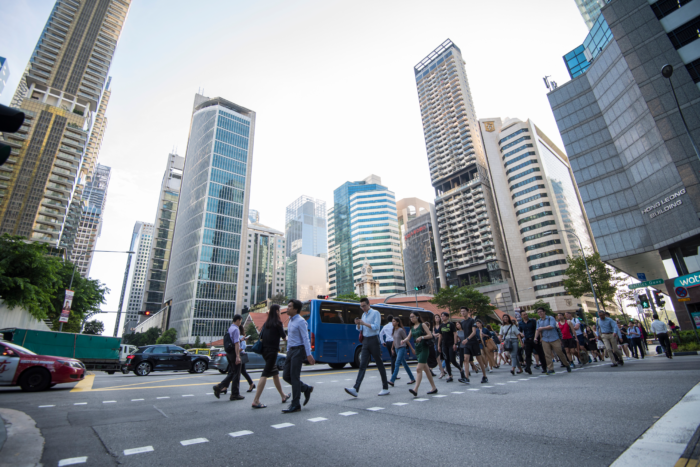
Despite a decline in net employment, organisations in Singapore are ready to offer increments and bonuses to attract and retain talent.
Japan commits to raising wages to achieve inflation target

Japanese Prime Minister Fumio Kishida aims to create an economic structure where wages are raised yearly to transfer wealth from firms to households.
Josh Bersin: Let’s talk about layoffs and how to handle them

Josh Bersin discusses how organisations can manage layoffs more effectively, even in uncertain economic times.