

Hong Kong rolls out vaccination leave for civil servants

This will apply to all government employees, which includes civil servants, non-civil service contract staff and post-retirement service contract staff.
Malaysia unveils RM$40 billion stimulus package
RM$2.1 billion (US$0.51 billion) will be distributed to lower-income workers who earn less than RM5,000 (US$1,212) each month.
Taiwan plans NT$25 billion subsidy for families

On Monday, it approved an additional NT$420 billion in stimulus spending to support the economy as business activities are curbed.
Cambodia government officials call for paid leave days for vaccination

A statement has been issued to all factories and enterprises mandating that workers be given a paid day off in order to get vaccinated.
Taiwan plans to double stimulus funding for COVID-19 support

Selected workers and the self-employed in Taiwan can expect to receive subsidies ranging from US$361 to US$1,083.
China shores up support for MSEs and self-employed

Premier Li Keqiang pledged to extend more support to micro and small enterprises (MSEs) and the self-employed on six fronts.
Thailand plans more COVID-19 stimulus packages to save jobs

The measures include assistance to the tourism industry, which has been hit badly by the outbreak, and support to retain jobs at smaller companies.
Japan aims to bolster economy through wage hikes

To encourage the flow of people from urban to regional areas, the government will raise the national average of minimum wages to ¥1,000 per hour.
India preps COVID-19 stimulus package

The country is reporting almost 200,000 COVID-19 cases daily, causing many local governments to impose curbs to control the spread of the virus.
Taiwan legislators propose pandemic leave subsidies for parents

The proposal would allow workers who have to take unpaid leave to take care of their children to apply for the subsidies.
Hong Kong freezes minimum wage amid pandemic woes

The minimum wage in Hong Kong has been frozen for the first time since the Minimum Wage Ordinance came into effect in 2011.
Malaysia announces RM$200m to fight COVID-19
This brings the total amount of a COVID-19 response fund to RM$65 billion, most of which has been allocated to save jobs and subsidise daily expenses.
New Zealand increases sick leave from five to 10 days

The New Zealand parliament has passed a bill that will double the number of paid sick leave for employees from five to 10 days.
Private-sector average wages in China rose 5.3% in 2020

The average wages of private-sector urban workers increased by 4,123 yuan (US$640) to 57,727 yuan (US$8,967) annually in 2020, up 5.3% year-on-year.
WFH-related disabilities or deaths in the Philippines now compensable

Employees in the Philippines who are disabled or pass away due to injury-related incidents when working from home will now be compensated.
Bank of Japan to extend pandemic relief if needed
Japan’s economy shrank an annualised 5.1% in Q1 as a slow vaccination rollout and a spike in COVID-19 cases hit spending on dining out and retail.
Help for working parents as Singapore schools move to home-based learning

As all schools start full home-based learning (HBL) from today, parents who cannot work from home have to find alternative arrangements.
Japan seeks minimum wage hike as soon as possible

The proposals for higher wages could be reflected in the government’s mid-year policy guidelines, and will provide the basis for its fiscal year budget in 2022.
Singapore raises wage support for F&B sector to 50%
The government will co-pay wages of local employees up to the first S$4,600 of gross monthly wages during the period in which dining-in is prohibited.
Paid vaccination leave gains traction among South Korea’s larger firms

CJ Group was the latest to announce a paid vaccination leave for its employees, who can take two days off to receive their COVID-19 vaccinations.
Malaysian MP urges government to grant loan moratorium to save jobs

Klang MP Charles Santiago has called on the government to grant a six-month moratorium on loans to save small businesses and jobs.
People at Work: A Workforce View 2021

Research from the ADP Research Institute provides insights into how the workforce in Singapore and across Asia Pacific has changed over the past year.
New Zealand considers prosecution against misuse of wage subsidies

An inquiry made into how the scheme was managed revealed that applications were approved based on verbal confirmation, without documents.
Changes in Australia’s federal budget to benefit part-timers and women

Treasurer Josh Frydenberg has scrapped the A$450 (US$354) a month threshold to pay mandatory super in the 2021 federal budget.
Displaced workers in the Philippines will continue receiving support

DOLE has also ramped up the implementation of its programme to provide jobs for seasonal workers, those who are displaced, or underemployed.
Tokyo government promotes WFH with subsidies to companies

Financial incentives are offered to businesses that implement work from home (WFH) schemes to lower the number of people who commute to work.
Australia set to extend programme to train and reskill workforce

JobTrainer was designed for 17 to 24-year-olds and the unemployed, and was initially slated to expire in September.
Socso to protect self-employed in Malaysia by year-end

The Social Security Organisation (Socso) has announced plans to protect 200,000 active self-employed individuals by the end of this year.
Malaysia approved wage subsidies worth US$3.12 billion

The government’s Wage Subsidy Programme 1.0 (PSU 1.0) has approved wage subsidies of RM12.86 (US$3.12 billion) as of April 23.
Thailand plans US$7.2 billion stimulus to help low-income group
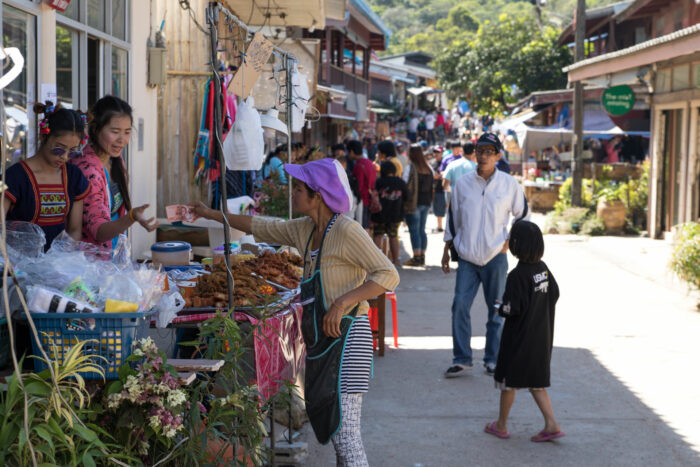
The Cabinet gave in-principle approval for the fiscal stimulus measures, aimed to help the poor cope with the economic impact from the pandemic.