
Retaining talent begins with understanding what employees want

If managed well, organisations can transform the ‘Great Resignation’ to the ‘Great Attraction’, attracting and retaining the best talent.
Returning to the workplace with confidence

Microsoft’s Return to Workplace solution is helping to create a safe and productive work environment in a resilient and digitally inclusive Singapore.
India likely to implement 4-day work week

If the country’s new labour codes are implemented, there is a likelihood that workers in India may be able to enjoy a four-day work week in FY2022-2023.
Women and youth found to bear brunt of job losses amid pandemic

These workers were more likely to lose their jobs because they dominated sectors that were hard-hit, like hotels and restaurants, wholesale, and retail.
Japan enacts additional budget to fund economic recovery package

To cover most of the supplementary budget, the government will have to issue new bonds worth 22.1 trillion yen by March 2021.
Jakarta increases provincial minimum wage for 2022
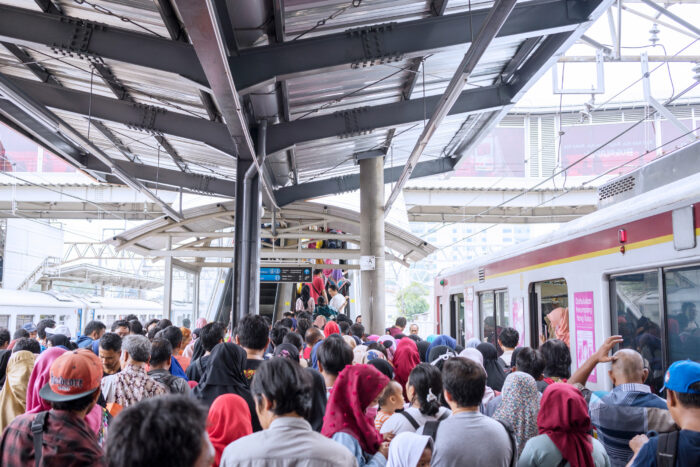
The provincial minimum wage of Jakarta has been raised by 5.1% to IDR4.6 million for 2022, according to Jakarta Governor Anies Baswedan.
Thailand launches 2nd phase of job retention programme for SMEs

Small and medium enterprises (SMEs) can now register for the second phase of the recently announced Job Retention SME programme.
Workers find WFH beneficial to wellbeing and performance

The ideal amount of telework is two to three days in a week, an allocation optimal to balance the benefits and costs of remote working.
Driving better business outcomes and employee engagement with DEI

Sophie Guerin, Head of Diversity, Equity, & Inclusion, APAC, Johnson & Johnson, highlights how organisations can embrace and integrate DEI.
Hiring incentives help retain local workers in Malaysia
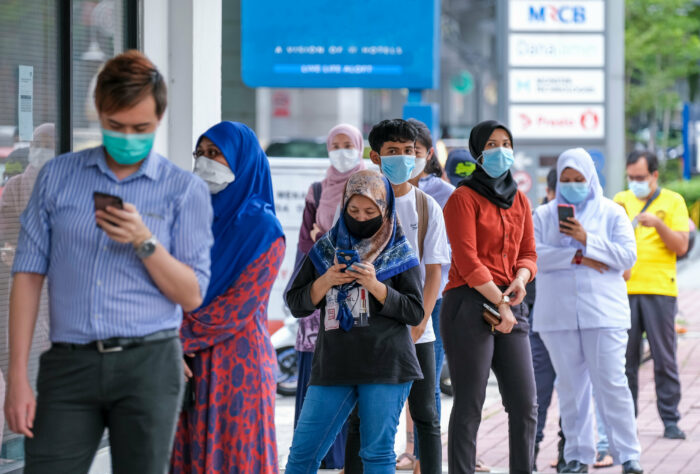
As of December 3, some 15,097 employers and 116,316 employees have received PenjanaKerjaya 1.0 benefits worth RM639.3 million.
Indonesia aims to distribute wage subsidies by year end

The Ministry of Manpower is aiming to finish distributing the Wage Subsidy Assistance (BSU) to 1.7 million beneficiaries by the end of 2021.
The whole new world of work: Emerging trends in 2022

Jeanne Achille, Founder and CEO of The Devon Group, describes emerging trends that HR needs to consider for 2022.
Cambodia plans third co-financing scheme for SMEs

The government will, through the state-run SME Bank, offer US$250 million worth of loans to SMEs in the country.
HR In 2022: Mission First, People Always

Jason Averbook, CEO and Co-Founder of Leapgen, explains why creating a people-centric workforce experience will be a key HR objective in 2022.
Younger workers in South Korea face greater employment woes

Workers who had graduated from college or high school less than a year ago were found to face more difficulty finding jobs.
Malaysia mulls enacting new regulations for gig sector
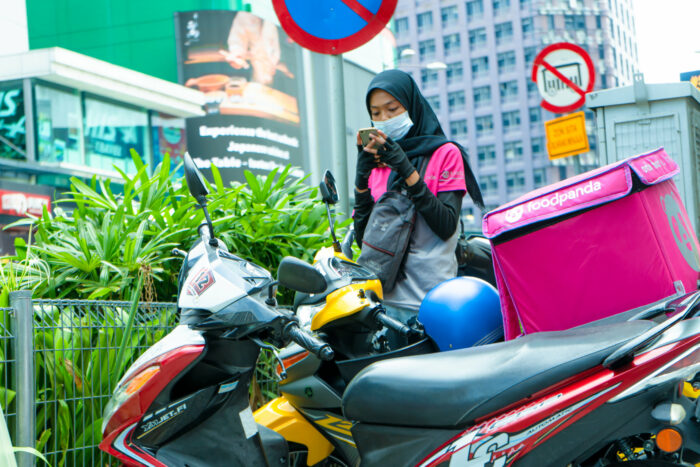
New legislation is being considered to protect and safeguard the welfare and safety of workers in the gig sector.
WFH no longer default arrangement in Singapore

From January 1 next year, up to 50% of employees who can work from home will be allowed to return to the office.
Major Japan business lobby says it will not set wage hike goal for businesses

However, the group will still encourage companies that have recovered their earnings to raise wages in line with government recommendations.
Indonesia to implement job-loss insurance in 2022
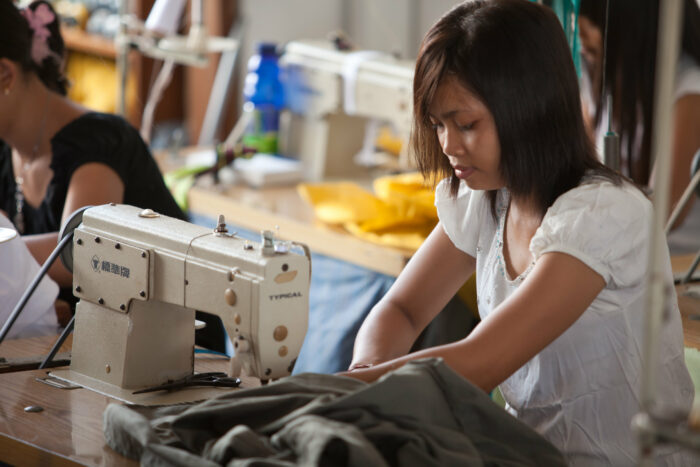
The government is committed to implementing the Job Loss Insurance (JKP) programme, commencing 2022, said the Manpower Ministry.
Singapore prepares for employees’ return to office

About 97% of the labour force have been fully vaccinated against COVID-19 with about 75,000 workers still unvaccinated as of December 5.
Prenatal leave sought for working fathers-to-be in Taiwan

Democratic Progressive Party legislator Fan Yun has called on the government to grant expectant fathers a week of prenatal leave.
Most workers support COVID-19 vaccine and mask mandates

Workers who were most supportive of workplace vaccinations those who most likely to say that they would receive vaccinations to keep their jobs.
Talent attraction begins with employer branding

Top Employers Institute’s Ammara Naeem explains why a well-executed employer branding strategy is key to attract and retain talent.
3 priorities to consider when managing EX in a new world of work

As hybrid work becomes increasingly prevalent, Qualtrics highlights how organisations can better manage EX programmes.
Malaysian union wants minimum wage to reflect cost of living
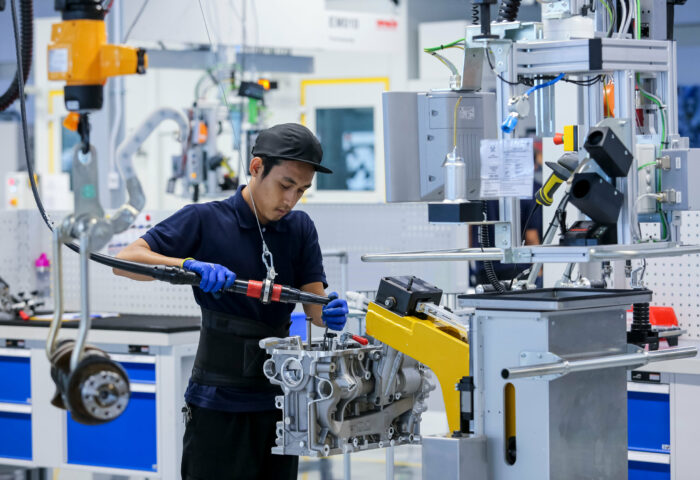
The Malaysian Trades Union Congress (MTUC) has called on the government to hike the minimum wage next year amid a rise in the cost of living.
Nine businesses in Singapore double paid paternity leave from 2022

Fathers who work in these firms will be able to enjoy four weeks of paternity leave, an increase from two weeks under current regulations.
Majority of Japanese companies to freeze or cut wages next year

About 54% of companies plan to keep salaries, including bonuses, unchanged next fiscal year, 4% plan to cut them and 42% expect to raise wages.
One in three Australian employers have fired unvaccinated workers

The survey of 760 human resource professionals also showed that 85% of workers in workplaces with vaccine mandates supported them.
HR in 2022: Shifting the power back to employees

Creating a people-centric workforce experience that reinforces organisational purpose and culture will be a key HR objective in 2022.
Concern over 7 million underemployed workers in the Philippines

This is defined by the Department of Labour and Employment as workers in part-time roles looking for longer working hours or higher-paying jobs.