

Japan promotes 4-day work-week option

The government is supporting the proposal to let employees choose a four-day work week in its annual economic policy guideline.
Malaysian employers group calls for coordinated COVID-19 enforcement

Enforcement authorities create more confusion, instead of allowing employers to focus on carrying out their duties, said the MEF president.
Singapore maintains WFH as default arrangement, extends jobs support

Workers cannot be cross-deployed to multiple worksites, and employers need to implement flexible working hours and staggered start times.
Australia increases minimum wage by 2.5% to benefit 2.2 million workers

The Fair Wage Commission (FWC) has raised the minimum wage and related award minimum wages by 2.5%.
Philippines incentivises vaccinated workers with freebies

Some 1,000 essential workers from Metro Manila and another thousand from other regions are expected to benefit from the programme.
South Korea rejects further extension to delay 52-hour work week
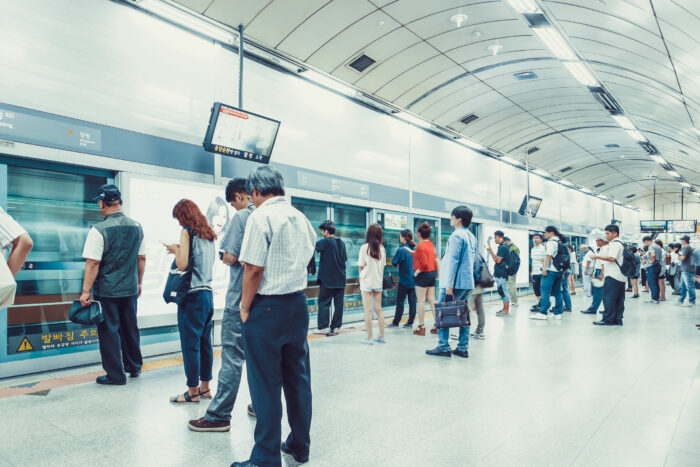
Companies employing between five and 49 workers will have to comply with the 52-hour work week by next month.
Taiwan firms want tax breaks, COVID-19 vaccines and wage subsidies

72.59% of manufacturers want a business tax break, while 71.25% would like to receive wage subsidies to help them meet their payroll costs, a survey finds.
Many Australian companies unwilling to increase wages

In place of higher wages, companies are instead offering one-off bonuses and flexible working arrangements, says the Reserve Bank of Australia.
South Korea’s government urged to delay implementing longer work week

Small businesses in the country have asked for more time to prepare for the 52-hour work week, which is set to be implemented next month.
Malaysia’s SME Association urges decisive measures to tackle pandemic

It proposed a one-month state of emergency where all economic activities are halted, while essential services continue to operate at 50% capacity.
Bank of Thailand extends debt restructuring measures for SMEs

The debt moratorium has been extended from June 30 to December, and will be applicable to SMEs hit by the economic uncertainty due to the pandemic.
Some unvaccinated employees face discrimination in Hong Kong

Employees who face discrimination if they refused to be vaccinated may be able to mount a legal challenge, depending if it is “reasonable or necessary.”
Malaysian companies must shoulder additional costs for vaccination

Companies participating in the programme that sees their employees vaccinated need to pay for the additional costs involved.
Japan pushes for higher wages across regions

Across the country, Japan aims to achieve a national average of ¥1,000 per hour and narrow the pay gap between regions.
Creating a people-powered workplace with Microsoft Viva

With people at the heart of any organisation, Microsoft Viva helps to create an integrated experience that allows employees to thrive.
South Korea mulls vaccination at companies producing chips

Workers at chip and electronic companies may be vaccinated to reduce disruptions to the production of computer chips which are in short supply globally.
Taiwan shortens rest times between shifts for workers
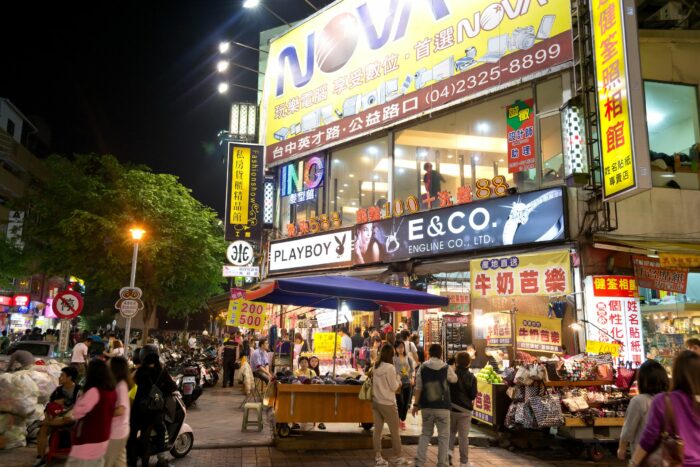
The Ministry of Labour (MOL) has temporarily lowered the number of rest hours workers must get between shifts from 11 to eight for four industries.
Companies in Singapore to adopt WFH as default arrangement

Businesses are advised to stagger the start times of employees and implement flexible working hours, and refrain from cross-deploying workers.
Vietnam proposes US$1.2 billion COVID-19 relief package

The VND27,600 billion (US$1.2 billion) relief package will support workers and businesses badly hit by the pandemic.
Japan approves flexible paternity leave

Fathers will be able to take a total of four weeks off within eight weeks of their child’s birth, and can choose to split the period into two breaks.
Companies in Vietnam offer to pay for vaccination of staff

Most employers are willing to pay to vaccinate their employees to curb the spread of the virus in their companies.
Japan’s real wages in April show largest monthly gain since 2010

The increase was partly due to a 0.5% drop in the consumer price index, and a y-o-y rebound in part-timers’ compensation.
More workers to be vaccinated in the Philippines

About 35.5 million people will be eligible for vaccination in the government’s efforts to curb the spread of COVID-19 and open up the economy.
South Korea to grant workers with extra days off

The government will soon pass a bill that will provide workers with extra days off should a public holiday fall on a weekend.
Malaysian employers cannot force non-essential service workers to office

Staff are encouraged to report incidents where their workplace exceeds the 60% capacity, or they are asked to work despite the need for quarantine.
India forms expert committee to set national minimum wage

The committee will provide technical inputs and recommendations to set minimum wages and a national floor for minimum wages.
Thailand rolls out wage subsidies to deter mass layoffs

Qualified SMEs for the new co-payment scheme include those that could not acquire a soft loan from Thailand’s central bank package.
Taiwan grants pandemic subsidies to 600,000 self-employed

The Cabinet is revising an economic stimulus bill to provide financial relief to two groups of self-employed people affected by the pandemic.
Chinese city turns to blockchain for worker payments

An app records and encrypts data like work attendances based on facial recognition, and feedback from recruiters.
Malaysian banks offer loan moratorium and assistance to SMEs
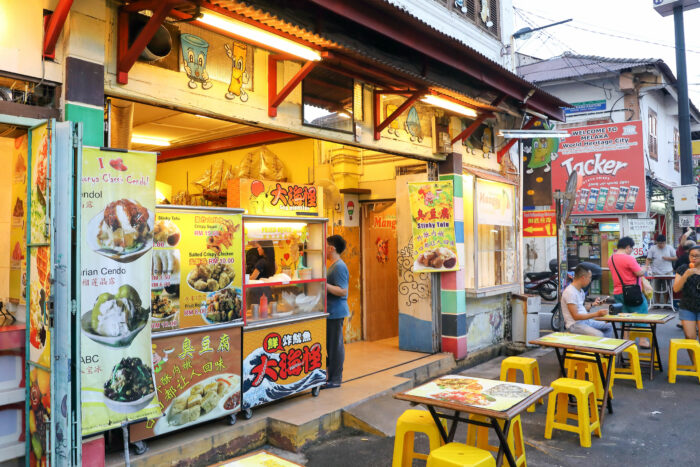
SMEs adversely hit by the full lockdown can now enroll in the Targeted Repayment Assistance (TRA) programme offered by banks.