

Firms in Japan reduce remote work despite employee demand

Remote work remains popular amongst employees in Japan, but organisations are demanding employees return to work onsite.
Bridging the generational gap to create an inclusive workplace

Exploring the multigenerational workforce, led by Millennials and Gen Z in terms of size, and what they prioritise when it comes to their careers.
Singapore launches initiative to bolster retrenched employees’ skills

Skill enhancement support unveiled by Singapore’s government aids retrenched employees, fostering long-term career preparedness.
Why employee engagement is all about people

Andrew Newmark, CHRO of Marriott International in the APEC region, redefines employee engagement in evolving workforce dynamics.
The voice of HR in APAC: How a HR leader is pushing the people agenda

HR is embarking on a new journey to promote fairer and more progressive people policies in APAC, says Low Peck Kem, the new President of APFHRM.
The unifying power of purpose across generations

Rachele Focardi, Founder of XYZ@Work, explores the post-pandemic impact of purpose on uniting generations and driving positive change.
Reinoud Ottervanger takes on new role in Heineken Singapore
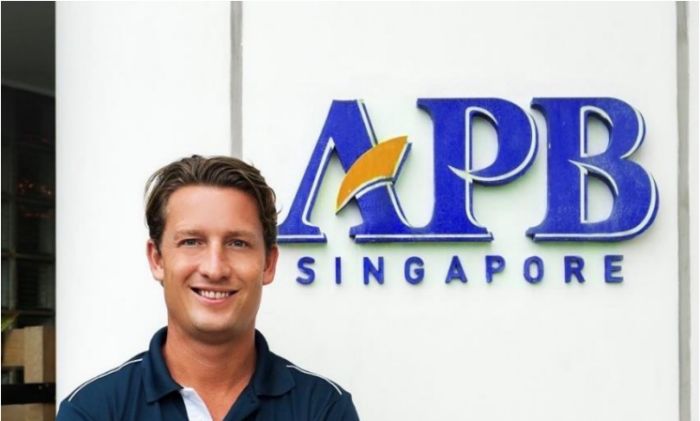
Ottervanger will be responsible for the overall management of Asia Pacific Breweries Singapore’s strategic and operational functions.
From Novice to Virtuoso: Unleashing the Potential of Supply Chain Talent

Lisa Arnseth, Senior Content Marketing Manager at Kinaxis, discusses supply chain talent and how their potential can be enhanced for any organisation.
AI’s dual impact on Singapore’s HR landscape
While many HR leaders are already leveraging on AI, many reserve concerns over the ethical use of AI in their industry.
AIs and the metaverse: Navigating the future of workplace learning

AI-based metaverse training can advance leadership and skills development, says HR Tech Fest Connect 2023 speaker Arthur Carmazzi.
From gap to growth: Key strategies for deskless workforce

Capability Group’s Sudan Jeganathan shares Axonify Deskless Report 2023, highlighting the challenges deskless employees face.
Gen Z rising in Asia: A dynamic force for organisational change
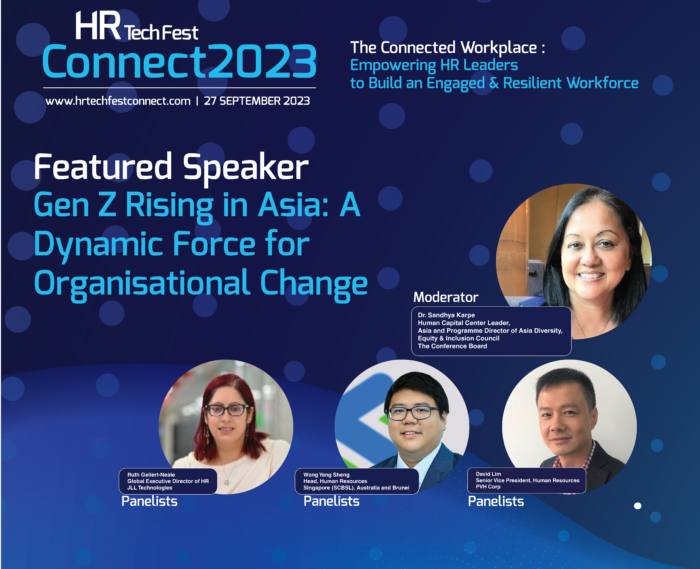
A panel discussion at HR Tech Connect 2023 will provide defining insights for organisations to better understand Gen Z employees in the workplace.
Business groups in the Philippines warn of job losses amid wage hike

Approximately 10% of retail jobs could be at risk if the wage hike is mandated into law, says Bobby Claudio, President of the PRA.
How performance management can propel organisations forward

Culture Amp’s Devshree Bhatt emphasises transparent performance management’s positive effects on change and employee engagement.
The next STEP in career journey for Singapore’s mid-career professionals

A new mentorship and training programme from Citi Singapore aims to develop diverse and talented candidates who may not have experience in banking.
Reshaping HR’s talent approach with conversational AI

Paradox’s Josh Secrest illuminates how conversational AI transforms HR, streamlines talent acquisition, and enhances candidate experiences.
No Normal: How the business of HR shifted from tactical to strategic
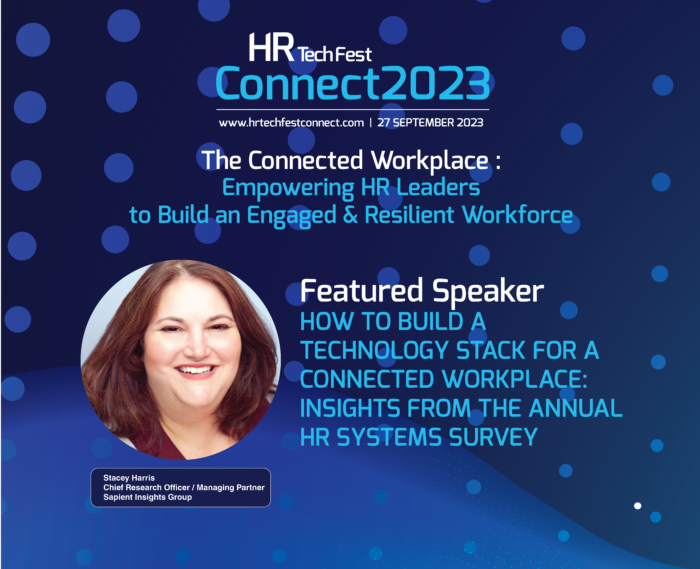
Sapient Insights Group’s Stacey Harris explores HR’s transformation and the importance of HR technology in Asia-Pacific.
How HR leaders can cultivate an effective contingent workforce

Rob Squires, VP, Regional Head of Asia and Japan, Ceridian, discusses the gig economy’s impact on workforce approaches.
Male employees in Singapore feel more anxiety over job security

Organisations can do more to build trust so employees that their efforts are recognised, while providing more development opportunities
Cultivating responsibility and sustainability in the workplace

A new project launched by Rothman & Roman aims to present the best employee engagement and communication practices in Singapore.
More male employees in Japan took paternity leave in 2022

The financial and insurance sectors led in paternity leave uptake at 37.28%, while the hospitality and retailing showed modest 9.06% participation.
Advancing the D&I agenda from diversity to true inclusion
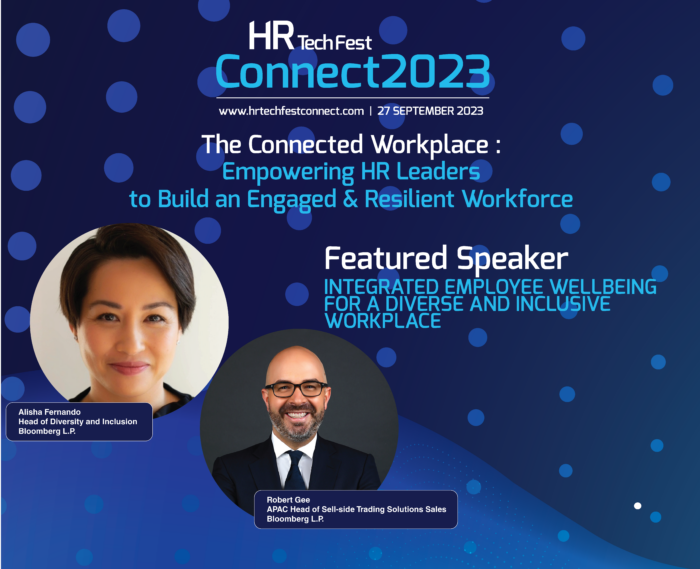
The DE&I journey has taken Bloomberg from diversity to inclusion, writes Alisha Fernando, Head of Diversity and Inclusion APAC, Bloomberg.
Crafting narratives of change: A human-centric approach
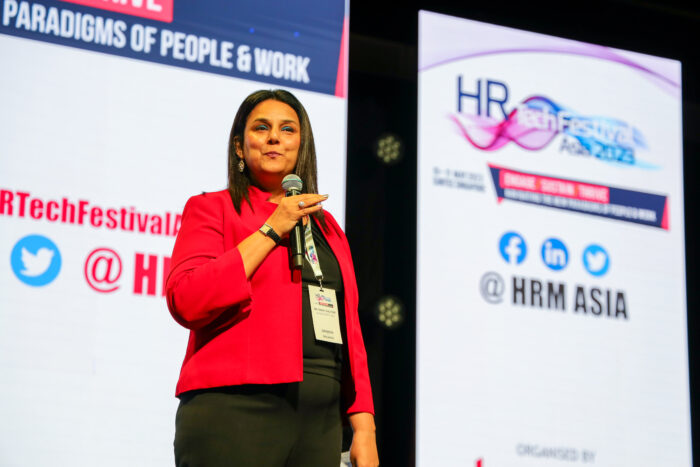
Dr Tanvi Gautam delves into the impact of generative AI on work, emphasising empathy, collaboration, and culture for a transformed workplace.
Do or do not: How to build longevity in the workplace

A former Vice-President of Microsoft shares the most common mistakes employees make throughout their career, and what they can do instead.
Inflation drives down real earnings in Taiwan despite increase in wages

Wages rose from January to June earlier this year, but also saw a drop in earnings for the first time in seven years.
New Zealand mandates gender pay gap reporting

Nearly 900 organisations, each with over 250 employees, are set to disclose their gender pay gaps under new regulations.
Inclusive social protection for all employees in the Philippines

Maximising productive and sustainable job opportunities, and raising salaries, form part of a blueprint for inclusive labour development.
South Korea’s job growth slows for fourth consecutive month

The country’s total workforce now numbers 28.68 million, as the unemployment rate fell to 2.7% in July, the lowest recorded since 1999.
Malaysia explores full salary transparency in job postings

To help graduates make better decisions when applying for new jobs, the government is proposing that job adverts openly declare salary ranges.
Employee in Australia fired over WFH inactivity

Her unfair dismissal application was rejected by Australia’s workplace tribunal, which supported a misconduct charge by her employer.