
AWS: Workplace innovation starts with dissatisfied employees

Those who are curious about how the world works and their role in it are likely to innovate at the workplace, said CEO Adam Selipsky.
Cultivate high-performing employees with a people-first approach

To allow employees to thrive in a hybrid environment, organisations should design work models around the needs of their workforce.
Building an employee-first workplace culture a priority for CHROs in 2023
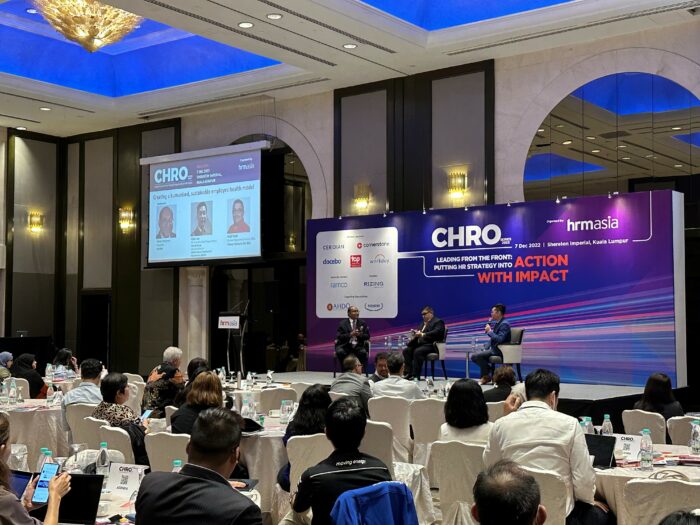
HRM Asia’s CHRO Series Malaysia 2022 took a deep dive into topics such as employee wellbeing, HR transformation, and workforce optimisation.
SMEs rank survival and expansion as top challenges

Talent acquisition and retention is also one of the biggest challenges faced by SMEs around the world, reported the World Economic Forum.
Looking ahead: What are the priorities for CHROs in 2023?
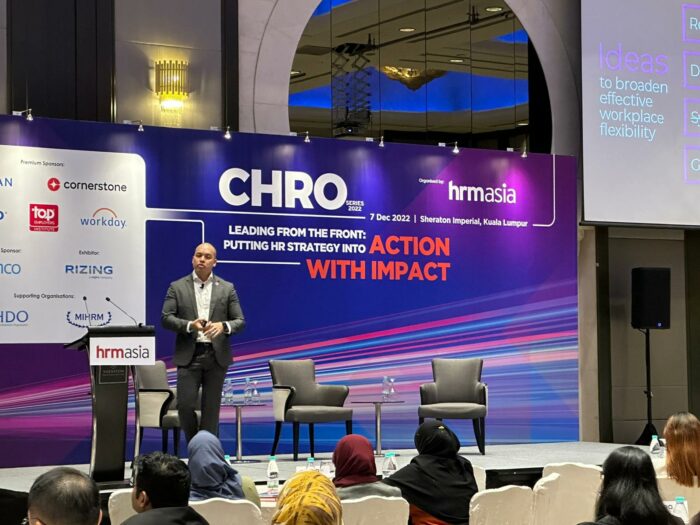
Organised by HRM Asia, CHRO Series Malaysia will address how CHROs can navigate their organisations through the challenges in a post-pandemic era.
Employers in Hong Kong prioritising employee retention in 2023

Introducing hybrid work policies and increasing investment in the upskilling of employees are some of the key strategies to retain talent in the new year.
2 Cents: People-first approach a priority for HR in 2023

With people key for organisational success, attracting and retaining the best talent is on the agenda of every HR and business leader heading into 2023.
Why CHROS are focusing on human capital management in 2023
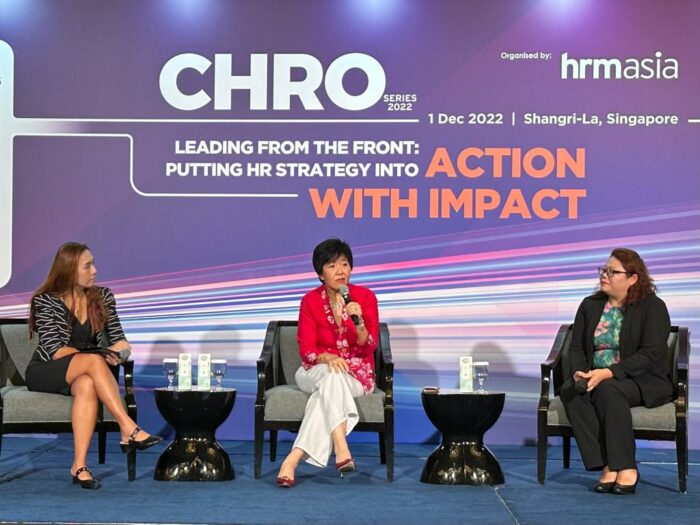
Attracting, managing, and retaining talent was a key discussion point at HRM Asia’s CHRO Series Singapore 2022, which took place on December 1.
Engage, retain, and attract employees – by design

Dr C J Meadows explains why adopting a Design Thinking approach can help organisations create a great employee experience.
Redesigning employee experience for the future of work

Mallory Loone, Co-Founder of Work Inspires, provides tips on how organisations can redesign the right employee experiences for their employees.
What CHROs can do to shape the world of work in 2023
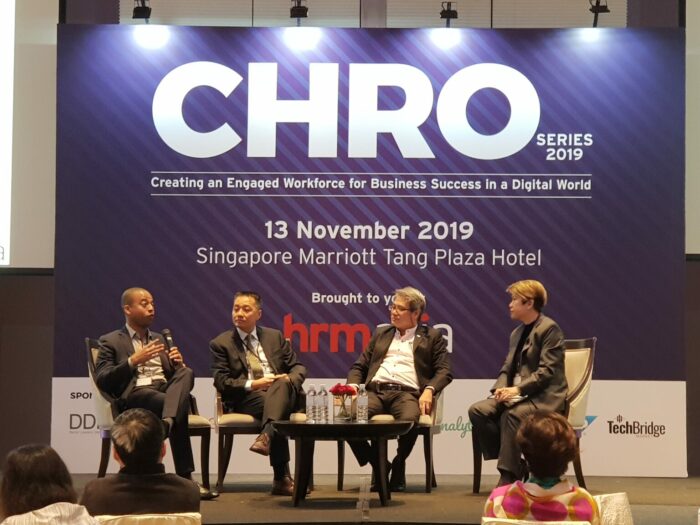
Taking place on December 1, the CHRO Series Singapore will discuss topics such as building a talent management strategy that embraces innovation.
Why coaching is the most effective L&D tool for organisations today

Nick Goldberg, CEO of EZRA, suggests that the future of L&D is coaching, which is a more effective tool that training, mentoring, or consulting.
Workforce optimisation: HR’s next big priority

Workforce optimisation is a critical lever in driving business continuity and profitability through any type of change, highlights Workday’s Pannie Sia.
Employee benefits strategy key to talent retention

Companies operating in the Asia-Pacific region recognise that they need to improve their employee benefits strategy to hire and retain top talent.
Emotional adaptability can help boost creativity at work

By developing creative employees, organisations can help boost business productivity in more conventional roles like accounting and data analytics.
Organisations should take a people-first approach to attract talent

Ways to foster attractive workplaces include leveraging flexible work options to provide employees with more autonomy.
Why HR leadership is the key to organisational change

A change-ready culture driven by the behaviours and performance of leaders is pivotal to manage disruption and prepare employees for change.
More employees in Japan engage in moonlighting

One in three employees in Japan currently have a side job or have had one in the past, as employers are encouraged to support this practice.
Singapore leads work flexibility agenda in APAC

In contrast, over 20% of leaders in the Philippines, India, Sri Lanka and Malaysia expect employees to be working in the office all the time.
Irresistible: The management principles for today’s companies

Josh Bersin describes the seven key principals that can help organisations create successful business strategies.
Navigating the new paradigm of people and work
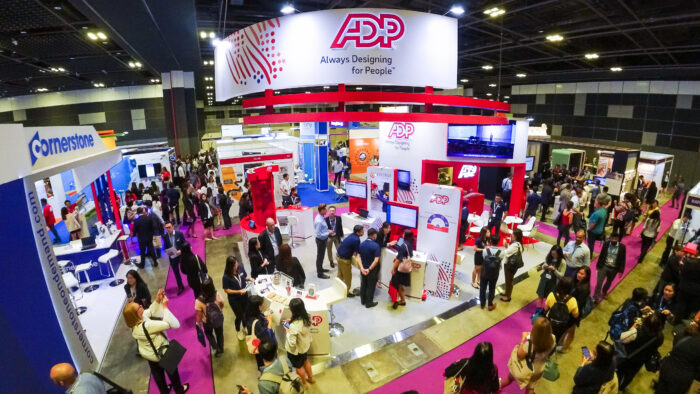
Taking place from 10-11 May 2023, HR Tech Festival Asia 2023 will discuss the most pertinent workplace issues facing organisations in Asia.
Digital transformation to impact Vietnam’s employment structure

Adapting business models to a digitally transformed society is imperative for organisations, especially in the employment and labour sectors.
Employees seek more flexibility in work and careers

While compensation is still important for employees, work flexibility and career development opportunities are increasingly being prioritised.
Older employees more likely to neglect work-life balance

Compared to their younger counterparts, employees aged 50 and above are more likely to put in extra effort at work beyond regular hours.
Salary hike expected for employees in Thailand

A projected salary increase of 4.5% across all industries can be expected for the next two years as companies offer higher wages to attract talent.
Employees in Malaysia unwilling to take pay cut for remote work

Employers are also urged to set clearer policies on flexible work to develop more comprehensive workforce strategies.
HR leaders expect to continue remote work in 2023

Nearly one in four HR leaders expect to maintain a 90-100% remote workforce, while half expect to maintain a remote workforce of 50% or more.
Bringing the best out of employees with performance management

Tony Tran, Lead People Scientist, Culture Amp, explains why effective performance management can help create happy and productive employees.
Work flexibility can address employee burnout

Flexible schedules can reduce burnout, increase employee engagement and loyalty, and promote business success.
Reimagining work: How CHROs are leading from the front
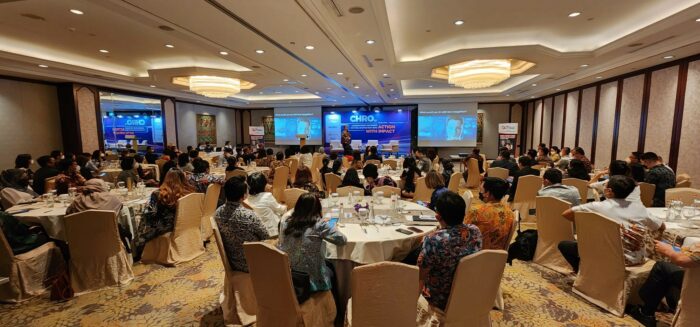
Organised by HRM Asia, the CHRO Series Indonesia is kicking off today at the Shangri-La Hotel in Indonesia.