
Employees taking greater responsibility for their wellbeing

A hybrid approach that supports a productive and healthy workforce can enhance the long-term success of organisations.
Millennials in Hong Kong desire healthy lifestyles

Health and wellness are important to millennials, and they are willing to spend on what is of importance to them.
The HR tech market categories to watch this year

Josh Bersin provides his outlook on the areas in the HR technology market that will have the most growth potential in 2023.
Creating a successful approach to flexible work

In this special report, HRM Asia spoke to organisations on the key strategies that will make flexible work successful in 2023.
Why the 9-to-5 work schedule may no longer be effective

Organisations should rethink how they manage traditional workhours to get the best out of employees who work from the office.
How to improve employee engagement and retention

Providing employees with career mobility opportunities can help organisations grow and retain their best employees.
How to embrace diverse personalities and values in the workplace

Diversity is commonly understood to refer to visible differences, but it encompasses a much broader range of characteristics within the workplace.
Engage and retain frontline employees by improving EX

Frontline employees who feel a sense of belonging are less likely to resign, underscoring the importance of meeting their needs and preferences.
Employees in SEA reluctant to speak up about mental health concerns

Organisations can do more to create a psychologically safe work environment that improves employee engagement, performance, and retention.
Who are the Top Employers in the Asia-Pacific region for 2023?

Top Employers Institute has announced their 2023 APAC Top Employers, which are organisations that have achieved HR best practice excellence.
Darwinbox and Microsoft redefine the future of work
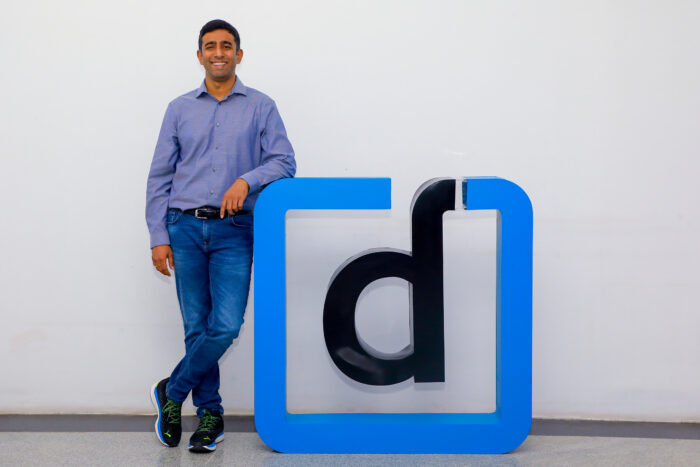
A new collaboration between the companies will provide solutions for organisations to acquire, develop, and empower employees more effectively.
The future of employees and what it means for your organisation

Tim Sackett will be at HR Tech Festival Asia 2023 to discuss the evolution of employees and how organisations can focus on their people.
Do you know what your employees want in their careers?

To help employees find a fulfilling career, organisations can start by understanding what different employees are prioritising at work.
Casting a wider net: Acquiring the best talent beyond borders

Deel’s Karen Ng highlights why employers are going beyond their shores in search of the right talent and the role Deel is playing to support them.
Manpower and higher costs remain core challenges for firms in Singapore

The business outlook for 2023 is more cautious, considering the challenges in manpower, wages and inflation that are anticipated to continue.
People-centric approach underpins SABIC’s work culture

Abdulaziz Al-Oudan, EVP, Corporate Human Resources, SABIC, discusses the initiatives that make SABIC an employer of choice.
What can organisations learn from the mistakes employees make?

Henley Business School’s Professor Ben Laker highlights how organisations can foster a culture of learning through embracing mistakes.
Employees in Japan can choose to stay longer in the workforce

With Japan facing a talent shortage as the population ages, firms are encouraged to do more to support older employees who want to continue working.
Achieving work-life balance through flexible work

Flexible work arrangements and reduced working hours are some of the ways organisations can help employees find the optimal work-life balance.
Talent the top concern for Australia’s business leaders in 2023

Digital transformation and cybersecurity are also among organisation’s top priorities, a KPMG Australia survey has found.
Josh Bersin: Let’s talk about layoffs and how to handle them

Josh Bersin discusses how organisations can manage layoffs more effectively, even in uncertain economic times.
Work from home experiences differ for couples

A study suggests husbands should be given more flexibility at work to support their wives in accomplishing their work and family responsibilities.
What’s keeping HR leaders up at night?

While recruiting and retention remain HR leaders’ top focus, there have been some shifts in other areas, a survey from Human Resource Executive has found.
Adopting a holistic approach to job satisfaction beyond remuneration

Chew Siew Mee, Managing Director of JobStreet by SEEK, highlights what employers need to offer to encourage talent to join, and stay with their firms.
Flexibility for employees in India as hybrid work set to stay

Despite concerns over a surge of COVID-19 cases in the country, many organisations are not deviating from existing hybrid work policies.
Redesigning EX for 2023? Put purpose at the centre of your plan

Organisations can create a productive and meaningful workplace for employees by developing an experience based on purpose.
Achieving positive employee wellbeing goes beyond remuneration

As hybrid work continues, firms are encouraged to prioritise the wellbeing of their employees to retain and support their journey towards fulfilling careers.
Fostering a sustainable work culture with a people-centric approach

When employees are constantly striving to take care of one other, an organisation changes for the better, according to Virgin Group’s Holly Branson
Tech roles a top career choice for Gen Z graduates in India

Employers who provide the right value proposition to Gen Z employees are more likely to be able to retain them in their first job for more than two years.
Individualised approach to leadership can help managers succeed

Managers should implement individualised consideration to meet the divergent needs of employees, says new research from MIT.