
Four-day workweek firms see surge in job applications

While companies have witnessed a surge in job applications, it does not necessarily equate to finding the right candidate.
What the explosion of non-routine work means for HR

Josh Bersin describes the rise of non-routine work and how it is impacting HR decisions and the way work is carried out.
Be ready for the future of work by winning the talent war
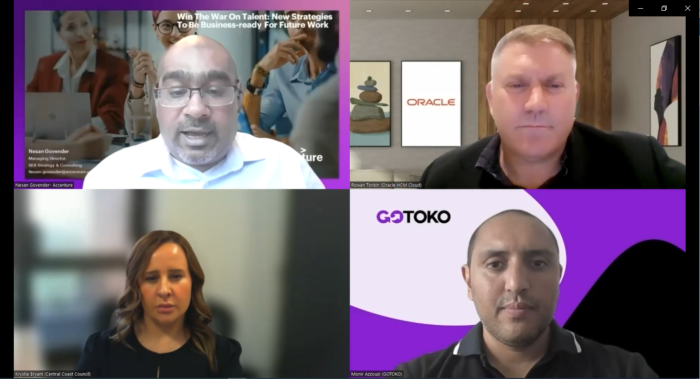
A recent webinar organised by HRM Asia, in partnership with Accenture and Oracle, explored talent management strategies for HR leaders.
Value of hybrid work may overtake pay increase

Recent research has shown that employees would choose a hybrid work arrangement over any pay increase offered by their employer.
Employees in Vietnam perceive themselves to be underpaid

80% of workers who are earning more than the average salary think they are paid less than or the same as market rates.
Positive employee recognition improves business performance

Employees who are recognised are likely to be more engaged, productive, inclusive, and loyal to their organisations.
Accelerating the impact of people strategies to enrich the world of work

Billy Elliott, Regional Director APAC, Top Employers Institute, highlights what it takes for organisations to be an employer of choice.
Developing a humanised approach in hybrid workplaces
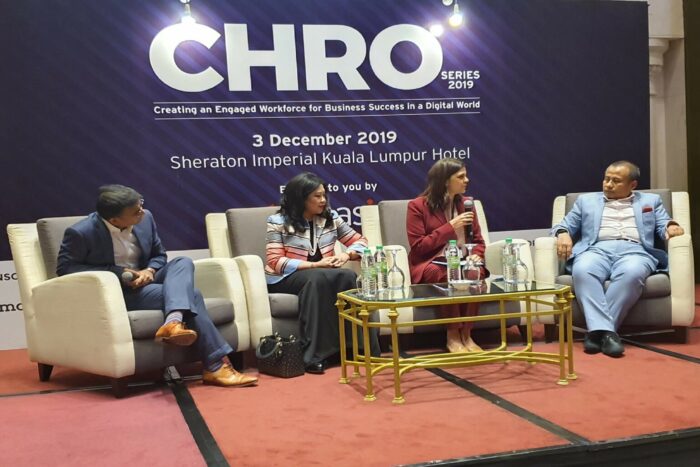
HRM Asia’s CHRO Series Malaysia will pave the way for sustainable employee journeys and highlight trends in human capital management.
Skills development key to maintaining employee job security

31% of Generation X workers in Singapore between ages 42 and 57 are worried about losing their jobs if they fail to keep up with digital transformation.
Non-essential meetings place financial burden on organisations

Getting employees to attend unnecessary meetings can cost big companies up to US$101 million per year, and can negatively impact employee engagement.
Businesses plan to invest more in coaching

Businesses use coaching to deliver change, thus creating opportunities for coaching to be democratised.
How to create HR sustainability at workplaces

As organisations face challenges in retaining talent, the Good Work Framework by the World Economic Forum provides strategies to overcome these issues.
Managers uncertain over productivity of remote employees

With hybrid and remote work continuing, managers are developing “productivity paranoia”, leading to efforts of spying on their staff.
Number of informal workers expected to decline in India

Citing the many challenges of managing informal workers, many companies in India are looking to formalise their workforce.
Mitigating “distance bias” as employees return to work

A stay interview is one example of how managers can know their team members better and lay the groundwork for better retention.
Navigating a new world of work in Indonesia

Organised by HRM Asia, CHRO Series Indonesia will explore the latest hybrid work models that can empower leaders to build successful HR teams.
Employment continues to rebound in Singapore

While employment is strong, companies are advised to hedge against market uncertainty by reskilling employees and offering flexible work.
New benchmarking tool aims to uplift Australia’s workplace standards

The benchmarking tool is designed to help organisations focus on employee wellbeing and improve organisational leadership.
The Philippines faces loss of IT talent if WFH scrapped

Employees of IT and business process management (IT-BPM) firms may resign if the government pushes for a return to 100% on-site work.
Building a future-ready workforce in a digital era

Natalia Navin, CHRO for Maxis, discusses the strategies the telco has implemented to empower employees to attain greater success in their work.
Redefining the role of HR leadership in reshaping work
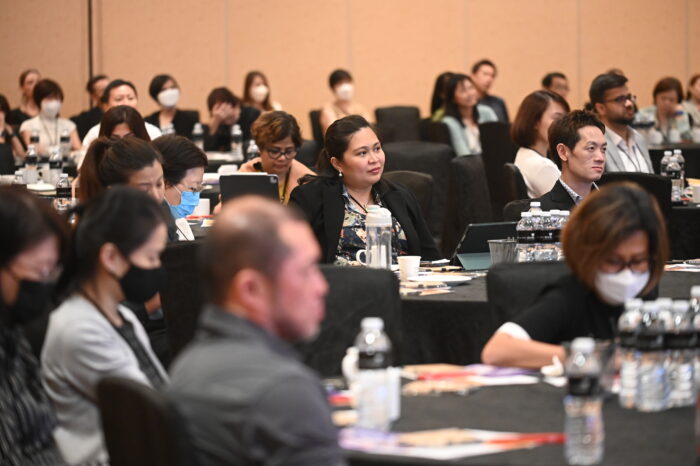
More than 170 HR and business leaders discussed topics like modern HR mindsets, flexible work and employee wellbeing at HR Leadership Series: Live.
Companies in India use promotions to retain staff

At a time of talent shortage, several companies are giving off-cycle promotions to eligible employees as they attempt to hold on to experienced staff.
Establishing hybrid leadership in today’s changing world of work
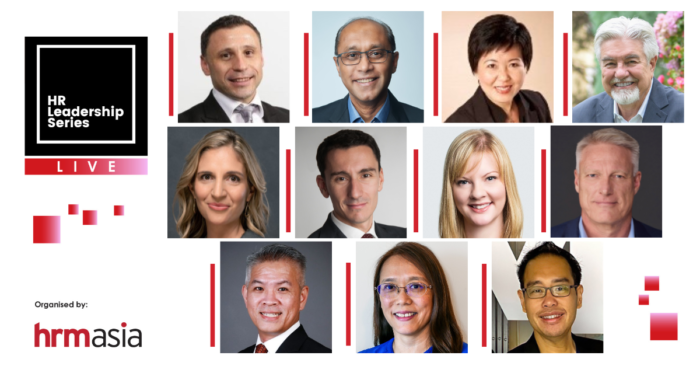
The first instalment of HR Leadership Series: Live will shed light on strategies that will shape the way organisations work in 2023 and beyond.
Gen Zs in Singapore plan to relocate for work

An ADP report found over 51% of workers aged between 18–24, and 43% between the ages of 24–34, have planned or considered relocation for their jobs.
Malaysia’s Gen Z workforce seeks more than renumeration

As the youngest generation to enter the workforce, Gen Z employees are looking beyond monetary fulfilment at work.
Majority of Singaporeans seek upskilling in jobs

Understanding their future job prospects is similarly important among employees, a Randstad survey revealed.
Can building a talent ecosystem help you boost employee morale?

Digitalisation and a talent-ecosystem approach can help streamline efficiency and boost morale in the workplace, says EY.
Amazon’s WFH strategy lets employees stay performance-focused

Amazon’s three-pronged work-from-home strategy places emphasis on how employees work rather than where they are working from.
RGE adopts Workday HCM to modernise HR processes

Having transparency across its talent management process allows Royal Golden Eagle (RGE) to make data-driven decisions in driving growth.
HR leadership embodies workplace culture and organisational success

UPS Asia Pacific’s Tanie Eio highlights the key qualities HR leaders need to lead their teams in a constantly changing world of work.