
Renewable energy’s talent shortage in South-East Asia: Why you cannot outbid your way out
- Josephine Tan
- Topics: Features, Home Page - Features, Recruitment, Talent Management

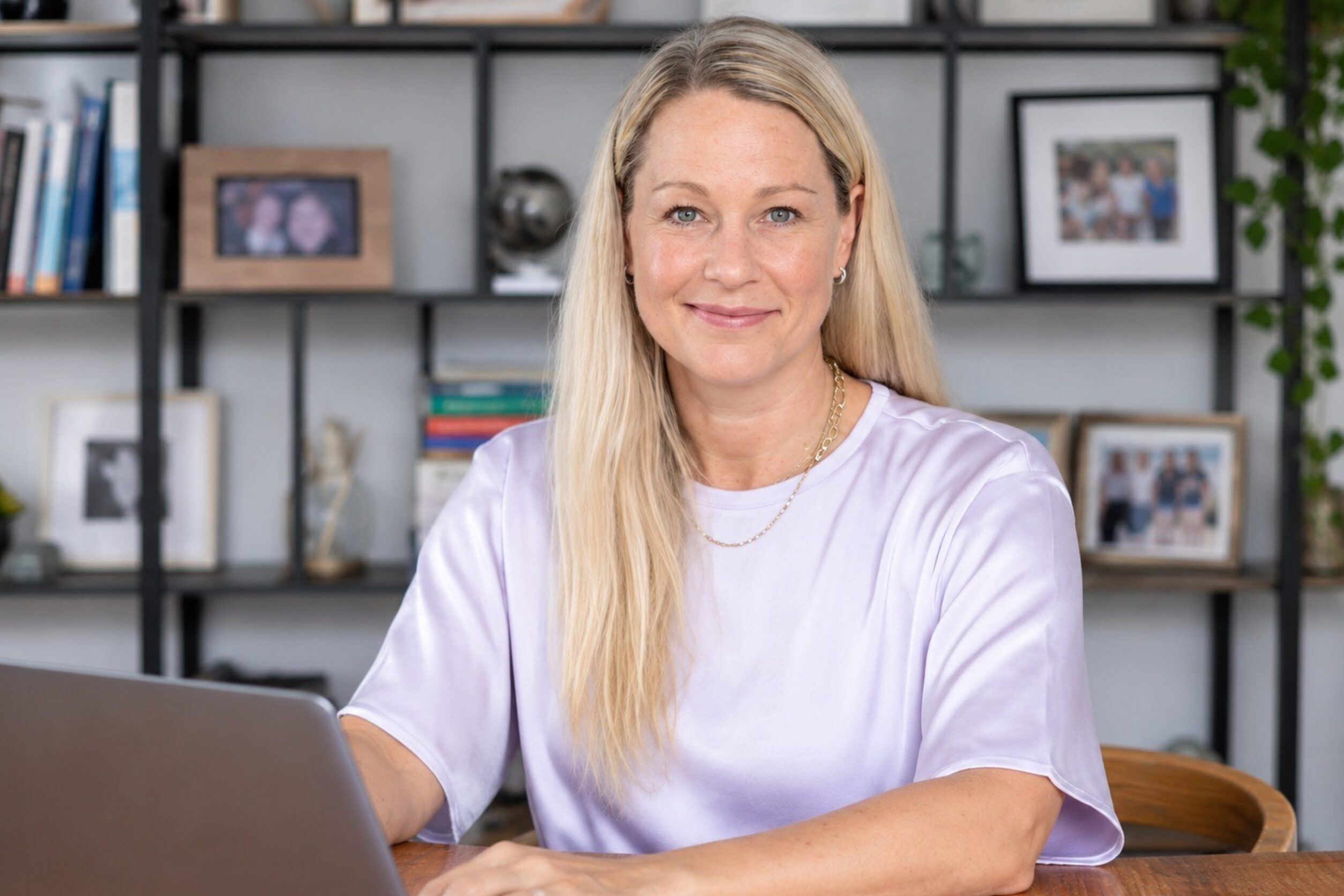
Sonia Liew, Head of Human Capital at Levanta Renewables: “The war for talent is real, and candidates know it.”
Sonia Liew’s view of the renewable energy talent market is unsentimental. “The war for talent is real, and candidates know it,” she tells HRM Asia. “This gives them the upper hand in the negotiation process.” It is a market no organisation can simply pay its way through, because there will always be a rival willing to bid higher – a problem Liew, Head of Human Capital at Levanta Renewables, has spent the past two years building a human capital function around at Levanta Renewables, which has grown since 2018 to more than 90 professionals across seven offices and 762MW of projects operating, under construction or in advanced development.
What she inherited reflected where the organisation then stood. “It was a young company, with an ambition to make our name in South-East Asia, and the priority was very much on building and scaling the business fast,” she says. The function at the time suited that stage, and she knew it would have to change as the business did.
Her method was deliberately plain. “I looked at it quite simply: what do we have today, and what will we need in 12 and 24 months from now? That tells me where we need to be, and when we need to be ready.” From there came a sequence of plans, at six months, 12 months and the year beyond, covering organisational design, operations and governance, and the people strategies underneath them: attraction, rewards, retention, talent management and succession.
Two decades in HR have left her with few surprises, though she is clear about what makes a scaling business different. Priorities move without warning. A problem that consumes a week can be made irrelevant by a change in business direction the following one. “Growth changes the rules too. What works at 30 people rarely works at 100,” she says. Staying close to the business is what allows her to see where it is heading and keep the function flexible enough to move with it.
What travels across borders, and what does not
Operating across several South-East Asian markets raised a question that most regional HR leaders eventually face: how much should be the same everywhere? Liew’s answer begins by narrowing what consistency actually means. “Let us be very clear that consistency does not mean making everything identical. For us, it means being consistent about the principles and letting the execution reflect the market.”
Each market carries its own dynamics and expectations, she notes, and a single policy imposed across all of them would be neither practical nor effective. What matters more is that an organisation establishes its own DNA: shared values and a clear expectation of how leaders and employees are meant to show up. Policies and processes matter, but they do not need to be exhaustive. Markets need room to operate inside the framework.
Local labour law is non-negotiable. Beyond compliance, the harder judgement is working out what to standardise and what to leave alone, and that judgement is not made from headquarters. “The answer lies in spending time with the country teams, listening and truly understanding local needs and the external competition,” she says.
Against that competition, Levanta Renewables has leaned on what a growing platform can offer that a larger one often cannot: a visible connection between an individual’s work, the projects being developed and the organisation’s growth. It has also widened its search. Certain roles demand renewable energy expertise, but others can be filled from adjacent industries by people who have transferable skills, for whom the chance to learn the sector is itself part of the draw.
None of which settles the question once someone has signed. “Hiring is only the beginning. Attracting talent does not stop once they join. They stay when they see a future, trust their leaders, and feel the organisation invests in their growth,” she says. That has pushed the organisation toward more intentional work on career development, leadership capability, performance management and recognition.
Building people ahead of the projects
Culture, in her view, is frequently misread. “Culture is not about having a long list of team-building activities. It is about being clear about how we expect people to work together, with their behaviour reflecting our core values every single day.” Across borders, and with employees who joined at very different points in the organisation’s life, none of that can be assumed, so the values have been defined and then translated into everyday behaviour.
Leadership development has shifted along similar lines. Early on, the task was getting the right leaders in place to build the business. The question now, Liew says, is whether those leaders can scale with the organisation, which puts weight on how they build teams, manage performance, develop people, make decisions and create accountability. “Our leadership agenda has shifted from building individual capability to building organisational capability.”
READ MORE: Singapore makes one in 10 of the world’s chips. Talent depth is another question
Looking ahead, she sees the sector’s defining challenge as capability arriving at the speed the industry requires. Renewables is growing faster than the supply of people who combine technical expertise, project experience, commercial understanding and the ability to work across markets, and competition for that group will intensify.
She concludes that HR cannot recruit its way through it. Critical roles need identifying, the skills required in three to five years need mapping, and people need developing before the need turns urgent. Workforce planning, she argues, belongs alongside business strategy, with HR aware of which projects are coming and what capabilities they will demand before gaps become hiring problems.
“Talent management cannot be an annual HR exercise in a sector growing this fast,” she says. “It has to sit inside the business plan, because the companies that win in renewables will be the ones that build their people ahead of their projects. Catch-up is not a strategy. It is how organisations end up with burnt-out teams, expose leadership gaps and lose the people they can least afford to lose.”