

How ADP CEO Maria Black leads through uncertain times
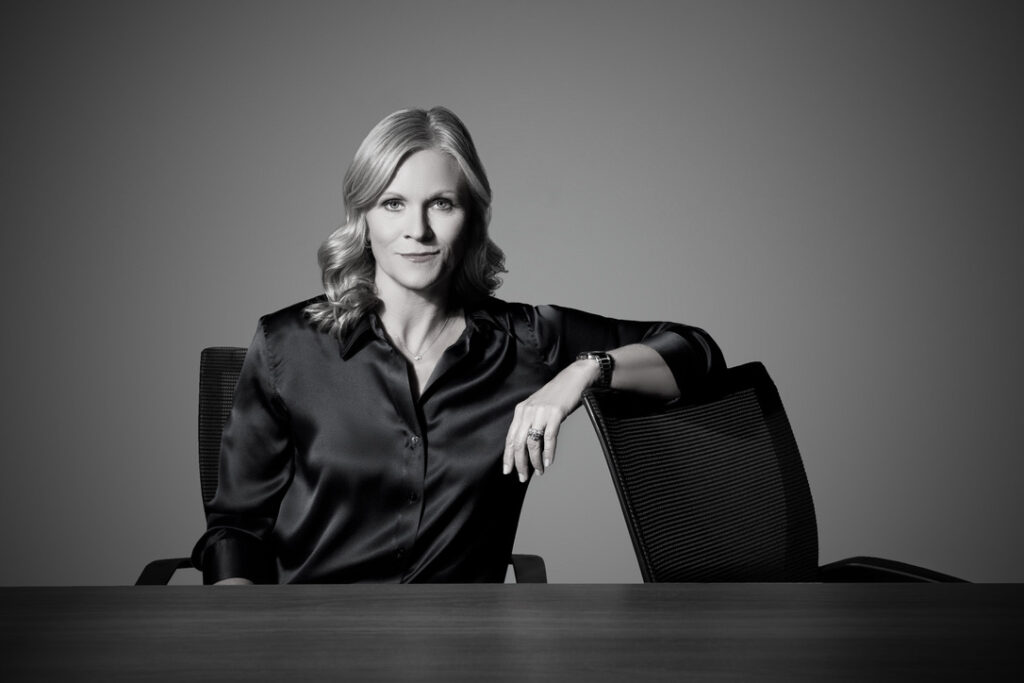
CEO Maria Black, marking her 30th year at ADP, says that managing a workforce is only getting more complex, and so is HR’s role.
Beyond execution: Why the AI revolution is scaling the human premium

As AI absorbs more of the execution in knowledge work, StarHub’s Tan Toi Chia argues the real transformation is happening in how work is designed – and in the human capabilities that never show up on a balance sheet.
AI is embedding faster than workforces are adapting, Kyndryl finds
AI adoption has surged, but confidence in workforce readiness has fallen. Kyndryl’s Dr Vishnu Nanduri explains why the gap is widening and what the organisations pulling ahead do differently.
What generative AI can and cannot do for HR, according to a Cornell professor
Cornell Professor Chris Collins discusses how generative AI’s function in human resources has already arrived as data aggregation.
Compliance asks if it was done. Governance asks if you can prove it
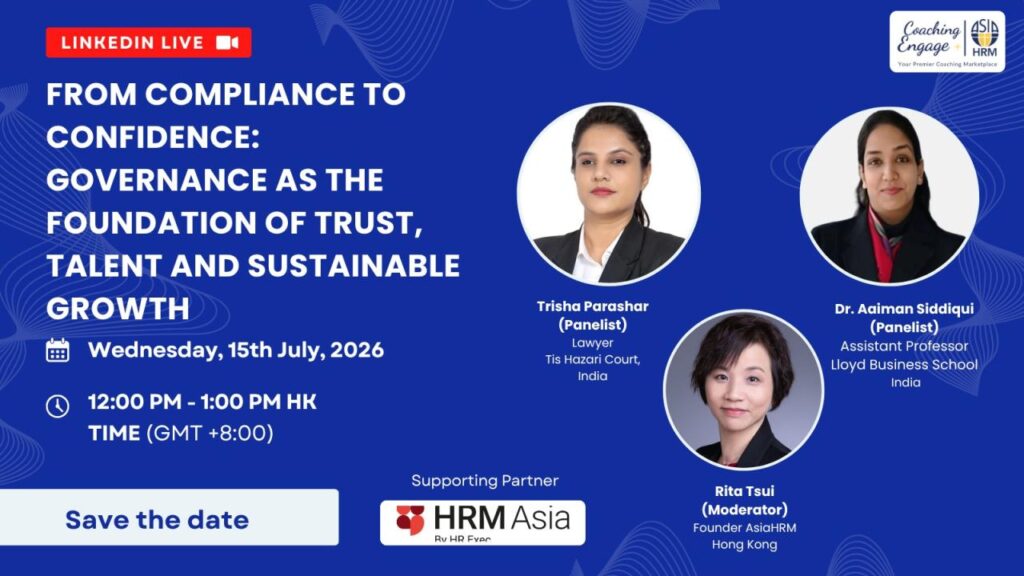
A panel of legal and academic experts unpacked why governance is shifting from control to trust – and where AI is creating new accountability gaps for HR.
Gen Z’s AI anxiety isn’t really about AI

In conversations about leadership, Gen Z’s AI anxiety is not the issue. It is a symptom of an ever-widening leadership gap.
The growth plan is global. Is the payroll infrastructure?

Backed by a US$50 million investment from Apis Partners, BIPO is scaling its proprietary infrastructure to help organisations expand across borders.
In South-East Asia, AI moves at the speed leaders set – not the speed tools arrive

Accenture’s Marta Lajmi argues the Western playbook for AI adoption – access, training, incentives – does not translate to a region where employees wait for leaders to make change feel safe.
Different tools, same verdict: The AI question has moved on
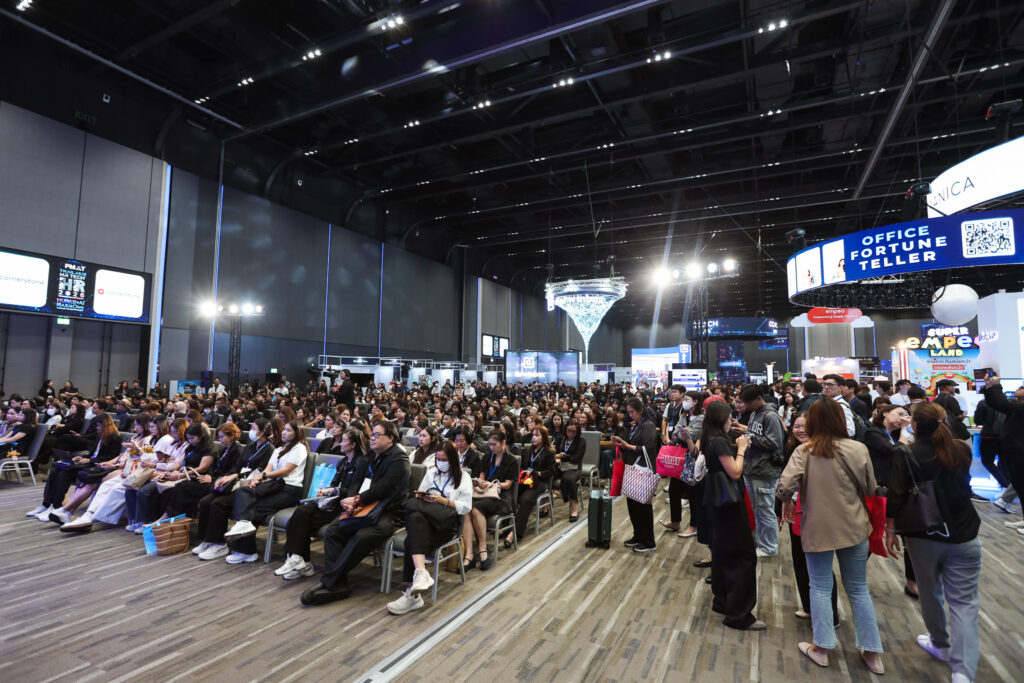
JOBTOPGUN, Humanica and Darwinbox build different tools for different problems. At Thailand HR Tech 2026, all three drew the same line between what AI does and what only people can.
Where AI takes over, where humans stay – and where work simply changes
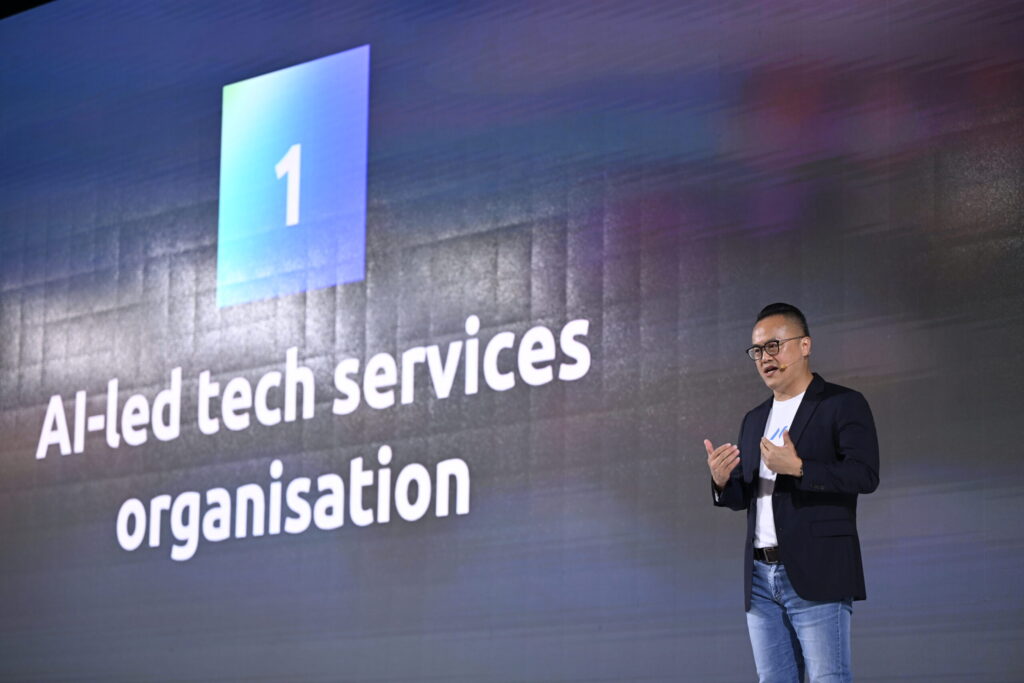
The era of intelligentisation demands specifics, not sweeping claims – on where AI helps, where it substitutes, and where human judgment must prevail.
For relocating families, a residence designed around the youngest guests

Family adjustment is one of the quieter determinants of whether an international assignment succeeds. A new limited-time apartment concept at Great World Residences turns its attention to the part of the household that is often hardest to settle: the children.
Early-career talent: The missing link in future-ready organisations
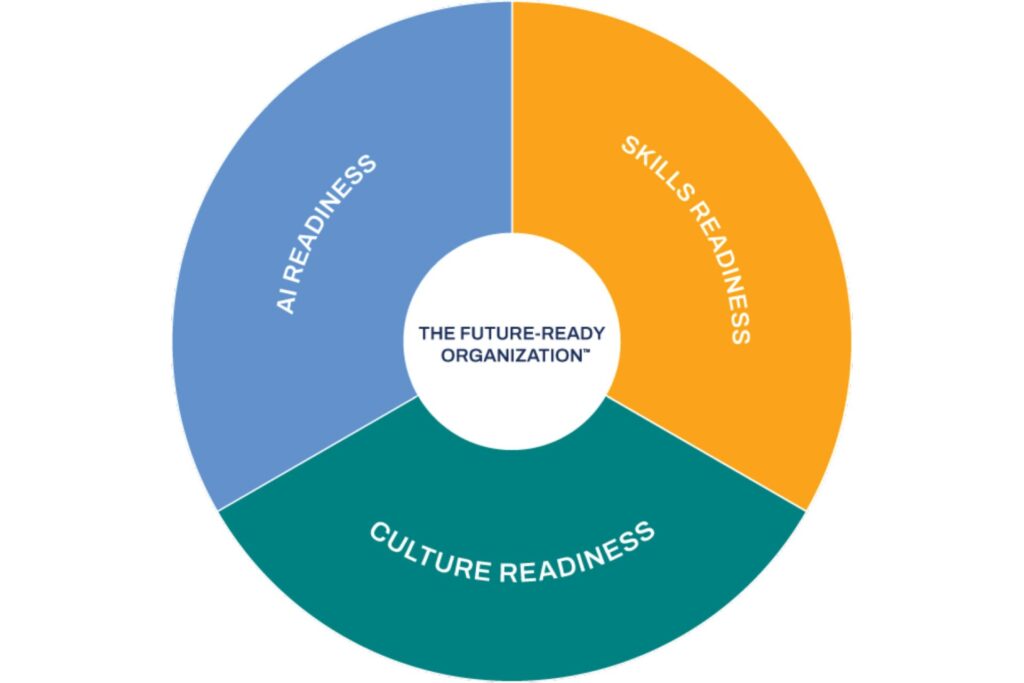
The path to becoming future-ready runs through early-career talent, but many organisations are deprioritising this talent pool.
Fixing the workplace, not just the symptoms: Inside HSBC Singapore’s structural shift to employee wellbeing
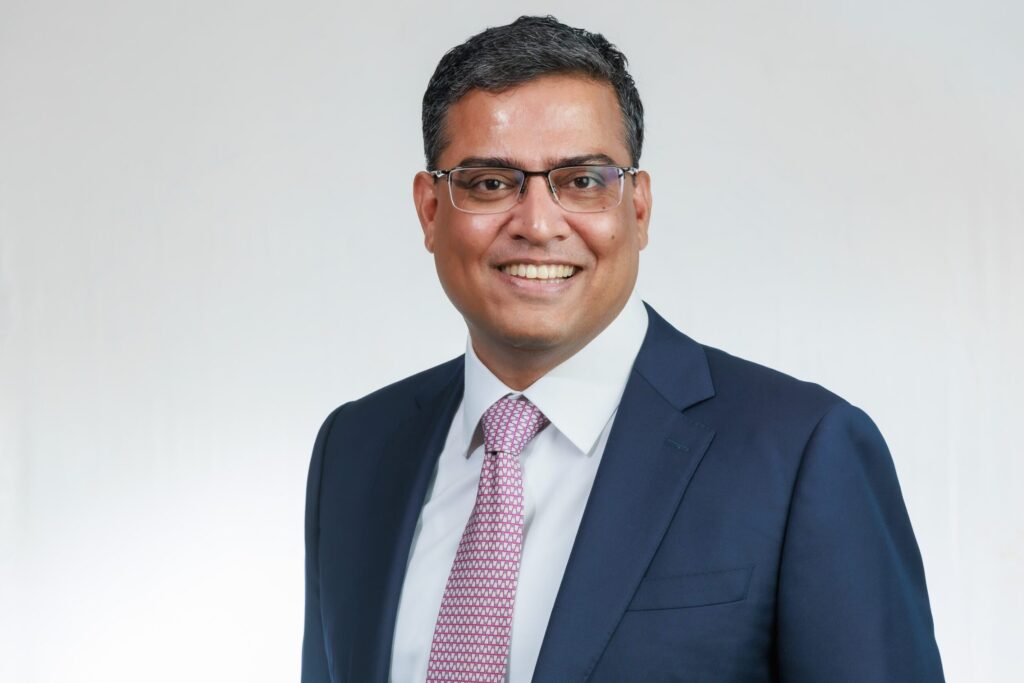
Head of People Mukul Anand discusses moving beyond traditional coping mechanisms to embed genuine psychological safety and inclusive design into everyday operations.
AI harmony is a design problem, not a technology one
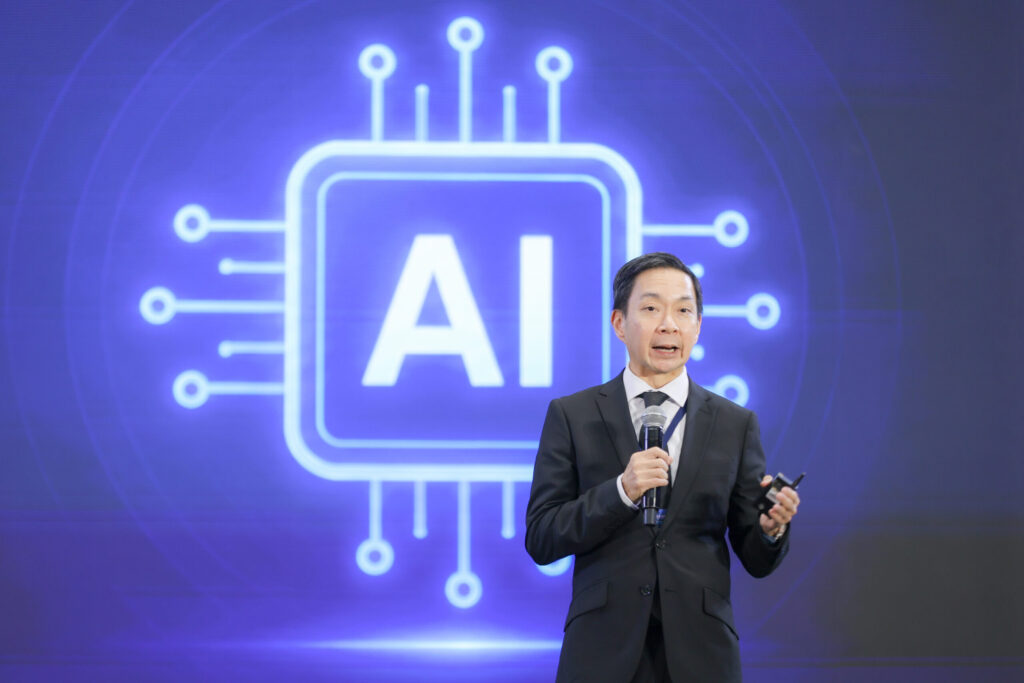
Worawat Suvagondha, PMAT President and Chief People Officer of Siam Commercial Bank, on redesigning work around people – and the one capability he tells his own HR team never to lose.
AI made work faster. It didn’t make it better.

Accenture’s global talent lead argues that most organisations have mistaken deploying AI for transforming with it – and a small group of “Talent Reinventors” is pulling away.
The skills that built engineering careers won’t build its future leaders
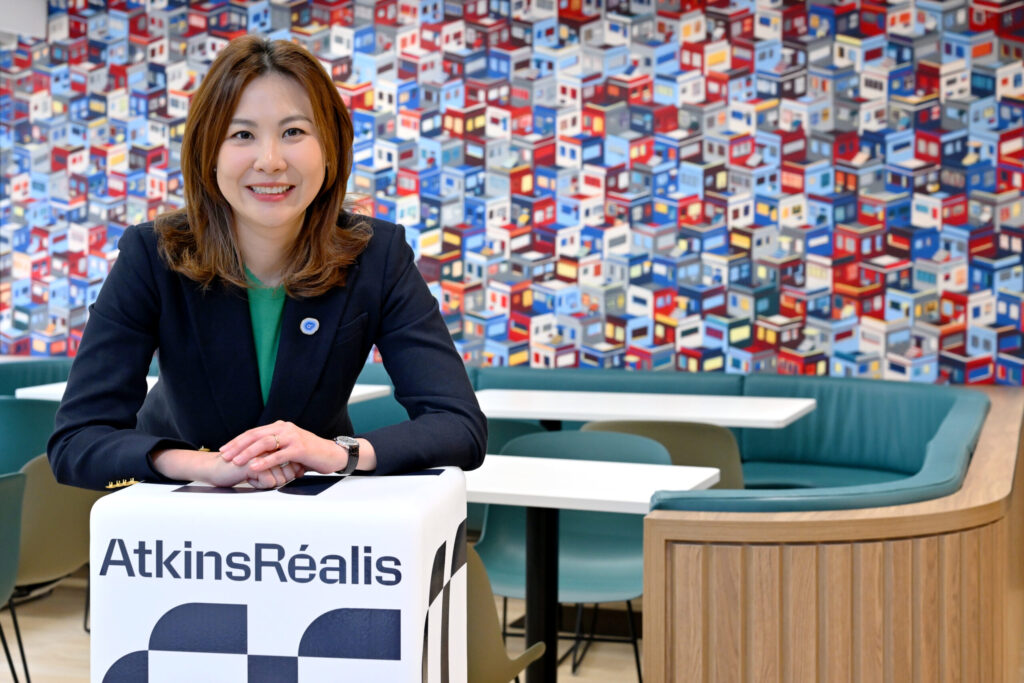
AtkinsRéalis Cindy Chiu on the qualities reshaping engineering leadership, and what will separate organisations that build a future-ready workforce from those that struggle to compete for talent.
Most leaders agree sustainability matters. Far fewer know what to do with it.
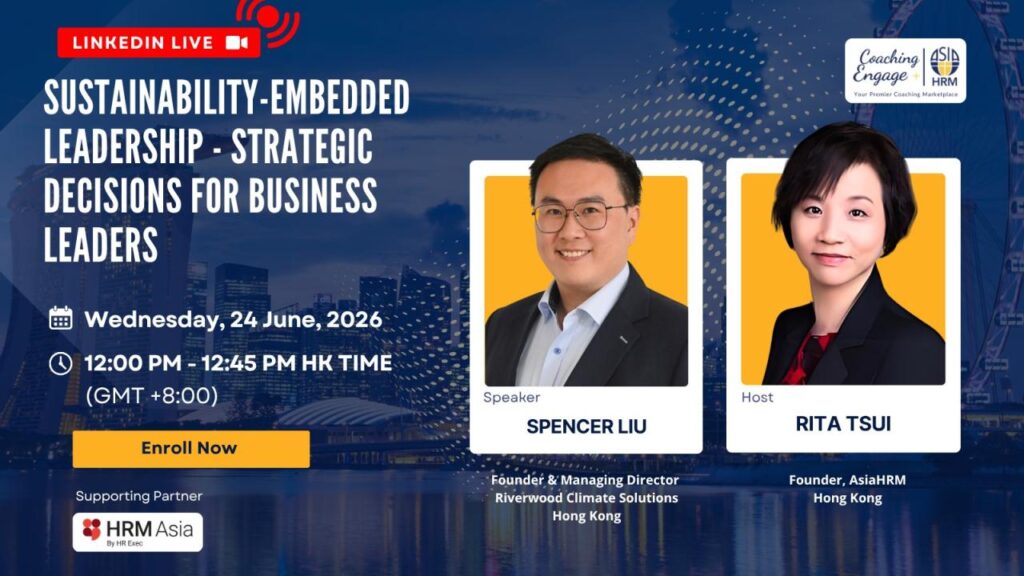
In the latest episode of AsiaHRM’s Sustainability for Business Series, Riverwood Climate Solutions’ Spencer Liu made the case that sustainability has moved out of the ESG report and into core business decisions – and that governance, not ambition, is where most organisations stall.
Your job is changing – even if you never change jobs
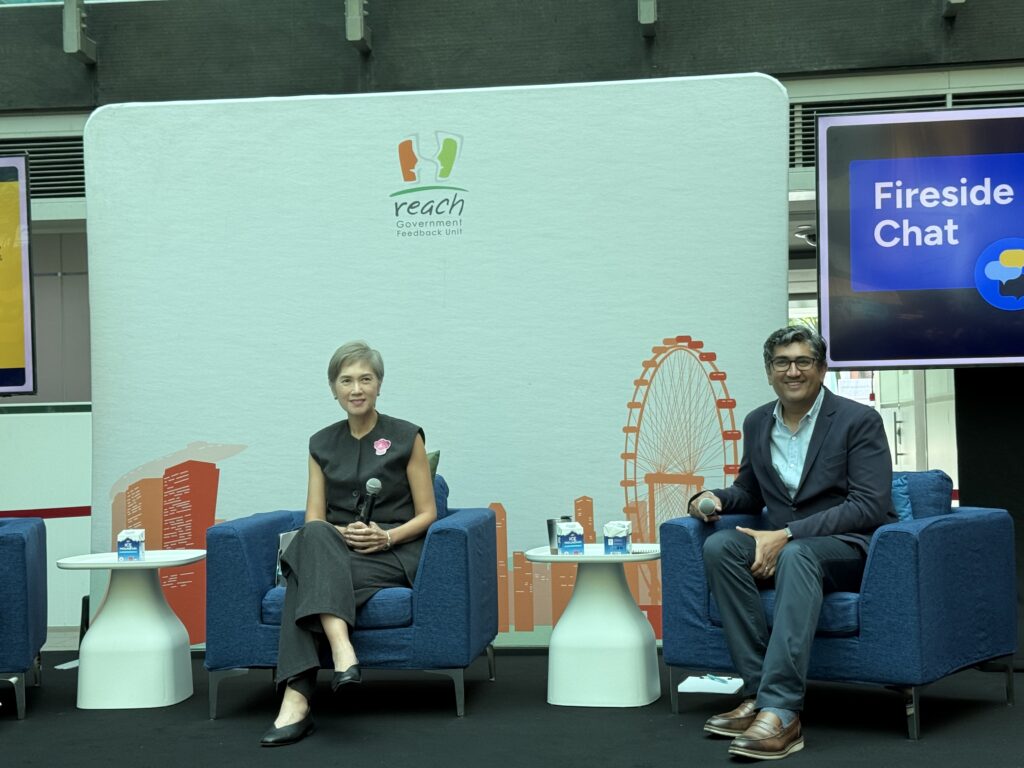
In an interview with HRM Asia, LinkedIn’s Aneesh Raman explains why AI is rewriting work at every level, and what it signals for how employers hire, develop and structure talent.
The CHRO’s impossible mandate: Move fast on AI, slow down on risk
Most organisations have not built the muscle to manage both AI and risk simultaneously, which means the CHRO ends up carrying it personally.
More women are being recruited into engineering. So why is progress still slow?
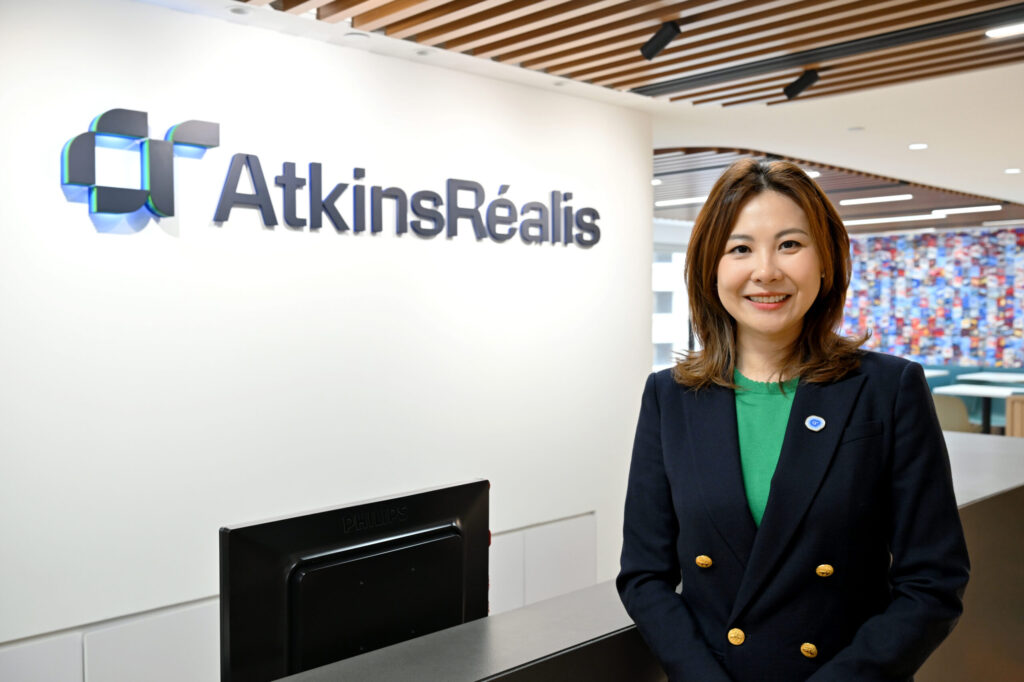
Cindy Chiu, Human Resources Director, Asia at AtkinsRéalis, on why attracting more women into engineering has not closed the gap – and what redesigning careers and workplaces would take.
AI is a sustainability tool. It is also a sustainability cost.

In the latest episode of AsiaHRM’s Sustainability for Business Series, Carbon Linking’s Mabel Chan made the case that the technology helping organisations cut waste is quietly running up an energy and water bill of its own – and that leaders need to count both sides.
Deliberate, not delayed: Why Gen Zs and millennials in Singapore are rewriting the rules of career success
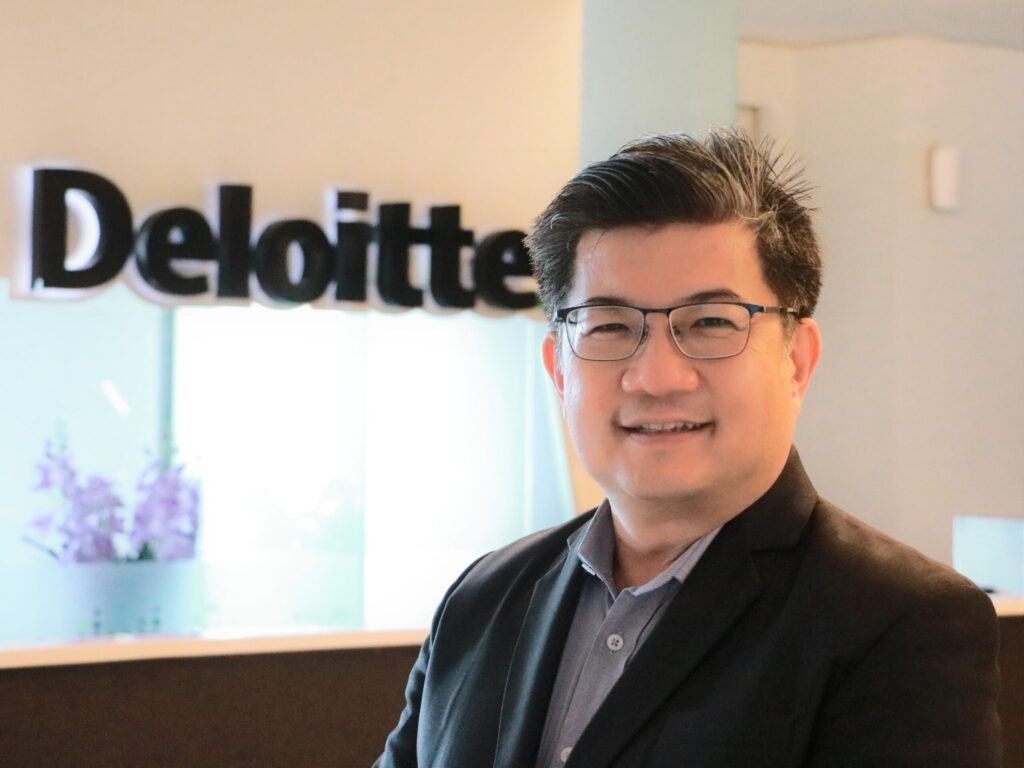
Singapore’s younger workforce is redefining ambition, and Deloitte’s Mark Nicholas Teoh says employers must adapt to their changing expectations.
Four ways CHROs must redefine HR’s value as AI redefines work
Organisations need HR to help determine what work humans should do in the age of AI; here are four ways HR leaders can help define that work.
Building a regional champion through a high-capability ASEAN workforce

An employee satisfaction score of +60, against an Asian telco average of +29. EdgePoint Infrastructure’s Chee Wi-Lyn, Executive Vice-President of People and Corporate Office and Co-Founder, on the talent strategies behind the number.
Singapore’s AI upskilling push: It is time to bring the frontline along

While AI adoption is rising rapidly in Singapore, Rachel Chen of J&T Express warns that frontline employees risk being left behind without targeted upskilling.
Inside Agoda’s strategic push to reclaim workplace chemistry and human judgment from the digital void
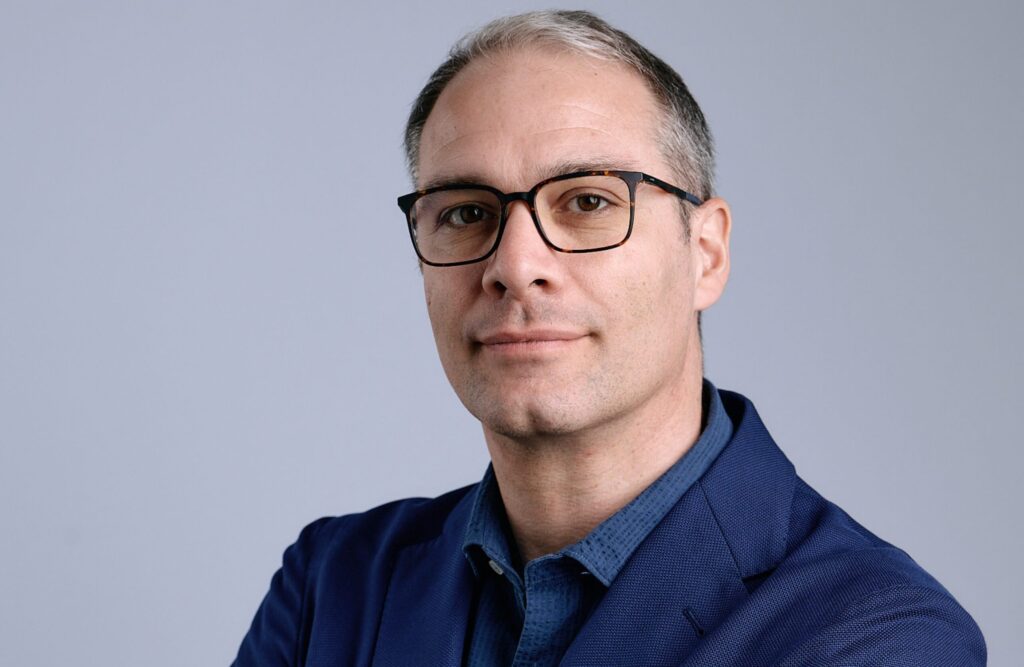
The mechanics of work may soon be unrecognisable, but for Agoda’s Paolo Inga, the fundamentals of leadership, trust, and culture remain as important as ever.
How the search for purpose is rewriting the social contract between employer and employee
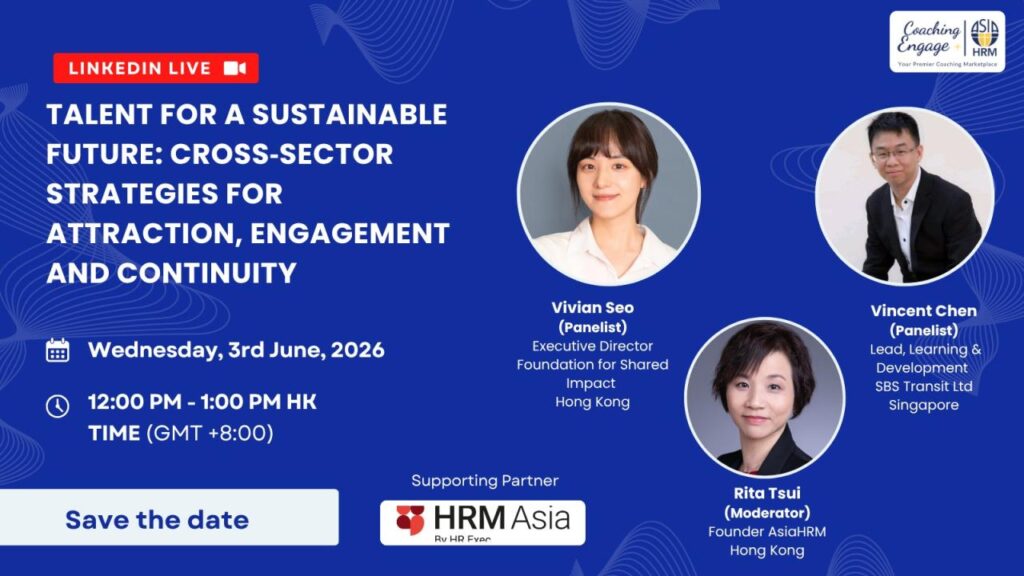
Purpose, empathy, and adaptability are emerging as critical drivers of talent attraction, engagement, and retention in an AI-powered future.
Thermo Fisher Scientific builds a human-centred model for shared services growth
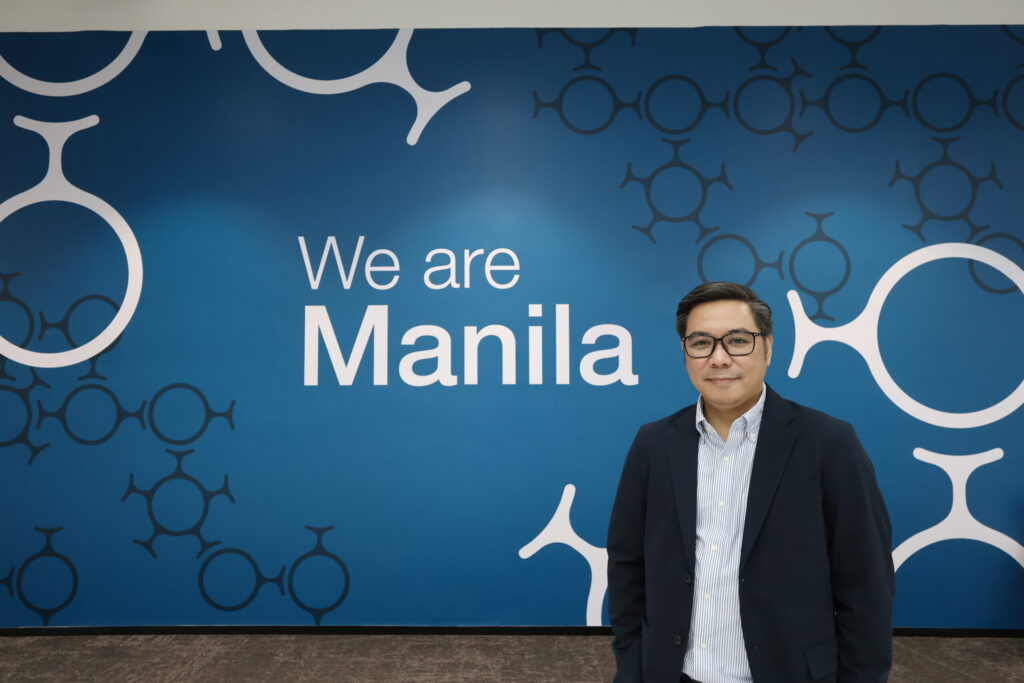
Restie Ramirez believes Thermo Fisher Scientific’s Manila operation is proving that culture and innovation can scale together in modern shared services.
When success turns hollow: Why HR must pay attention to leaders’ internal alignment
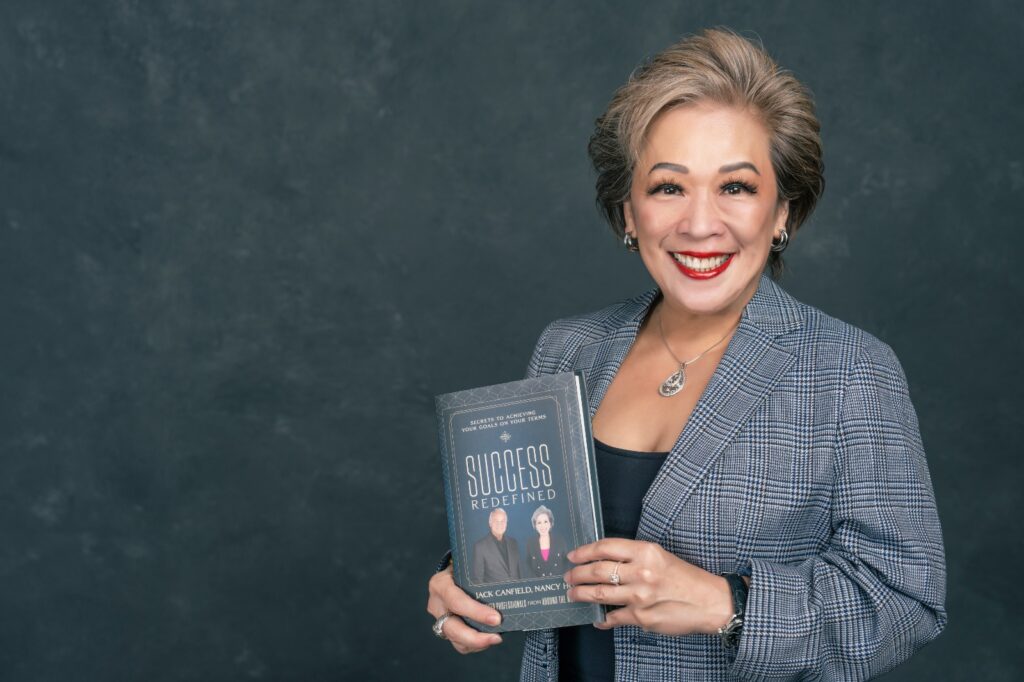
Nancy Ho warns that beyond burnout, a subtler leadership crisis is emerging—successful executives feeling internally disconnected despite results.
Beyond the buzzword: What inclusive leadership actually looks like in practice
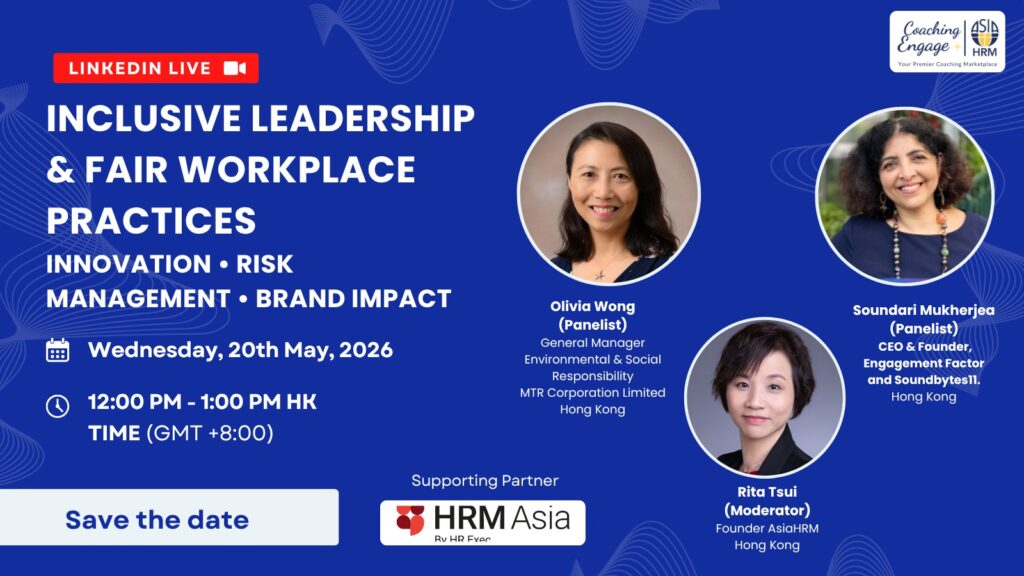
Diverse teams, safe spaces, and the grace to get it wrong – lessons from leaders building genuinely inclusive workplaces.