

Labour group in the Philippines calls for minimum wage review
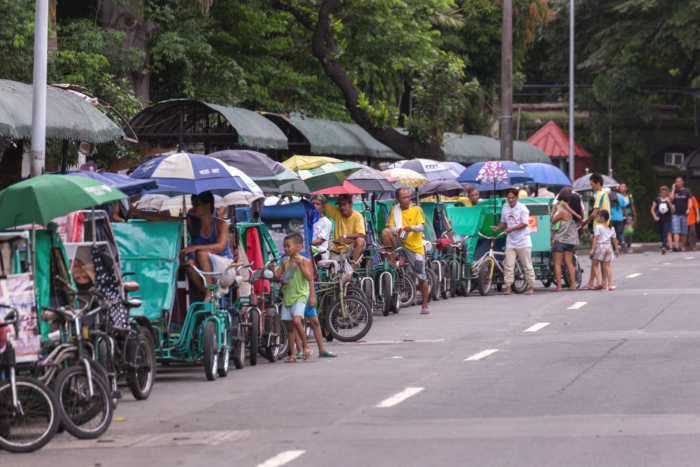
Inflation in the Philippines reached an all-time high of 7.7% in October, which has impacted the purchasing power of workers’ wages.
Gig workers in Singapore divided over contribution to savings scheme
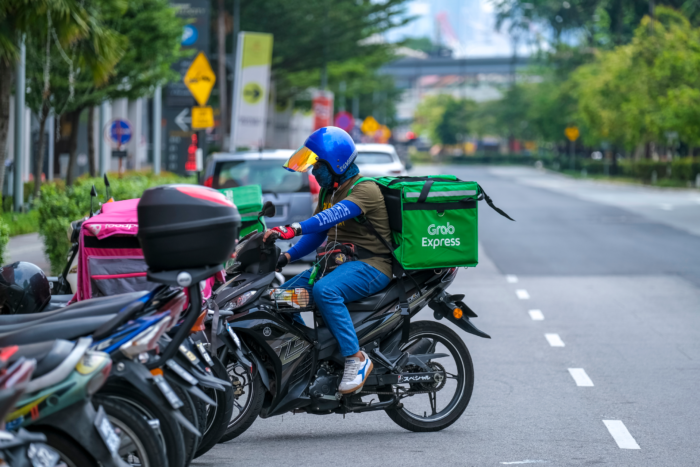
The discourse comes as a special committee continues to study recommendations and ways to strengthen protections for gig workers in Singapore.
Green transition gains momentum with enterprises and employees

Green workplaces are becoming an important aspect of work life for both employers and their employees, as they continue to support enterprise greening.
Most Australians support multi-employer bargaining proposal

Multi-employer bargaining, as outlined in a new bill, allows employees from different workplaces to collectively negotiate pay rises.
Malaysia plans to increase female workforce participation

These include addressing wage inequality and providing more childcare support, as well as upskilling and reskilling opportunities.
SMEs in India are prioritising ESG for business growth

More SMEs in India are implementing ESG practices, but they face challenges such as uncertainty over how to measure the success of ESG projects.
South Koreans spend more time at work despite reduced work hours

While work hours have declined over the past decade, employees in the country are still among those in the world who record the most hours at work.
Employers in Singapore called on to hike wages amid inflation

Wage guidelines for lower-wage workers have been set between 5.5% and 7.5% with the goal of narrowing the pay gap.
Wage hike dampened by rising inflation in Taiwan

The inflation-adjusted remuneration of employees in Taiwan fell in September, despite an increase in salaries over the same period of the previous year.
Vietnam set to hike wages starting July 2023
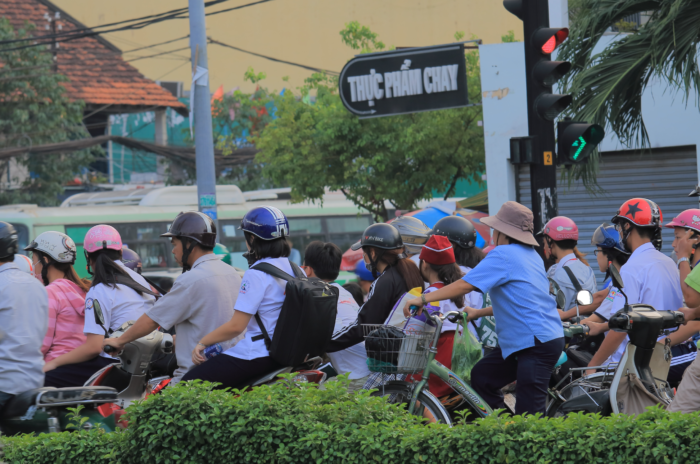
Besides raising the minimum wage in July, pensions and social insurance benefits for retirees will also increase by 12.5% in January 2023.
Labour shortage impacts more than half of companies in Japan

The ageing population, coupled with the recovery of the economy, has caused more than half of 11,000 firms in Japan to experience a labour crunch.
New Zealand places 20,000 people into jobs through national programme

As the country embarks on its economic recovery, the Flexi-Wage programme has helped address skills gaps and meet workforce shortages.
Digital transformation to impact Vietnam’s employment structure

Adapting business models to a digitally transformed society is imperative for organisations, especially in the employment and labour sectors.
Job security outweighs salary for employees in Singapore

Employees in Singapore prioritise stability and job security over salary, while good leadership is key to retain talent and maintaining employee wellbeing.
Employees in Malaysia can expect to earn more in 2023

Malaysia is also predicted to post a higher than average median salary increment across Asia-Pacific in 2023.
Twitter reverses work-from-anywhere arrangement

Having previously advocated permanent remote work, Twitter is now requiring employees to work a minimum of 40 hours per week in the office.
Employees seek more flexibility in work and careers

While compensation is still important for employees, work flexibility and career development opportunities are increasingly being prioritised.
Leadership key to enabling workers’ wellbeing through flexible work

Once enacted, flexible work policies and practices require appropriate planning and investment to enable their benefits to be realised.
Malaysia to set up national mental health care centre

One of the key objectives of the centre is to help manage and address the mental health issues employees in the country are facing.
Minimum wage could be raised again in the Philippines

Wage adjustments are typically made once a year, but wage boards are considering another hike after its recent wage adjustment amid soaring prices.
Japan seeks more diversity in employment opportunities

The Japan Business Federation (Keidanren) is looking to end the negative image of mid-career hires by rephrasing commonly used employment terms.
Business in South Korea told to address workplace gender equality

South Korea has the smallest share of parents who go on leave for their children among developed nations, even as the country’s workforce continues to shrink.
Employees in India favour hybrid work model

Employees believe that a hybrid work model helps improves their productivity and gives them much-needed work-life balance.
10-day service incentive leave to be implemented in the Philippines

This will not apply to employees who are already enjoying such benefits and those who are employed in organisations with fewer than 10 employees.
Experienced employees key part of workforce strategy in Hong Kong

About 44% of employers see an increased need to retain older employees in the workforce and expect this to be a key trend over the next five years.
A new workplace approach key for HR leaders to succeed in 2023

As HR leaders begin to define their strategies for 2023, those
in the Asia-Pacific region see manager effectiveness as a top priority for 2023.
Older employees more likely to neglect work-life balance

Compared to their younger counterparts, employees aged 50 and above are more likely to put in extra effort at work beyond regular hours.
South Korean lobby groups call for corporate tax to be reduced

A corporate tax reduction will improve cash flow that can then be directed to employment and investments, say the lobby groups.
Companies in Japan offer extra pay to help workers deal with inflation

Some companies are providing “inflation allowances” to help employees cope with rising consumer prices as labour officials call for more permanent support.
Childcare the largest barrier to female workforce participation in Australia

Employers can offer the flexibility to work part-time hours as a means to increase female workforce participation.