

Wear mask at work, employees in the Philippines told

Although it is not mandatory to mask up at workplaces, employees have been encouraged to continue the practice.
More employment opportunities for workers with disabilities in Singapore

Interest in companies to hire workers with disabilities has risen by 30% since this August, driven largely by the service sectors.
Salary hike expected for employees in Thailand

A projected salary increase of 4.5% across all industries can be expected for the next two years as companies offer higher wages to attract talent.
Equipping workers with in-demand skills a priority for Singapore

This comes as the world is facing uncertainties, from geopolitical tensions to inflationary pressures, which affects the employment market.
Employees in Malaysia unwilling to take pay cut for remote work

Employers are also urged to set clearer policies on flexible work to develop more comprehensive workforce strategies.
Work from home could cost more for Australian workers

If approved and implemented, new tax rules will potentially see lower tax reductions for employees working from home.
HRM Asia congratulates Reader’s Choice Awards 2022 winners
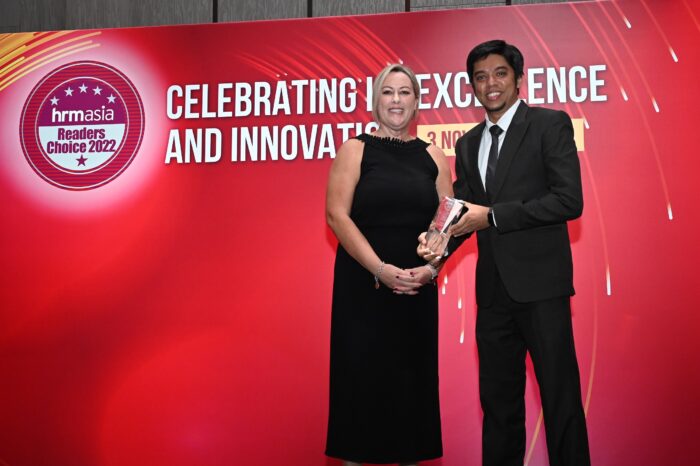
Some of Asia’s best HR and HR tech solution providers were recognised at the in-person HRM Asia Readers’ Choice Awards 2022.
Exploring flexible employment for retired workers in Singapore

To enable more older adults to continue to contribute to the economy, a mindset shift for employers is needed.
South Korea told that labour laws need to improve

South Korea’s employment and workplace practices need to be more flexible and in line with global standards, said the Federation of Korean Industries.
Mask wearing at workplaces in the Philippines optional
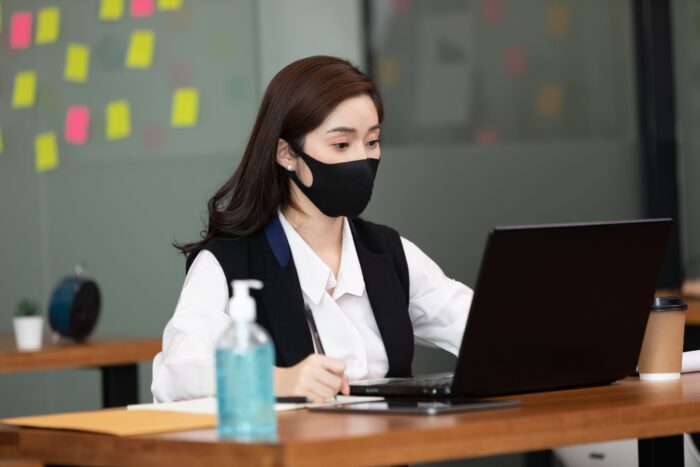
Employers and their workers get to decide whether to continue wearing masks at work after President Ferdinand Marcos Jr scrapped the mask mandate.
Japan’s top business lobby urges firms to raise wages

It identified young employees, workers with children, and non-permanent employees as those who are most vulnerable to inflation.
HR leaders expect to continue remote work in 2023

Nearly one in four HR leaders expect to maintain a 90-100% remote workforce, while half expect to maintain a remote workforce of 50% or more.
Unilever trials four-day workweek in Australian office
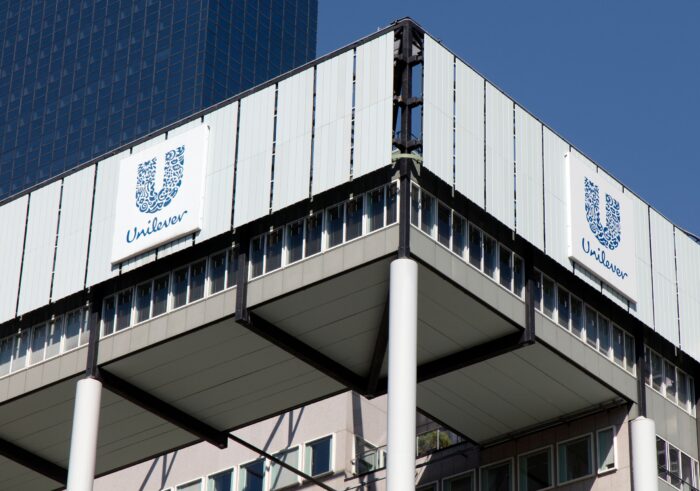
For the next 12 months, employees will have the flexibility to choose which day or set of hours is most suitable for them to take off.
Indonesia to improve quality of workforce human resources

Efforts continue to be made to improve human resources and develop vocational education to achieve inclusive and equitable development.
Employees in Singapore urged to identify career opportunities

The government plans to utilise data and artificial intelligence (AI) to generate personalised career insights for workers.
Employers in Malaysia urged to prioritise employees’ mental health

Leave should be granted to enable employees to deal with the mental stress that they feel at the workplace, says the Malaysian Trades Union Congress (MTUC).
China doles out more support for female employees

A revised law, which comes into effect January 1 next year, forbids the sexual harassment of women and reduces barriers to career advancement.
Indonesia considers minimum wage hike in 2023
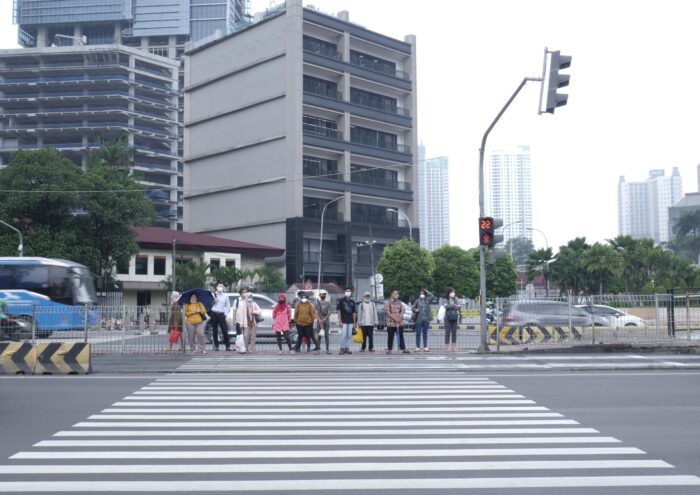
The Manpower Ministry is still finalising details on workers’ minimum wage in 2023, which will be announced at the end of November this year.
Digital transformation gains momentum in Vietnam

As of end-September 2022, about 490,000 SMEs have participated in a programme that helps accelerate their digital adoption.
Employees in the Philippines can expect year-end bonus

The Department of Labour and Employment (DOLE) is set to issue an advisory to employers regarding the grant of 13th-month pay for private sector workers.
Australia to ban wage secrecy clauses in job contracts

Such clauses have traditionally been used to stop co-workers from comparing their wage package and pushing for pay hikes.
Indonesia looks to train more tech literate workers

Indonesia would need 17 million workers who are able to use and manage technology, said State-Owned Enterprises (SOEs) Minister Erick Thohir.
South Korea’s labour market urged to adjust to employment uncertainty
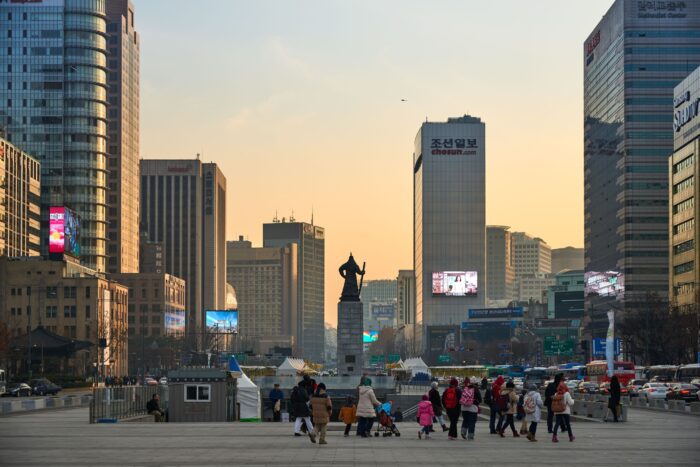
Job training and reskilling are measures that can be taken to create more employment opportunities in 2023, says business group.
Hybrid work increases productivity in New Zealand

About 83.2% of New Zealand employees say the ability to work from anywhere has made them happier and more productive.
ServiceNow rolls out programme focused on upskilling workers

The RiseUp with ServiceNow platform aims to train one million workers, offering over 600 free courses and 18 job-related certification paths.
Japan’s job availability improves for ninth straight month in September

This comes as employers looked to hire in preparation for a rebound in inbound tourism as the pandemic-related daily arrival cap is removed.
Total employment in Singapore expected to stagnant
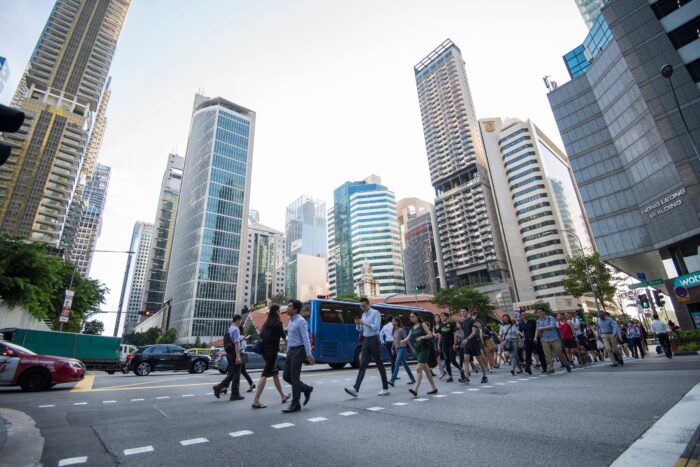
Although employment grew in Q3’2022, global conditions are likely to create an uncertain labour market in the coming months.
Australia strengthens flexible work rights with new workplace legislation

As part of the new legislation, flexible work will be made more accessible to employees who are parents or care givers, among others.
Younger employees struggling to adjust to flexible work

Besides facing burnout, some 20% of these employees have also expressed stress related to a lack of learning and development opportunities.
Singapore plans to double number of certified HR professionals by 2025

As workplace fairness guidelines become law, more HR professionals are needed, says Member of Parliament Patrick Tay.