

Majority of university seniors in Japan secure job offers

83.3% of university seniors, scheduled to graduate next March, have secured job offers as of July 1, including some who have received multiple offers.
Firms in Malaysia encouraged to hire persons with disabilities

The Ministry of Human Resources is working with several big companies to help provide employment opportunities for workers in this group.
Workplaces in Cambodia told to provide more breastfeeding facilities

The government has urged all workplaces with 100 or more women employees to install lactation rooms to support breastfeeding mothers.
India adapts rules for WFH arrangement

Workers who are covered include contractual workers, those who are travelling, temporarily incapacitated, and those who are working offsite.
Public service in Singapore embraces flexi-work

Hybrid working arrangements are becoming the norm in the public sector, which is taking the lead in the country’s endeavour to retain flexible work.
Australia urged to regulate gig platforms

About 13.8% of working age people living in Victoria have taken gig work with such platforms, and 7.4% are currently doing so.
China cracks down on discrimination against job applicants

Chinese Premier Li Keqiang has vowed to punish employers who discriminate against job seekers who have had COVID-19.
Malaysia disburses RM21 billion in wage subsidies

The government’s third tranche of wage subsidy programme has helped keep 1.53 million workers in employment.
Mature workers in Singapore receive more help in career planning

The Structured Career Planning guidebook gives employers a framework to implement a process to engage staff on career and skills development.
China’s labour market sees improvement in first half of 2022

The government has pledged continued business support and relief measures to ensure employment stays strong in the country.
Laos to raise minimum wage from August 1

The monthly minimum wage in the country will be increased to 1.2 million kip (US$78) starting on August 1.
Why companies can’t hire their way out of the tech talent crunch

Stephen Koss, EY Asia-Pacific Workforce Advisory Leader, provides tips for creating a multi-faceted approach to hiring and talent sourcing.
Calls for maternity leave to be extended in Australia

Research has shown that parental care leads to better developmental outcomes, which is key for success in school, the workplace and larger community.
China seeks better protection for gig workers
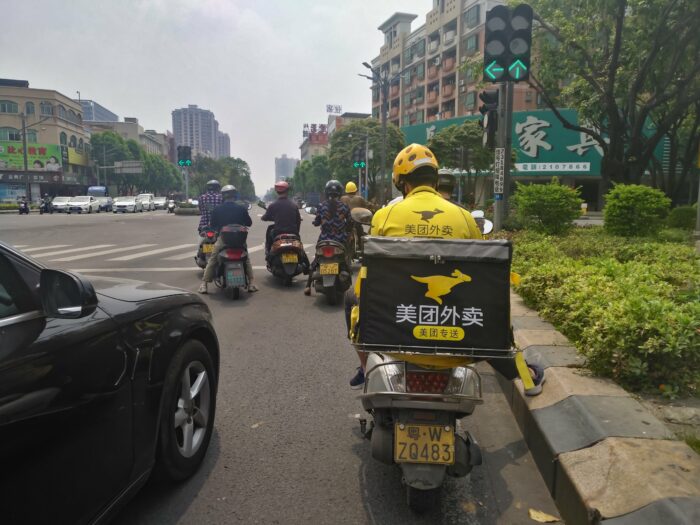
New regulations aim to serve the rights of workers, foster new skills, support startups, and ensure healthy and balanced development in the job market.
Half of Australian businesses have never hired persons with disabilities

Last year, only 53.4% (1 million) of working-aged people with disability participated in the labour force, according to a new survey.
Over 50s make up 85% of job increases in South Korea

The number of employed increased for the 16th consecutive month, with the tally for June climbing by more than 800,000 on-year.
Japan looks to close gender gap in society and workplace

According to a World Economic Forum report, Japan has the largest gender gap in East Asia and Pacific, with women unrepresented in the workforce.
Why employers should value remote work

While it may not work for everyone, organisations should not be so quick to dismiss remote work and the potential benefits it can bring.
More companies in India considering hybrid work model

With flexible work gaining momentum, about 73% of companies in India are evaluating the feasibility of hybrid working arrangements.
New Zealand firms face skilled talent shortage

Businesses are finding a significant mismatch between the skills required in the job and that of candidates, a survey has revealed.
Large enterprises in Australia to continue hybrid work

Health authorities have been calling for a return to widespread remote work because of a worsening winter COVID-19 wave.
Vietnam sees strong recovery in jobs numbers

The number of working people aged 15 and above hit 51.4 million in 1H2022, marking a 400,000 year-on-year rise.
Less Singaporeans are switching jobs mid-career

Due to a recovering labour market, the number of mid-career Singaporeans who joined programmes to switch fields plunged in 2021.
Wage code in India face delays in rollout

Under a new rule, firms are required to pay the full wages of the employee by the last working day, regardless of resignation, retrenchment, or dismissal.
Cambodian businesses urged to join pension scheme

Labour bodies have called on employers who have not been registered with the National Social Security Fund (NSSF) to do so as soon as possible.
Australia’s skill crisis regarded as top challenge

Job ads have increased for six straight months as the country continues to face a shortfall of skilled workers.
What is your employee development strategy to retain talent?

Dany Holbrook, Senior People Scientist at Culture Amp, explains how organisations can create an effective employee development strategy.
Singapore’s unemployment rate remains low
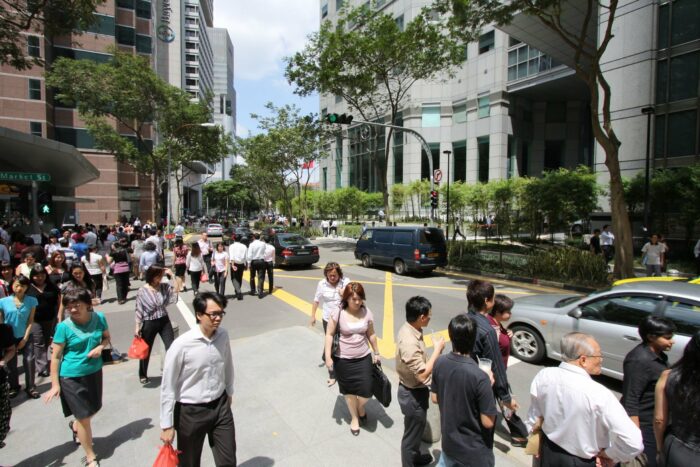
The unemployment rates in May stayed unchanged from the month before, and the likelihood of a downturn remains low.
Non-wage benefits considered in the Philippines

The Philippines’ labour department eyes private sector assistance for worker benefits to alleviate rising cost of living.
150,000 found jobs through Malaysian government initiative

Up till June 2022, more than 150,000 people have obtained employment through the Malaysian Family Job Guarantee Initiative.