

Thailand considers abolishment of daily employment
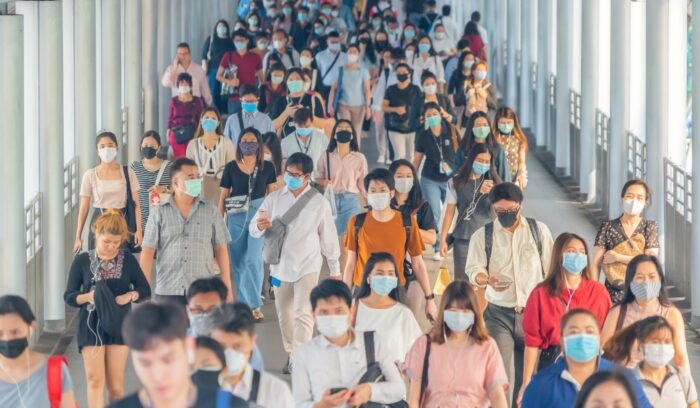
An amendment to the Labour Protection Act has been proposed to abolish temporary and daily employment and upgrading the status of workers.
Mental wellbeing a concern for young employees in Singapore

Youths in Singapore are also concerned about their employability and having the right skills to succeed in the workplace.
Redefining the role of HR leadership in reshaping work
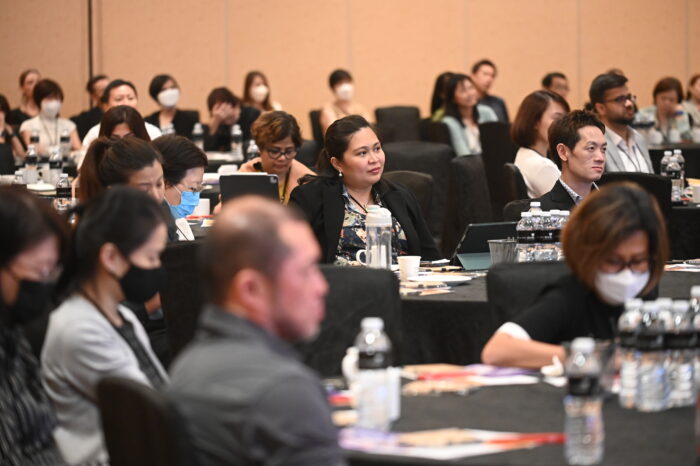
More than 170 HR and business leaders discussed topics like modern HR mindsets, flexible work and employee wellbeing at HR Leadership Series: Live.
Companies in India use promotions to retain staff

At a time of talent shortage, several companies are giving off-cycle promotions to eligible employees as they attempt to hold on to experienced staff.
Malaysia offers gig workers more protection
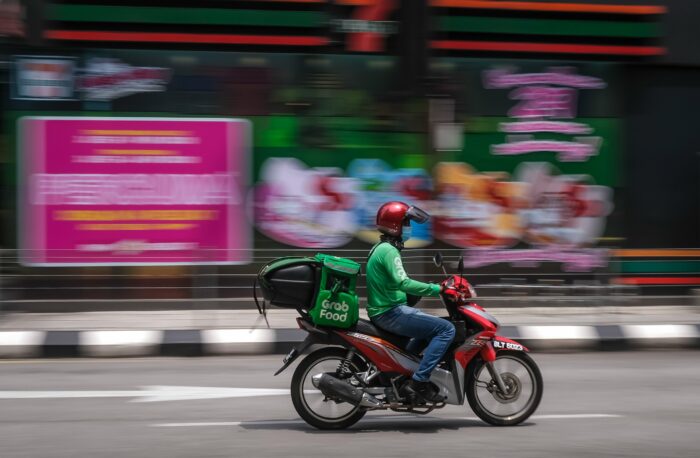
The Sharing Economy Committee (SEC) will train and verify gig workers, as well as create job placements in high-value jobs.
Taiwan officially approves minimum wage raise

Taking effect from January 1 next year, the monthly minimum wage will be raised to NT$26,400 (US$855) and the basic hourly rate to NT$176 (US$5.7).
Japan’s job mobility falls below OECD average

Due to low unemployment and a stable job market, 2.9 million employees switched jobs in 2021, 630,000 fewer than in 2019.
Asian leadership can lead organisations to greater heights
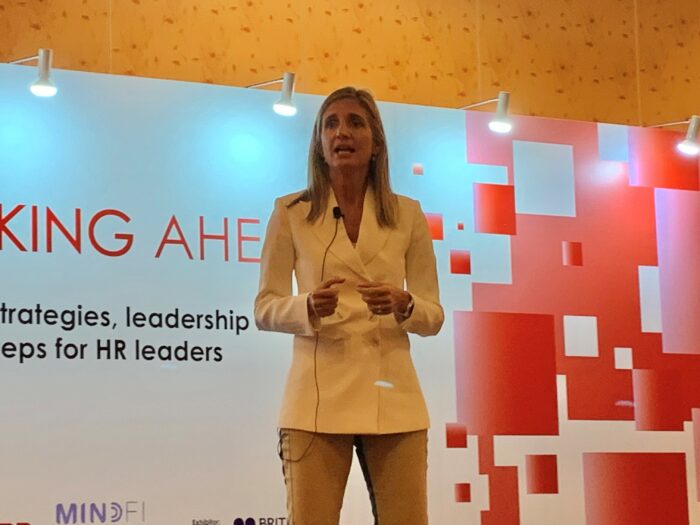
A new report by the Centre for Creative Leadership (CCL) reveals a persistent gap in Asian leadership representation on the global stage.
Building workplace resilience across the organisation

Sleep, fulfilment, bounce, relaxation, and focus are the five critical factors needed to strengthen workplace resilience.
Gender inequality still prevalent in South Korea’s workplace

The employment rate for women in South Korea was at 51.2% last year, which was 18.8 percentage points lower than the male employment rate.
Employers in India choose ‘3 days a week in office’ schedule

Hybrid working continues to be the most preferred workspace strategy in India, with 63% of the firms currently adopting this practice.
Asia Pacific nations pledge to advance women’s economic empowerment

Member economies are encouraged to foster an enabling environment that promotes inclusive development and empowerment of all women.
Establishing hybrid leadership in today’s changing world of work
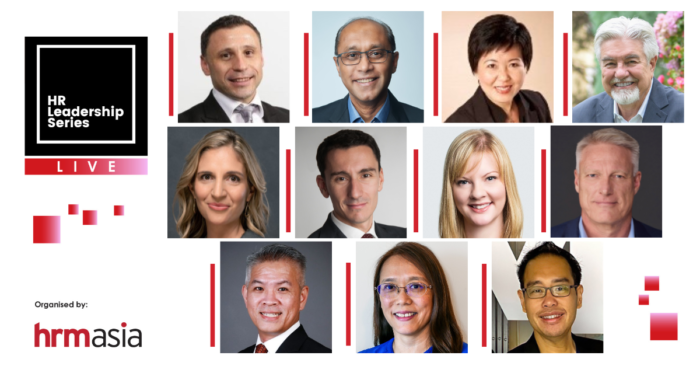
The first instalment of HR Leadership Series: Live will shed light on strategies that will shape the way organisations work in 2023 and beyond.
Employment Act implementation set for further delay in Malaysia

The Federation of Malaysian Manufacturers (FMM) is considering requesting another deferral of the implementation of the amended Employment Act.
What are the top skills employers look for?

Digital and data literacy are among the top 10 skills employees will need over the next decade, said Bernard Marr, author, keynote speaker and futurist.
Job hopping declines in Japan despite stagnant wages

Since 2021, the number of workers switching jobs dropped 310,000 to 2.9 million, marking a fall for the second consecutive year.
Some small business employees South Korea paid below minimum wage

Among small business employees, only 9.6% were paid extra for extended working hours and only 13.2% had annual leave provision.
Gen Zs in Singapore plan to relocate for work

An ADP report found over 51% of workers aged between 18–24, and 43% between the ages of 24–34, have planned or considered relocation for their jobs.
Does WFH hinder creativity and innovation?

Close physical proximity is requited to foster employee relationships that facilitate innovation, according to research from MIT.
Big businesses in South Korea hold off hiring plans

Six out of 10 big businesses in South Korea either have no hiring plans or have yet to finalise them for the rest of 2022.
Boosting youth employment with higher wages in the Philippines

The government has been urged to create better paying jobs for employees aged 15 to 30, who earn the lowest wages in the country.
Malaysia’s Gen Z workforce seeks more than renumeration

As the youngest generation to enter the workforce, Gen Z employees are looking beyond monetary fulfilment at work.
Majority of Singaporeans seek upskilling in jobs

Understanding their future job prospects is similarly important among employees, a Randstad survey revealed.
10-day paid bereavement leave proposed in the Philippines

Workers in both private and public sectors may soon be granted a 10-day bereavement leave with full pay if a proposed bill becomes law.
Some workers in South Korea fear going on parental leave

Men were found to be more sensitive than women to negative perceptions toward using parental leave, according to a new survey.
Employee sentiment towards workplace learning falls in Singapore

Workplace learning has dipped despite employees recognising the importance of Learning & Development (L&D).
Indian firms want staff back in office despite PM Modi’s support for WFH

Employers believe that face-to-face interactions are key to forging bonds between colleagues in the workplace.
Indonesia’s wage subsidy support to reach 16 million workers

The Ministry of Manpower is making efforts to ensure that the wage subsidy assistance (BSU) can start to be distributed this month.
Amazon’s WFH strategy lets employees stay performance-focused

Amazon’s three-pronged work-from-home strategy places emphasis on how employees work rather than where they are working from.
Low-wage workers in Singapore to earn more
Before hiring any foreign worker, local employers will need to meet the requirement of paying all their local workers at least S$1,400.