
Labour shortage impacts more than half of companies in Japan
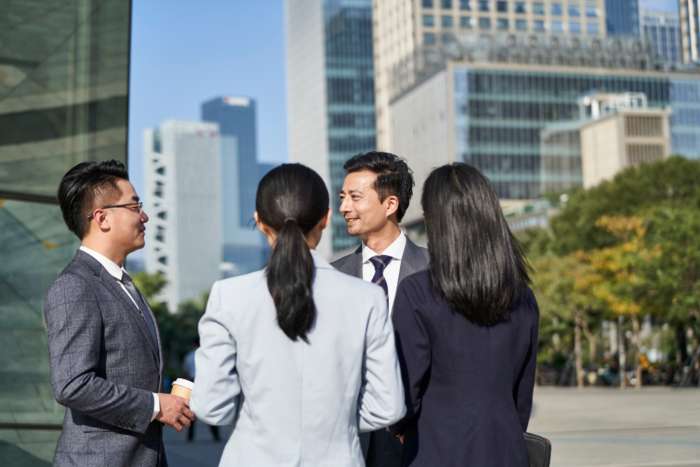
The ageing population, coupled with the recovery of the economy, has caused more than half of 11,000 firms in Japan to experience a labour crunch.
New Zealand places 20,000 people into jobs through national programme

As the country embarks on its economic recovery, the Flexi-Wage programme has helped address skills gaps and meet workforce shortages.
Digital transformation to impact Vietnam’s employment structure

Adapting business models to a digitally transformed society is imperative for organisations, especially in the employment and labour sectors.
Job security outweighs salary for employees in Singapore

Employees in Singapore prioritise stability and job security over salary, while good leadership is key to retain talent and maintaining employee wellbeing.
Employees in Malaysia can expect to earn more in 2023

Malaysia is also predicted to post a higher than average median salary increment across Asia-Pacific in 2023.
Twitter reverses work-from-anywhere arrangement

Having previously advocated permanent remote work, Twitter is now requiring employees to work a minimum of 40 hours per week in the office.
Employees seek more flexibility in work and careers

While compensation is still important for employees, work flexibility and career development opportunities are increasingly being prioritised.
Leadership key to enabling workers’ wellbeing through flexible work

Once enacted, flexible work policies and practices require appropriate planning and investment to enable their benefits to be realised.
Malaysia to set up national mental health care centre

One of the key objectives of the centre is to help manage and address the mental health issues employees in the country are facing.
Minimum wage could be raised again in the Philippines

Wage adjustments are typically made once a year, but wage boards are considering another hike after its recent wage adjustment amid soaring prices.
Japan seeks more diversity in employment opportunities

The Japan Business Federation (Keidanren) is looking to end the negative image of mid-career hires by rephrasing commonly used employment terms.
Business in South Korea told to address workplace gender equality

South Korea has the smallest share of parents who go on leave for their children among developed nations, even as the country’s workforce continues to shrink.
Employees in India favour hybrid work model

Employees believe that a hybrid work model helps improves their productivity and gives them much-needed work-life balance.
10-day service incentive leave to be implemented in the Philippines

This will not apply to employees who are already enjoying such benefits and those who are employed in organisations with fewer than 10 employees.
Experienced employees key part of workforce strategy in Hong Kong

About 44% of employers see an increased need to retain older employees in the workforce and expect this to be a key trend over the next five years.
A new workplace approach key for HR leaders to succeed in 2023

As HR leaders begin to define their strategies for 2023, those
in the Asia-Pacific region see manager effectiveness as a top priority for 2023.
Older employees more likely to neglect work-life balance

Compared to their younger counterparts, employees aged 50 and above are more likely to put in extra effort at work beyond regular hours.
South Korean lobby groups call for corporate tax to be reduced

A corporate tax reduction will improve cash flow that can then be directed to employment and investments, say the lobby groups.
Companies in Japan offer extra pay to help workers deal with inflation

Some companies are providing “inflation allowances” to help employees cope with rising consumer prices as labour officials call for more permanent support.
Childcare the largest barrier to female workforce participation in Australia

Employers can offer the flexibility to work part-time hours as a means to increase female workforce participation.
Wear mask at work, employees in the Philippines told

Although it is not mandatory to mask up at workplaces, employees have been encouraged to continue the practice.
More employment opportunities for workers with disabilities in Singapore

Interest in companies to hire workers with disabilities has risen by 30% since this August, driven largely by the service sectors.
Salary hike expected for employees in Thailand

A projected salary increase of 4.5% across all industries can be expected for the next two years as companies offer higher wages to attract talent.
Equipping workers with in-demand skills a priority for Singapore

This comes as the world is facing uncertainties, from geopolitical tensions to inflationary pressures, which affects the employment market.
Employees in Malaysia unwilling to take pay cut for remote work

Employers are also urged to set clearer policies on flexible work to develop more comprehensive workforce strategies.
Work from home could cost more for Australian workers

If approved and implemented, new tax rules will potentially see lower tax reductions for employees working from home.
HRM Asia congratulates Reader’s Choice Awards 2022 winners
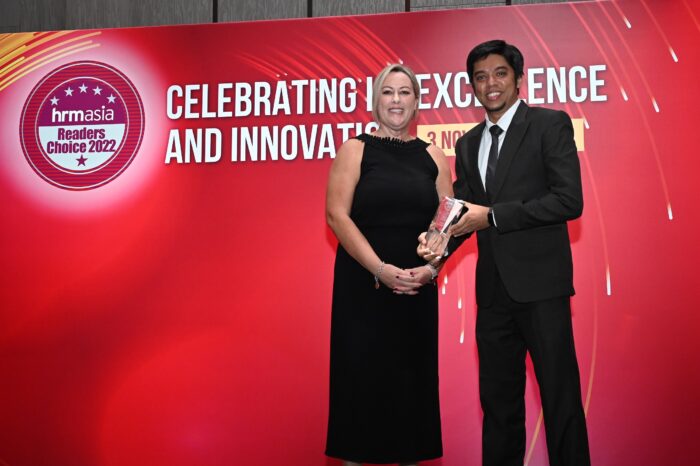
Some of Asia’s best HR and HR tech solution providers were recognised at the in-person HRM Asia Readers’ Choice Awards 2022.
Exploring flexible employment for retired workers in Singapore

To enable more older adults to continue to contribute to the economy, a mindset shift for employers is needed.
South Korea told that labour laws need to improve

South Korea’s employment and workplace practices need to be more flexible and in line with global standards, said the Federation of Korean Industries.
Mask wearing at workplaces in the Philippines optional
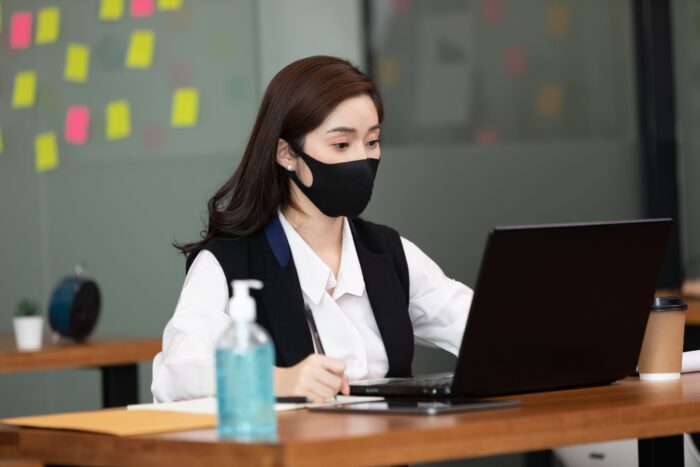
Employers and their workers get to decide whether to continue wearing masks at work after President Ferdinand Marcos Jr scrapped the mask mandate.